
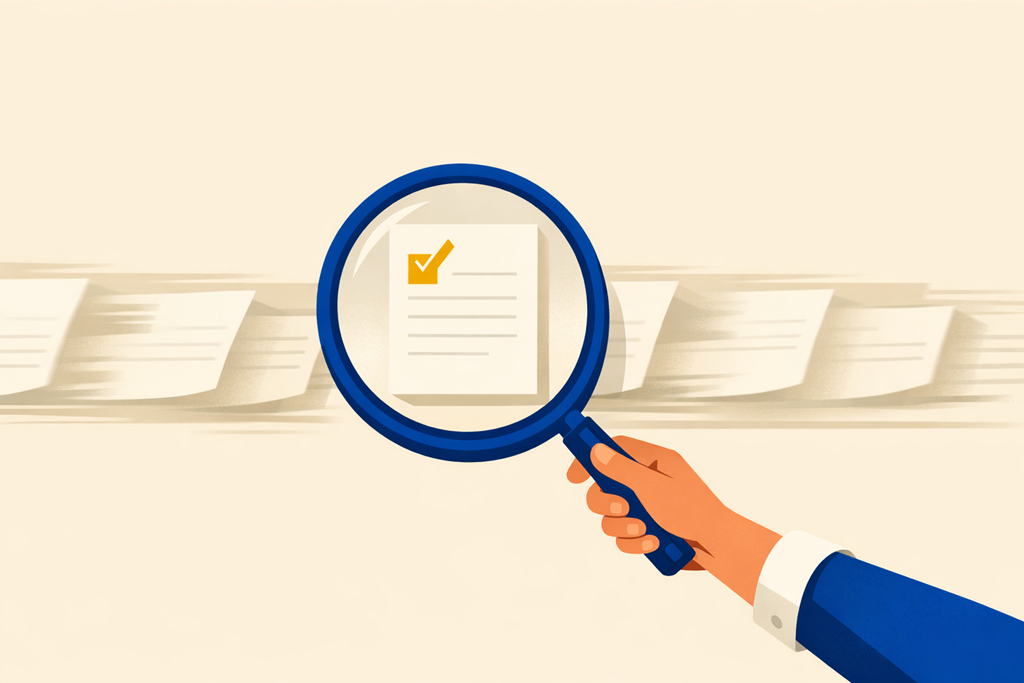
A few weeks ago I watched someone forward a Copilot-drafted email to a client without really reading it. The tone was off. A figure was wrong. The client picked it up before they did. Nobody was being lazy — they were being efficient, in the exact way we’ve all been trained to be efficient. Get the task done. Move to the next one. That small moment has stuck with me, because I think it points at something much bigger that’s quietly reshaping how small businesses need to think about the people they hire, and the behaviours they reward.
For most of my working life, businesses hired people to do things. Send the email. Build the report. Process the invoice. Update the spreadsheet. Speed and responsiveness were the metrics that mattered most. If you could turn incoming requests into completed work quickly and reliably, you were valuable. That model held up because doing the thing was the hard part, and doing it well took real skill, attention and time.
The work that used to be hard isn’t hard anymore
Copilot has quietly upended a lot of that. Drop into Outlook and you can have a draft reply in seconds. Open Word with a half-formed idea and Copilot will hand you a structured first pass before your coffee has cooled. Excel will summarise a sheet, flag the anomalies, and suggest a formula it thinks you wanted. Teams will catch you up on the meeting you missed and tell you what was decided and who owns what. Every one of those tasks used to be where someone earned their keep. Now they’re table stakes.
What’s left isn’t the doing. It’s the deciding. Was that actually the right answer? Does the draft fit the specific client we’re dealing with, or the average client Copilot has imagined? Is the figure it pulled from SharePoint the current number, or one from two restructures ago that nobody got around to archiving? Should we even send this email, or is there a phone call hiding behind it?
We’ve been training people out of asking
Here’s the part I find uncomfortable. A lot of small businesses have spent years quietly training their people out of pausing. We rewarded responsiveness over reflection. Inbox zero over inbox thoughtful. Closing tickets over questioning whether the ticket made sense in the first place. Over time, some genuinely good people got very fast at moving work between systems without really engaging with any of it.
That worked when the slow, expensive part of the job was producing the output. It doesn’t work now. The slow part is the human bit — the read, the sense-check, the quiet moment of “this doesn’t sit right with me” that keeps a business out of trouble with a client, a regulator, or its own future self.
The maths has flipped
When output was expensive, mistakes were rare almost by accident. There was friction in the system, and friction gave people time to second-guess themselves. A bad proposal took half a day to write, so it usually got read twice before it left the building. A bad proposal now takes ninety seconds, and so do the next ten after it.
The businesses that come out of this next stretch in good shape won’t be the ones with the fastest Copilot adopters. They’ll be the ones that have quietly shifted what they recognise and reward — from doing the thing, to noticing when the thing isn’t right. That’s a hiring conversation, a performance review conversation, and most of all a culture conversation. And in most of the small businesses I see day to day, it’s well overdue.
 CIAOPS