Your Conditional Access Is Stuck in 2018

image

You get a phone call from a client one Sunday morning in February. One of their bookkeepers had clicked an invoice link the previous Friday afternoon, signed in like normal, and gone home for the weekend. By Monday, the attacker had set up an inbox rule, watched a fortnight of email traffic, and sent a payment-redirect note to a supplier — from the bookkeeper’s actual mailbox. Eighty thousand dollars walked out the door before anyone noticed the wire details had quietly changed.

The tenant had MFA enforced. It had a Conditional Access policy. It had cyber insurance, renewed in January on the strength of those two things. None of that mattered.

The attack moved. The configuration didn’t.

Adversary-in-the-middle phishing kits don’t try to beat the MFA prompt anymore. They wait for the user to complete it, then steal the session token and replay it from somewhere else. Microsoft’s threat intel team disclosed an April campaign that hit thirty-five thousand users across thirteen thousand organisations in twenty-six countries — a single month, a single operator. Every one of those users had MFA. None of them had session controls tuned to actually defend the session.

This is the bit MSPs need to sit with. Conditional Access in Entra was never built as an MFA tickbox. It is the session control surface — the place where you decide what a signed-in user can do, from where, on what device, for how long. The grant and session controls in that same blade — the ones most SMB tenants have never opened — are what break this attack. We have spent five years building a defence for 2018 and leaving it deployed in 2026.

Four switches, all in the same blade

There are four controls inside Conditional Access that meaningfully change the outcome of a token theft, and most Business Premium tenants pay for all of them and use none.

  • Sign-In Frequency, set deliberately rather than left at its sliding ninety-day default, collapses the lifetime of a stolen token. Most tenants I look at have it set backwards — managed users get prompted constantly while unmanaged sessions ride for weeks.
  • Require-compliant-device on Exchange Online forces the attacker’s browser session to fail at the grant, not the prompt.
  • Phishing-resistant authentication strength — passkeys, FIDO2, Windows Hello — closes off the credential path to begin with.
  • Token Protection, even in report-only on Windows native apps, gives you the telemetry to spot a session being replayed from a country your user has never visited.

None of this is theoretical. Microsoft auto-rolled Conditional Access into more than half a million tenants in late 2023 specifically because tenants were not configuring it themselves. That auto-rollout sets the floor. The four controls above sit above the floor, and they are the ones that change the renewal conversation with your insurer.

The unit economics finally work

The honest reason most MSPs haven’t retuned their CA baseline is that per-tenant identity work used to be uneconomic. That changed. With GDAP and Microsoft Lighthouse, an MSP can review CA policy, push report-only changes, and watch sign-in telemetry across every client tenant from one pane. Pair that with a Loop page or a Teams channel for your security pod and the review cadence stops being a heroics exercise.

The bookkeeper followed her training to the letter. What let her down was a tenant configured for the threat landscape we had four years ago. When the next breach lands in one of your tenants, it will not be the MFA prompt that failed. It will be the session controls nobody touched. That is where the work is now.


Windows Hello for Business: Pick Cloud Kerberos Trust and Move On

image

Every few weeks I get a question from an MSP engineer that starts with some version of “we’re about to roll out Windows Hello for Business — key trust or cloud trust?” My answer has been the same for a couple of years now, but the question keeps coming because the documentation is sprawling and the old hybrid PKI diagrams still haunt everyone who deployed WHfB before 2022. If you have a hybrid Active Directory and a Business Premium tenant, you should be on cloud Kerberos trust. Full stop. Everything else is legacy baggage.

The prerequisites people still miss

Microsoft’s own planning guide is the source of truth, but two prereqs catch MSPs out every time.

First, domain controllers. Cloud Kerberos trust needs Windows Server 2016 or later DCs, fully patched, and you need enough read-write DCs in every AD site where users will authenticate. If your branch office has one creaky 2012 R2 box left, the sign-in will fail in ways that look like network issues and waste a day of your life.

Second, Microsoft Entra Kerberos has to be explicitly enabled against the on-prem domain. It’s not on by default. Skip it and users will provision a PIN happily, then fail to reach on-prem file shares the first time they try. The cloud Kerberos trust deployment guide walks through enabling it.

Where to configure it

For greenfield Autopilot tenants, the fastest path is the Intune tenant-wide enrolment policy at Intune admin center → Devices → Enrolment → Windows → Windows Hello for Business. Set it to Enabled and configure the defaults there. That covers OOBE.

For everything else, build an explicit Account Protection policy at Intune admin center → Endpoint security → Account protection → Create Policy → Windows → Account protection → Windows Hello for Business. This is the one you target at device groups for staged rollout. Microsoft’s tenant-wide policy guide explains the precedence rules; read it before you layer policies.

A rollout pattern that survives contact with users

I run three rings and I don’t apologise for how boring it looks.

Ring 1: five to ten IT-adjacent devices for two weeks. You’re looking for PIN provisioning completion and on-prem resource access — not for smiles.

Ring 2: one full business unit, minimum fifty devices, two to three weeks. This is where you catch VPN quirks, smartcard reader conflicts, and the one shared PC nobody told you about.

Ring 3: the rest of the fleet, staged over a fortnight by device group, not by user.

Stage by device, not by user, because Windows Hello is a per-device-per-user credential. Chasing user groups creates a weird matrix where someone’s laptop prompts for a PIN but their desktop doesn’t, and the helpdesk gets blamed for inconsistency.

The pitfalls that burn you

Rolling back is worse than rolling forward. Disabling the policy doesn’t remove provisioned PINs; it just stops new ones. Plan the forward path before you enable it.

Don’t mix trust types. If you have leftover key trust policy from an old deployment, retire it before enabling cloud Kerberos trust on the same fleet. The hybrid key trust guide is still published, and Microsoft explicitly recommends against key trust for new deployments — pay attention to that.

Shared and kiosk devices need explicit exclusions. WHfB binds a credential to a user-device pair, which is exactly wrong for a front-desk PC logged in as five different people a day. Use Intune filters to carve those devices out of the policy.

Get the prerequisites right, pick cloud Kerberos trust, ring it, and Windows Hello becomes the quietest part of your security stack. Which is what you want.

Intune Filters vs Assignment Groups: Stop Treating Them as Interchangeable

image

If your Intune estate has grown past a couple of hundred devices, you’ve probably built a forest of dynamic groups that only you understand. You don’t need another group. You need a filter. Here’s where each one earns its keep, and where MSPs keep getting the split wrong.

The mental model

Groups answer who the policy targets. Filters answer which subset of that assignment it actually applies to at evaluation time. A group is resolved at assignment and refreshed on Entra’s schedule. A filter is evaluated per device, per policy, at the point of applicability. That timing difference is the entire reason filters exist — and the reason swapping one for the other silently changes behaviour.

Use groups for ownership of the assignment (department, site, client tenant, pilot ring). Use filters for device traits that change underneath you: OS version, model, enrollment profile, personal vs corporate, join type.

Prerequisites people miss

  • Filters only work on managed devices and managed apps — the supported workload matrix matters. Not every policy type honours filters, and app assignment filters for MAM are a different object from device assignment filters. Check the reference before assuming your policy can be filtered.

  • Dynamic device groups require at least one Entra ID P1 licence in the tenant. Business Premium covers you, but confirm before promising dynamic membership to an M365 Standard client.

  • The “All users” and “All devices” virtual groups bypass normal targeting logic. If a client’s environment feels “haunted”, check whether a legacy assignment is hitting All devices with no filter.

Where to configure

In the Intune admin center, filters live under Tenant administration → Filters. Build the rule, pick the platform, and save — the filter itself has no targets. You apply it at assignment time on any supported policy (Devices → Configuration → your profile → Assignments → Edit filter).

Groups are managed in the same console under Groups, but remember these are Entra ID security groups — any change you make is tenant-wide, not Intune-only.

The rollout pattern that actually works

  1. Ring by group, scope by filter. Three device groups (Pilot, Early, Broad) assigned by user or device attribute. Apply the same policy to all three with different filters (e.g. deviceOwnership -eq "Corporate" plus osVersion -startsWith "10.0.22").

  2. Exclude filters beat exclusion groups. If you’re excluding kiosks from a CA-backed compliance policy, a filter keyed on enrollmentProfileName is faster to audit than a stale exclusion group nobody refreshes.

  3. Name everything for future-you. FLT-Win11-Corp-NotKiosk beats Filter1. Same for groups: prefix by purpose (INT- for Intune-only, SEC- for CA), include platform, include intent.

  4. Test in report-only. Every new filter goes onto one profile assigned to a lab group first. Confirm the Assignment status report matches expectation before widening.

The pitfalls that will bite you

  • Filter evaluation is not group membership. A filter excluding “personal” devices won’t retroactively remove a policy from a device that was previously “corporate” until the device checks in and the assignment re-evaluates. Plan for the delay during ownership changes.

  • Negation logic is deceptively literal. -notEquals treats a null property as “not equal”, so filters on sparsely populated properties (custom enrollment profile names, model on older hardware) can match devices you didn’t intend. Test with -eq plus include/exclude to lock it down.

  • Overlapping filters on the same assignment don’t AND. If you add a filter and also use include/exclude groups, precedence rules apply — exclude always wins, then filters, then includes. Map this out before complaining about “Intune not applying my policy.”

References

Revisiting Copilot image generation analysis

A while back I shared the results of an identical image prompt in a number of AI tools. That article is here:

https://blog.ciaops.com/2026/03/07/image-generation-analysis/

Now that Copilot has access to OpenAI Image 2 model I thought I’d re-run and share the results.

This is the result from the previous test with Copilot chat:

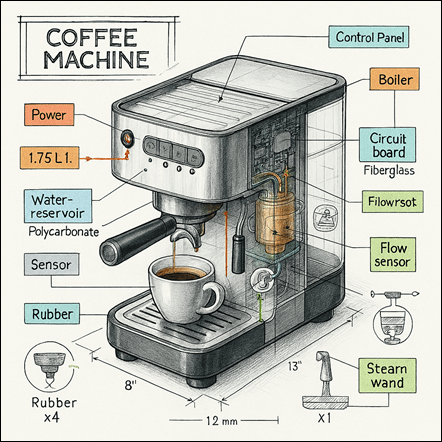
image

This is the updated response using the identical prompt as before with Copilot Chat again:

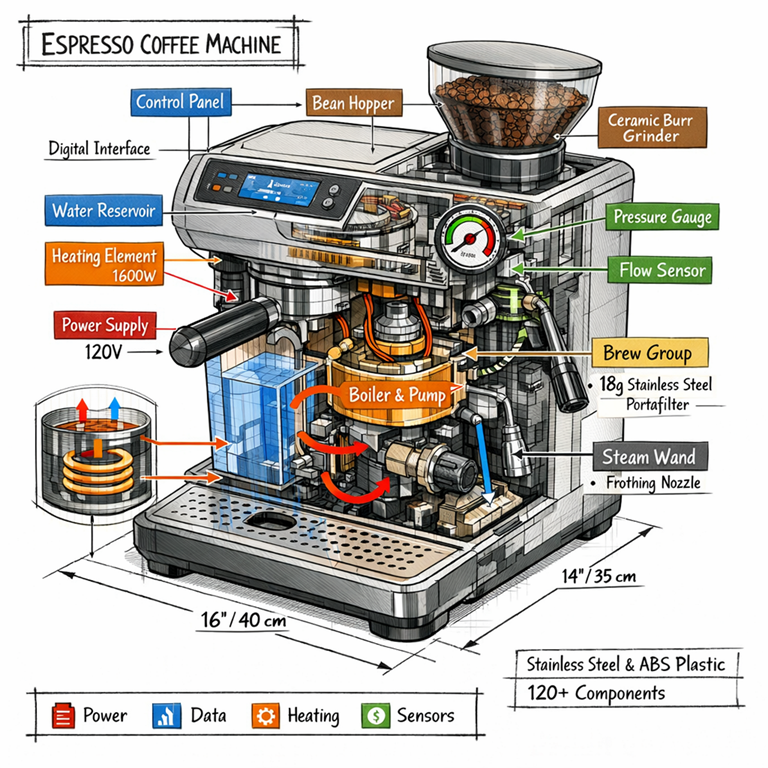
image

This is the same prompt with Copilot Chat again BUT with ‘Create a detailed infographic using the new openAI image 2 model’ added at the beginning of the prompt:

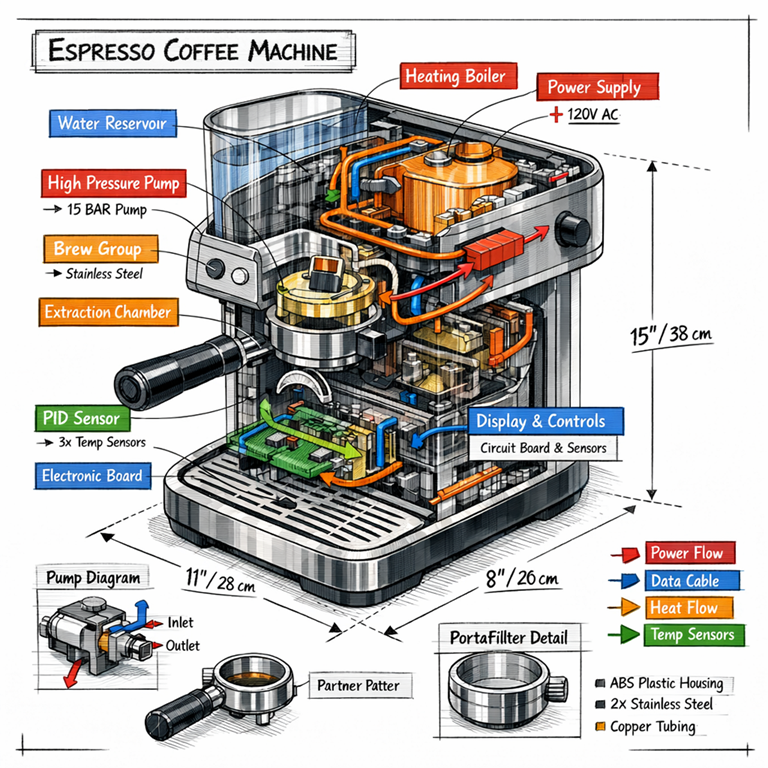
image

This is the original prompt but used in the dedicated ‘Create Image’ part of Copilot:

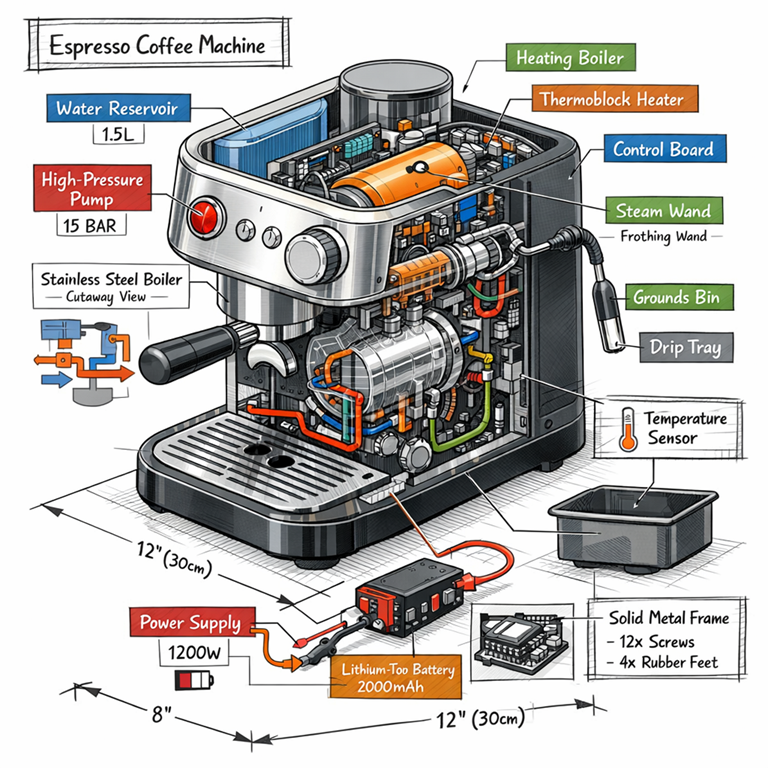
 image

Still not perfect if you examine each closely but a significant improvement from the last round.

BitLocker Silent Enablement via Intune: The Deployment Pattern That Actually Sticks

image

Every MSP ends up doing BitLocker. Very few do it silently on the first attempt. Between TPM quirks, third-party encryption leftovers, and the three different Intune policy surfaces that all claim to configure BitLocker, the difference between “encrypted fleet with recoverable keys” and “2am call from a locked-out CEO” is a handful of settings. Here’s the pattern to deploy in production under Microsoft 365 Business Premium.

Prerequisites people skip

Silent means standard user, no prompts, no elevation — which is a higher bar than “BitLocker on.”

  • TPM 2.0, ready state, UEFI, Secure Boot on. If the TPM reports “not ready” or is owned by a prior OEM image, silent encryption aborts. Check with Get-Tpm before blaming policy.

  • Entra joined or Hybrid joined. Workgroup and AD-only devices have no key escrow target and will not silently encrypt.

  • No third-party encryption agent. McAfee DE, Sophos SafeGuard, legacy Dell Data Protection — all block BitLocker takeover until fully decrypted and uninstalled.

  • No startup PIN or startup key requirement. Silent mode and pre-boot authentication are mutually exclusive. Pick one.

  • WinRE present and healthy. BitLocker uses it for recovery.

If any of those are wrong, don’t touch policy yet. Fix the device first.

Where to configure it

Ignore the Settings Catalog for this one. Microsoft is explicit that the Settings Catalog does not expose the TPM startup authentication controls silent enablement depends on (docs).

Use the Endpoint security path:

Intune admin center → Endpoint security → Disk encryption → Create Policy → Platform: Windows → Profile: BitLocker.

The settings that actually matter for silent:

  • Enable full disk encryption for OS and fixed data drives: Yes
  • Hide prompt about third-party encryption: Yes
  • Allow standard users to enable encryption during Autopilot: Yes
  • Require device to back up recovery information to Azure AD: Yes (gates encryption on successful escrow — this is the setting that saves you)

  • Recovery password rotation: Enable on Entra and Hybrid-joined devices
  • OS and fixed drive: XTS-AES 256, TPM-only protector, no PIN

Full setting reference: Disk encryption profile settings.

The rollout pattern

Do not target All Devices. Ever.

  1. Pilot ring (5–10 devices): your own, one per client hardware family. Watch the Endpoint security → Disk encryption report for “Encrypted” status and a recovery key present in Entra. If the key isn’t there, the device isn’t safe, regardless of what Windows says.

  2. Early ring (10–20% by dynamic group): let this soak for a week. Check the encryption report daily. Anything stuck in “Waiting for response” usually means TPM readiness or a WinRE issue — remediate per device, don’t loosen policy.

  3. Broad rollout: remaining corporate devices via a dynamic group filtered on deviceOwnership eq "Company". Never include BYO.

  4. New builds: bake the policy into Autopilot so encryption completes during ESP. Standard-user silent enablement only works if “Allow standard users to enable encryption during Autopilot” is Yes — double-check before you cut a new image.

The help desk also needs the recovery-key retrieval flow documented before you go broad, not after the first lockout.

The pitfalls that bite

  • Silent and startup PIN are incompatible. If compliance demands pre-boot auth, you’re running standard BitLocker, not silent. Decide once.

  • Recovery key escrow failures hide in plain sight. Without “Require device to back up recovery information to Azure AD = Yes”, devices encrypt, keys never land in Entra, and you discover it the day a laptop gets stolen. Audit the encryption report monthly — the ground truth is “Recovery key: Yes/No” per device, not policy compliance.

  • Don’t mix endpoint protection + disk encryption profiles targeting the same devices. Conflicts resolve unpredictably. Pick the Disk encryption profile and delete the legacy Endpoint protection one (policy comparison).

Get those three right and BitLocker becomes a checkbox — exactly what your clients are paying for.

CIAOPS Need to Know Microsoft 365 Webinar – May

laptop-eyes-technology-computer_thumb

Now in our tenth year!

Join me for the free monthly CIAOPS Need to Know webinar. Along with all the Microsoft Cloud news we’ll be taking a look at Copilot Cowork.

Shortly after registering you should receive an automated email from Microsoft Teams confirming your registration, including all the event details as well as a calendar invite.

You can register for the regular monthly webinar here:

May Registrations

(If you are having issues with the above link copy and paste – https://bit.ly/n2k2605 )

The details are:

CIAOPS Need to Know Webinar – May 2026
Friday 29th of May 2026
11.00am – 12.00am Sydney Time

All sessions are recorded and posted to the CIAOPS Youtube channel.

Also feel free at any stage to email me directly via director@ciaops.com with your webinar topic suggestions.

I’d also appreciate you sharing information about this webinar with anyone you feel may benefit from the session and I look forward to seeing you there.

CIAOPS AI Dojo 012

image

What’s the session about?

This month we will be focusing on new Copilot features and updates as well as optimising AI for Small Business.

Who should attend?

This session is perfect for:

  • IT administrators and support staff
  • Business owners
  • People looking to get more done with Microsoft 365
  • Anyone looking to automate their daily grind

Save the Date

Date: Friday the 29th of May 2026

Time: 9:30 AM Sydney AU time

Location: Online (link will be provided upon registration)

Cost: $80 per attendee (free for Dojo subscribers)

Register Now

DSPM: The End of Guessing About Your Sensitive Data

image

Most Microsoft 365 tenants I walk into are flying blind on data.

The sensitivity labels exist. A couple of DLP policies exist. Someone once turned on Insider Risk Management because a consultant said so. And then nothing. Nobody knows what’s working, what’s exposed, or which sensitive files are sitting wide open in a SharePoint site shared with half the planet.

That’s not a security posture. That’s a guess.

The tool that finally ends the guessing is Microsoft Purview Data Security Posture Management. If you’ve got E5 or the Purview Suite and you’re not showing this to your clients, you’re leaving value on the table.

What is DSPM, really?

DSPM is the dashboard that tells you, in plain English, where your sensitive data is sitting unprotected and which users are handling it carelessly. It pulls signals from the tools you already pay for — DLP, Information Protection, Insider Risk Management, Adaptive Protection — and stitches them into one view.

The clever bit is the correlation. Before DSPM, you’d open five different blades, cross-reference three different reports, and still miss half of it. Now the findings and recommendations land on one page, with a one-click path to spin up the matching policy.

That’s not a report. That’s a to-do list with context.

Step-by-Step: turning DSPM on

Portal only. Stay in the GUI — easier for you, easier to hand off to the next admin.

Open the Purview portal

Sign in to the Microsoft Purview portal as a member of the Data Security Management role group, an Insider Risk Admin, or a Compliance Administrator. Global Admin works too, but please don’t use it if you can help it.

Open the DSPM solution

From the home page, go to SolutionsData Security Posture ManagementOverview.

Turn on analytics

On the Overview page, click Turn on analytics. That one switch also enables DLP analytics and Insider Risk analytics behind the scenes if they aren’t already on. One click, three switches. The full checklist is in the Get started with DSPM article.

Wait

Yes, really. The automated scan across your tenant can take up to three days on anything larger than a handful of users. Walk away. Brew a coffee. Come back on Thursday.

Review the recommendations

Back on the DSPM dashboard, open Recommendations. Each one tells you what was found, why it matters, and offers a one-click path to create the DLP or Insider Risk policy that fixes it. You don’t start from a blank policy screen anymore — you start from your tenant’s real gaps.

Track trends over time

Use the Analytics and Reports tabs in client reviews. A trend line of risky activity going down beats any invoice justification I’ve ever tried to write.

Why this actually changes behaviour

“Are we protected?”

That’s the question every SMB owner asks. Most of us have been answering with vibes. Good vibes, educated vibes, but vibes.

DSPM changes the answer. You can point at a number. You can point at a recommendation you actioned last month and the unprotected file count that dropped because of it. You can show, not tell.

For MSPs, that’s a QBR slide that sells itself. For internal IT, it’s the evidence you need when the CFO asks what the Microsoft Purview licence is actually doing for the business.

And if Copilot is already in the tenant — which, let’s be honest, it increasingly is — then DSPM for AI is your next stop. Same lens, pointed at what people are pasting into Copilot prompts and what’s flowing back out.

Copilot doesn’t slow down. Neither does your data sprawl. Use something that keeps up.

DSPM isn’t there to create more work. It’s there to stop the guessing.