
Introduction
Small and medium-sized businesses (SMBs) often operate with limited resources and staff, yet juggle numerous routine tasks daily. Automation has become crucial for SMBs to boost efficiency and remain competitive, with 88% of small business owners saying automation enables them to compete with larger companies[1][1]. Microsoft’s Copilot Studio is a platform that allows SMBs to harness AI-driven automation through custom “Copilot” agents, making it easier to offload repetitive work. It provides a user-friendly, low-code environment where even non-technical teams can build AI agents to handle common tasks[2][2]. By leveraging Copilot Studio, SMBs can automate routine processes, streamline workflows, and focus more on strategic growth[2][2]. This report explores common SMB tasks suitable for automation, how Copilot Studio can automate them with specific examples, and the benefits, challenges, and best practices involved.
Common Tasks in SMBs and Their Automation Potential
SMBs span many industries, but they share a host of common repetitive tasks that are ideal for automation. Below are several routine business activities frequently encountered in SMB operations, along with why they are suitable for automation:
-
Scheduling and Calendar Management: Setting up meetings, managing appointments, and sending reminders are daily chores. Automating calendar and appointment scheduling ensures timely reminders and avoids double-booking, freeing up employees’ time for more critical work[1][1]. For instance, using automation, a salon can automatically confirm appointments and send reminder texts to clients, reducing no-shows.
-
Email Management and Reporting: SMB owners and employees handle numerous emails and reports. Tasks like filtering important emails, generating weekly status reports, or sending routine updates can be automated. This ensures consistency and timeliness – e.g., automatically compiling sales data into a weekly emailed report – and reduces repetitive copy-paste work[2][2].
-
Customer Relationship Management (CRM) Updates: Keeping track of customer inquiries, updating contact records, and following up on leads are critical but tedious. By automating CRM data entry and follow-ups, businesses can respond faster to customer needs. Automated lead qualification and follow-up reminders in a CRM system ensure no prospective customer falls through the cracks[3]. This improves sales processes without requiring constant manual tracking.
-
Invoicing and Finance Tasks: Generating invoices, processing payments, and updating bookkeeping records are repetitive tasks common to all SMBs. Automation can create and send invoices when a job is marked complete or send payment reminders without human intervention. This not only reduces manual workload in accounting but also minimizes human error in financial records[3].
-
Inventory and Order Management: SMB retailers and e-commerce shops must track stock levels and process orders. Automating inventory alerts and order fulfillment updates ensures efficient operations. For example, a system that automatically updates inventory counts and reorders products when stock is low can prevent shortages. AI-powered demand forecasting can even predict stock needs, helping small retailers avoid overstocking or running out of popular items[3].
-
Social Media and Marketing Tasks: Posting regularly on social media, sending newsletters, or running marketing campaigns can be time-consuming. Automation allows businesses to schedule social media posts across platforms simultaneously, respond to common inquiries, or segment and email customers based on behavior[1][1]. This consistency in marketing frees owners to focus on content strategy rather than the mechanics of posting.
-
Internal Communications and Feedback: Circulating internal announcements or collecting employee/customer feedback are recurring processes. SMBs can automate internal newsletters or use AI to send and tabulate survey responses. For example, automating customer feedback surveys after a purchase gives real-time insights without manual outreach[1][1]. This helps companies gauge satisfaction and areas for improvement at scale.
These tasks are suitable for automation because they are rule-based, repetitive, and time-consuming, yet essential for business operations. By identifying such processes – scheduling, data entry, email responses, report generation, etc. – SMBs have a strong starting point for automation. In fact, businesses find that almost every aspect of operations has some component that can be automated[1]. The key is to start with tasks that provide the greatest benefit when automated[1], such as those that save significant time or improve accuracy.
Leveraging Microsoft Copilot Studio for Task Automation
Microsoft Copilot Studio is a platform designed to help organizations build and deploy AI-powered agents (or “copilots”) tailored to their needs. It serves as an automation hub where SMBs can create intelligent workflows without heavy coding. Here’s how Copilot Studio empowers SMB automation:
-
AI Agents for Business Processes: In Copilot Studio, you create Copilot agents – conversational AI bots that can connect to your business data and apps. These agents can handle tasks like answering common questions, retrieving information, or executing multi-step processes on command[4][4]. For example, an agent could be built to assist with FAQs on a website or to act as a virtual assistant for scheduling meetings. Microsoft 365 Copilot provides default AI assistance in apps, and Copilot Studio lets you extend it with specialized agents for specific processes[4].
-
Agent Flows (Workflow Automation): Copilot Studio includes a feature called Agent Flows, which are automated sequences of actions across apps and services. These flows can be triggered by events or user requests and string together multiple steps (similar to traditional workflow automation). For instance, an Agent Flow could be: “When a customer fills out a contact form on the website, the Copilot agent automatically adds the info to the CRM, sends a welcome email, and notifies a sales rep.” With over 1,000 connectors available, Copilot agents can integrate with a wide range of applications and services (Microsoft and third-party) to perform such tasks. This means your Copilot agent might update a Trello board, create a user in an HR system, or post a message in Teams as part of a single automated flow.
-
Low-Code, User-Friendly Interface: Copilot Studio is built with a low-code philosophy. It provides pre-built templates for common tasks and a drag-and-drop visual designer for workflows. Business users can design automation steps conversationally or via a visual canvas rather than writing complex code. This low barrier to entry is important for SMBs, which often don’t have dedicated developers. In fact, Copilot Studio’s ease of use means “even teams without specialized IT backgrounds can participate in AI adoption”[2]. A small business owner or manager can configure an agent to, say, monitor incoming emails for specific keywords and have the system draft responses, all through a guided interface.
-
Customization and Tuning: Every SMB has unique processes. Copilot Studio allows significant customization of agents – you can define the agent’s knowledge (which files or data sources it can use), its tone and style, and the specific prompts it should use when interacting[4]. Businesses can tune AI models to their specific processes and vocabulary[2][2], ensuring the Copilot behaves in line with company needs. For example, a company can train its copilot agent on its product documentation so that the agent can answer customer queries with accurate, context-specific information. Microsoft also provides an Agent Store with pre-built agents from Microsoft and partners (like Jira or Monday.com integrations) that SMBs can deploy quickly[2], offering a head start with ready-made solutions.
-
Integration with Microsoft 365 Ecosystem: Since Copilot Studio is part of the Microsoft 365 and Power Platform environment, it integrates seamlessly with tools SMBs already use, such as Outlook, Teams, Word, Excel, SharePoint, etc.[5][5]. An agent can retrieve data from an Excel sheet, draft a Word document, post a Teams message, and send an email – all in one flow. This deep integration means automation can happen in the background or within the apps employees use every day. For example, a Copilot agent might live in Teams Chat and respond to commands like “Summarize the latest sales leads” by pulling data from Dynamics 365 and returning an answer right inside Teams. Because it leverages Microsoft Graph (the connectivity between all M365 services), Copilot can do things like analyzing emails, calendars, and documents together to execute complex tasks (something traditional single-app automation tools can’t easily do)[5].
In summary, Copilot Studio acts as a central brain for SMB automation, combining classic workflow automation with generative AI capabilities. Traditional automation tools can trigger actions between apps, but Copilot agents can also understand natural language and generate content. This means an SMB using Copilot Studio isn’t limited to simple “if X then Y” rules; their Copilot can interpret context, make decisions (within set bounds), and carry out multi-step operations across the business. The result is a powerful yet approachable way to automate the common tasks outlined earlier, tailored to the small business environment.
Examples of Tasks Automated with Copilot Studio (Use Cases)
To illustrate the power of Copilot Studio, here are specific examples of common SMB tasks and how they can be automated by Copilot agents, along with the benefits achieved:
-
Automating Weekly Reports: Imagine a manager needs to send a sales summary to the team every Friday. With Copilot Studio, an agent can be created to pull the latest sales data, compile it into a pre-formatted report, and email it automatically each week. Benefit: This saves time and ensures the report is sent consistently on schedule. Employees no longer spend hours gathering data and can focus on analysis. In practice, one company automated weekly management reports in this way, reducing repetitive work and delivering consistent reporting every time[2].
-
Real-Time Sales Dashboards: An SMB can use Copilot to maintain a live sales dashboard (e.g., in Power BI) that updates with new data and highlights key metrics. The Copilot agent can integrate with sales databases or Excel files to refresh charts and even call out trends (like best-selling products). Benefit: Turning raw data into actionable insights happens with minimal manual effort[2]. Managers get up-to-date information at a glance, empowering quicker, data-driven decisions about inventory or marketing focus.
-
Meeting Preparation and Summaries: Before a meeting, a Copilot agent can gather all relevant documents, emails, and notes into a briefing for attendees. After the meeting, the same agent can generate a summary of key points, decisions, and to-dos. Benefit: Everyone arrives informed, and important outcomes are documented without someone having to manually take and distribute notes[2][2]. This improves meeting efficiency and follow-through on action items. For example, a project team used a Copilot to collate design documents and agenda topics before a client call, then summarize the discussion after – ensuring no follow-up task was missed.
-
Document Summarization: When faced with a lengthy report or compliance document, a Copilot agent can read the document and produce a concise summary or extract key points in bullet form. Benefit: What might take an employee hours to digest can be done in seconds, with the critical information highlighted accurately[2][2]. SMBs have used this to quickly get the gist of legal contracts or research papers. For instance, a consulting firm’s Copilot can summarize a 20-page market analysis into one page of insights for quick review, preserving important details while saving time.
-
AI-Powered Customer Chatbot: An SMB can deploy a Copilot-based chatbot on their website or Teams channel to handle common customer inquiries. This agent uses natural language understanding to answer FAQs (business hours, product info, troubleshooting steps) or collect customer details for follow-up. If the query is complex, it can forward it to a human or create a support ticket. Benefit: Customers receive immediate answers 24/7, improving service responsiveness, and human staff are freed to handle only the more complex issues[2][2]. For example, a small e-commerce shop’s Copilot chatbot can manage “Where is my order?” questions by checking shipping databases and responding instantly, which reduces phone calls and enhances customer experience.
-
Personalized Onboarding for New Hires: Copilot Studio can automate HR tasks like onboarding. An agent can generate a custom onboarding plan for a new employee – scheduling training sessions, sharing orientation documents, and even quizzing the new hire on policies. It can tailor content to the person’s role (marketing vs. IT will get different materials). Benefit: This streamlines the onboarding process and ensures each new hire gets all the information they need to become productive faster[2][2]. A small agency, for instance, uses a Copilot to walk new employees through orientation: the agent sends daily intro lessons, answers common questions (“How do I set up my email?”), and tracks completion of required training modules.
-
Project Task Tracking and Reminders: Managing projects with multiple deadlines is easier with an automated assistant. A Copilot agent can monitor project plans (in Planner or Trello) and send reminders to team members about upcoming due dates or tasks that slip behind. It might alert the project lead if a milestone is at risk. Benefit: The team stays on track with less manual coordination, and potential delays are flagged early[2][2]. A construction company’s project manager Copilot, for example, pings site supervisors a day before deadline to ensure materials are ordered, keeping projects on schedule.
-
Marketing Campaign Analysis: After running marketing campaigns (emails, ads, social media), an SMB can use a Copilot to analyze engagement metrics and sales data to determine which efforts were most successful. The agent could compile results from Google Analytics, social stats, and sales figures into a summary report highlighting, say, which campaign brought the most new customers. Benefit: Marketers quickly see what works and can focus on strategies that yield the best ROI, without spending days crunching numbers[2][2]. For instance, a Copilot might reveal that an email campaign outperformed a Facebook ad in driving sales, enabling the business to reallocate budget promptly.
-
Compliance and Reporting Automation: Businesses in regulated industries (finance, healthcare, etc.) can have Copilot agents monitor compliance requirements. An agent could, for example, watch expense reports for policy violations or ensure data backups are performed, then automatically generate compliance reports or alerts. Benefit: The company stays compliant with less manual oversight, reducing the risk of penalties. Routine checks that might be overlooked by busy staff are handled consistently by the AI agent[2][2]. A small accounting firm, for example, uses a Copilot to ensure client data is stored following GDPR guidelines – the agent regularly audits file permissions and notifies the team if any document is shared improperly.
-
Collaborative Document Editing Assistant: When a team is co-authoring a proposal or document, a Copilot can suggest edits and manage version control. Within Word or Teams, it can recommend clearer wording, catch inconsistencies, or even coordinate a time for collaborators to review changes together. It might also keep track of who has contributed what. Benefit: It facilitates seamless collaboration, ensuring everyone stays on the same page (literally) and improving the quality of the final document[2][2]. Remote teams find this especially helpful – for instance, a distributed marketing team’s Copilot suggests improvements to a slide deck and then schedules a brief call in Teams for the group to finalize the content, saving rounds of back-and-forth emails.
These examples demonstrate how Copilot Studio can tackle a broad range of tasks – from mundane data entry to sophisticated analysis – in an SMB context. By implementing such AI-driven automations, small businesses save time, reduce errors, and ensure process consistency, all of which directly contribute to better productivity and service quality. Each use case starts with a common task or pain point and shows how an AI agent can handle it end-to-end. The benefits – time saved, improved accuracy, faster insights, higher customer satisfaction – mirror the core value proposition of automation for SMBs.
Benefits of Automating SMB Tasks
Automating common tasks with tools like Copilot Studio offers numerous advantages to small and mid-sized businesses. Key benefits include:
-
Increased Efficiency: Automation streamlines repetitive tasks, completing them faster than a person could. By letting AI handle routine processes, employees save significant time and effort, which they can redirect to strategic, value-added activities[1][1]. For example, if an AI agent handles order processing, staff can focus on improving the product or customer experience instead of paperwork.
-
Cost Savings: When tasks are automated, SMBs often realize cost reductions. Fewer manual hours are required, which can translate to lower labor costs or the ability to reallocate staff to other roles. Automation also minimizes costly errors (for instance, avoiding an expensive accounting mistake), and it can reduce operational overhead. Over time, these efficiencies allow a small business to do more without hiring additional employees[1][1]. In fact, it’s noted that automation lets an SMB scale output without a proportional increase in headcount, a critical factor for growth on a tight budget[1][1].
-
Enhanced Accuracy and Consistency: Humans are prone to the occasional mistake, especially with tedious tasks like data entry. Automated processes, once set up correctly, perform tasks the same way every time with a high degree of accuracy[1][1]. This consistency improves overall quality – for example, an automated inventory system is less likely to skip an item than a rushed employee doing manual stock counts. The reduction in errors also means better customer satisfaction (no more mis-typed addresses or forgotten follow-ups) and less time fixing mistakes.
-
Improved Scalability: As an SMB grows, manual processes can become bottlenecks. Automation provides inherent scalability – an AI process can handle an increasing workload (more customers, more orders, more data) without a drop in performance or needing a proportional increase in staff[1][1]. For instance, if sales double, a Copilot agent can process double the orders just as quickly, whereas an all-manual process might require hiring extra help. This makes growth more seamless and less costly.
-
Data-Driven Insights: Automated systems can collect and analyze data continuously, often providing valuable insights as a byproduct of automation. By digitizing processes, SMBs get access to data that can be analyzed for trends and opportunities. For example, automating customer service via a chatbot will yield data on what questions customers ask most. These data insights help in informed decision-making – highlighting popular products, common customer pain points, peak service times, etc. – which businesses can use to refine their strategies[1][1]. Some modern copilot agents even have built-in analytics: they not only execute tasks but also produce summary reports (like sentiment analysis on feedback or sales trend graphs) automatically.
-
Better Customer Experience: Many automated tasks directly enhance customer service. Faster response times (through chatbots or automated email replies), accurate order fulfillment, and timely follow-ups all make for a smoother customer journey. Automation ensures that every inquiry is acknowledged and every order is tracked. The result is often improved customer satisfaction and loyalty. For instance, AI-driven customer support can handle inquiries instantly, reducing wait times and resolving simple issues without forcing customers to call in and wait on hold.
-
Employee Productivity & Morale: By offloading boring, repetitive work to machines, employees can tackle more engaging tasks – like creative projects, problem-solving, or building relationships with clients. This not only boosts productivity but can also improve job satisfaction. Employees spend more time on work that utilizes their talent and less on drudgery, which can reduce burnout. One study (by Microsoft/Forrester) found that using Copilot for routine tasks gave teams more time for high-value work, even contributing to a faster time-to-market for new ideas (up to 6% increase in top-line revenue in surveyed businesses)[6][6].
In summary, automation acts as a force multiplier for SMBs – doing more with less. It helps cut down the time and cost required for operations while improving the quality and consistency of outcomes. Especially in an SMB context, where each employee wears many hats, having AI handle the repetitive hat frees people to wear the creative and strategic hats more often. This combination of efficiency, savings, and improved quality is why adopting automation is considered essential for modern small businesses to thrive.
Industry-Specific Automation Examples for SMBs
While many tasks (like scheduling or invoicing) are common across industries, some automation opportunities are particularly relevant to certain sectors. Copilot Studio’s flexibility allows SMBs in various industries to tailor automation to their niche needs. Here are a few industry-specific examples of tasks that SMBs commonly automate:
-
Retail and E-commerce: Small retailers benefit from automating inventory management and order processing. For example, an independent online store can use Copilot automation to track inventory levels in real time and trigger reorder requests to suppliers when stocks run low. Order fulfillment updates can also be automated – when an order is marked shipped, an agent can send the customer a notification with tracking information. In supply chain operations, AI-driven demand forecasting helps optimize stock; SMBs use automation to analyze sales trends and seasonality, ensuring popular products are in stock while reducing overstock of slow movers[3]. These efficiencies are vital for retail margins and customer satisfaction.
-
Professional Services (Consulting, Agencies, etc.): In businesses where client appointments and billable hours are key (e.g., law offices, marketing agencies), appointment scheduling and follow-ups are prime for automation. A consulting firm might have a Copilot agent manage its consultants’ calendars, automatically scheduling client meetings based on availability and sending confirmation emails. After meetings, it could also prompt consultants to log their time or auto-generate a summary for client records. Additionally, generating client reports or proposals from templates can be automated – e.g., a marketing agency’s Copilot can pull relevant case studies and data into a draft client proposal, saving the team from starting from scratch on each document.
-
Healthcare and Wellness (Clinics, Dental, etc.): SMBs in healthcare (doctor’s offices, dental clinics, spas) frequently automate appointment reminders and patient follow-ups. A Copilot agent can be entrusted with sending SMS or email reminders to patients a day before their appointment, handling rescheduling requests, and even following up afterward with a satisfaction survey or care instructions. This reduces no-shows and frees reception staff from having to make reminder calls. Insurance processing and record-keeping can also be streamlined – e.g., automatically emailing patients forms to fill out prior to visits and integrating the responses into the clinic’s system. While care itself isn’t automated, these administrative supports greatly improve efficiency in small healthcare businesses.
-
Finance and Accounting Firms: Small accounting firms or internal finance teams automate data entry and report generation tasks. For instance, invoicing can be fully automated: when the month ends, a Copilot flow can compile all billable hours or sales, generate invoices for each client from a template, and send them out via email[3]. Expense tracking is another: receipts emailed to a specific address could be automatically logged into a spreadsheet or accounting software by an agent[3]. Even preliminary financial analysis can be handled by AI – a copilot in Excel might take a large expense report and highlight unusual expenses or trends (like a spike in office supplies spending), acting as an assistant to the accountant. Compliance tasks are crucial here too; an agent might ensure all transactions have proper documentation attached and flag any that don’t, saving audit headaches later.
-
Human Resources in SMBs: Many small businesses don’t have full HR departments, but they still must handle HR tasks. Automation helps with employee onboarding, payroll, and performance reviews. For onboarding, as mentioned, a Copilot can send new hire paperwork, schedule training sessions, and set up accounts. For payroll, an agent can gather timesheet data, calculate salaries or overtime, and prepare payroll for approval, reducing manual calculations. Employee training updates can also be automated: for example, if new compliance training is required, a Copilot can assign the course to all staff, track completion, and send reminders to those who haven’t finished. Automation ensures HR processes are consistent and that nothing slips through the cracks, which is particularly helpful when HR is “everyone’s part-time job” in a small company.
-
Information Technology (IT) and Security for SMBs: In small businesses without dedicated IT staff, automating IT maintenance tasks is a lifesaver. Common automations include system monitoring and alerts – e.g., an agent watches server or website uptime and notifies the owner if there’s a problem after hours. Cybersecurity routines can also be automated: running regular antivirus scans, checking for software updates, or even using Microsoft’s Security Copilot to analyze security logs. One powerful example: a Copilot agent can be set to look for suspicious activities across sign-ins and immediately alert or even take action (like disabling a threatened account), providing a form of AI-driven incident response[3]. Additionally, internal IT support bots can answer basic tech questions for employees (“How do I reset my email password?”) to reduce the burden on the one IT person or external contractor[3].
These examples scratch the surface, but they show that automation needs can vary by industry. Copilot Studio supports this by not being a one-size-fits-all bot – it allows industry-specific knowledge and workflows to be built in. For instance, a construction company could build a Copilot agent to manage equipment maintenance schedules, whereas a restaurant owner might automate reservation bookings and inventory orders for ingredients. In each case, the underlying approach is the same (identify a repetitive process and use the AI agent to handle it), but Copilot Studio’s flexibility means the solution can be as specialized as required. SMBs should look at their sector and ask: “What tasks really bog us down or are error-prone?” – chances are those can be automated, whether it’s checking lab results for a clinic or sending marketing emails for a boutique. As the above scenarios illustrate, every industry has its own high-impact automation opportunities.
Challenges in Automating SMB Processes
While the benefits of automation are clear, SMBs can face some challenges and considerations when implementing these solutions. Recognizing these challenges can help businesses plan better and mitigate issues early:
-
Limited Technical Expertise: Unlike large enterprises, SMBs often lack extensive IT teams or automation specialists. Adopting new tech can be daunting when you don’t have in-house expertise. Implementing automation might require a learning curve or external help initially. Copilot Studio tries to address this with its low-code design, but there’s still the task of understanding which processes to automate and how to configure an AI agent correctly. SMB owners may worry if they have the skills (or time) to set these systems up. The good news is that Copilot Studio’s simplicity means you don’t need to be a programmer, and Microsoft provides templates to guide beginners. Still, dedicating time to learn and experiment is necessary. Some SMBs overcome this by engaging a consultant for initial setup and training their staff to maintain the automations thereafter.
-
Upfront Costs and ROI Uncertainty: Cost is always a concern for smaller businesses. Automation tools and AI platforms often come with subscription fees or implementation costs. For example, Microsoft 365 Copilot (which Copilot Studio extends) is a premium add-on in many cases. An SMB must weigh the initial investment against expected savings. It’s not always immediately clear what the return on investment will be, which can make decision-makers hesitant. To mitigate this, businesses can start with a pilot project – automate one or two processes and measure the time or cost saved. Often, the results (e.g., hours saved per week) make a compelling case to expand automation. Additionally, some of the cost can be offset by the fact that SMBs using automation may avoid hiring extra staff as they grow, which is a significant long-term saving[1].
-
Change Management and Employee Buy-In: Introducing automation changes how employees do their jobs. Some staff might be resistant, fearing that automation could make their roles obsolete or simply feeling anxious about learning new tools. It’s crucial to manage this change with communication and training. Employees should be involved in the automation process – for instance, ask them which tasks are most tedious and get their input on how an AI assistant might help. By showing that the goal is to remove drudgery (not jobs) and perhaps even involving them in designing the Copilot’s behavior, you can gain support. Training is also needed so that staff know how to work alongside their new AI agents (e.g., how to trigger an agent flow, or how to correct the Copilot if it makes an incorrect assumption). Businesses that neglect the people side of automation might face low adoption or even active pushback.
-
Data and System Integration: Automation is only as good as the data and systems it can access. SMBs might have information scattered in different places (emails, spreadsheets, third-party software) and not all are readily connected. Setting up connectors or integrating the Copilot with all necessary systems can be a challenge. Copilot Studio’s large number of connectors helps, but it may still require configuration – for instance, connecting a legacy invoicing system to a Copilot might require using an API or a Power Automate connector. Additionally, data needs to be clean and consistent. If an SMB’s customer database has duplicates or errors, an automated process might inadvertently use bad data (e.g., sending two emails to the same client). Preparing and integrating data sources is therefore a key step that can be resource-intensive initially.
-
Maintaining Oversight and Quality Control: Once automation is in place, it’s not entirely “set and forget.” AI agents can sometimes produce unexpected outputs if they encounter scenarios they weren’t trained for. Businesses must monitor automated processes, especially early on, to ensure they perform as intended[2]. For example, if a Copilot is drafting customer emails, someone should periodically review those drafts to make sure the tone and accuracy stay on point. The Microsoft 365 Copilot system is designed to follow enterprise data and security guidelines, but a Copilot might sometimes need adjustments (prompt tuning or additional rules) to handle edge cases correctly. Implementing guardrails – like requiring human approval before an automated big decision (say, issuing a refund beyond a certain amount) – can combine efficiency with control. Essentially, SMBs have to strike a balance between trusting the automation and verifying its results. Over time, as confidence in the AI grows, more autonomy can be granted.
-
Security and Privacy Concerns: Automation and AI agents typically require access to various data – emails, documents, customer records. An SMB must be mindful of data security and privacy. There could be concern about an AI having broad access: Is the data safe? Could it be leaked? Microsoft Copilot is built with enterprise-level security, meaning it respects existing permissions and doesn’t expose data outside what the user could normally access[5][5]. However, the introduction of any new system means a new vector to secure. SMBs should ensure they configure the Copilot with least privilege (only the needed permissions) and understand how data is stored and used. Compliance with regulations (like GDPR for customer data) is also crucial – if the automation handles personal data, the SMB must ensure it’s done in a compliant way. In some cases, this might limit what you choose to automate (or how you design the automation) to avoid sensitive data being in the mix. Larger companies have strict policies here, but smaller ones need to be equally careful as a data breach or compliance issue can be devastating. It’s wise to take advantage of Copilot Studio’s built-in security features (e.g., data encryption and audit logs)[5] and perhaps consult with an IT security expert when rolling out automations that touch critical data.
-
Over-automation & Flexibility: There’s a cautionary aspect that SMBs should not automate everything blindly or too quickly. Some processes might be better left with a human touch (especially customer-facing interactions that require empathy or complex decision-making). Over-automation can also lead to rigid processes – if something changes in the business, the automated workflow needs to be updated, which is another maintenance task. SMBs must remain flexible and ensure that automation serves the business, not the other way around. A practical tip is to regularly review automated workflows to confirm they’re still aligned with current business processes and goals, and to adjust as necessary.
Despite these challenges, they are surmountable with careful planning. Starting small, as mentioned, can help tackle technical and change-management issues on a manageable scale. Using Copilot Studio’s low-code tools mitigates the expertise gap; Microsoft’s documentation and community resources are also valuable for an SMB learning to use the platform. In effect, being aware of these potential pitfalls prepares SMBs to address them proactively – ultimately leading to a smoother automation journey.
Cost Implications of Automation for SMBs
Understanding the cost aspect is important for any SMB considering automation. Automating tasks with Copilot Studio involves both costs and savings, and successful adoption means the savings outweigh the investment. Let’s break down the cost implications:
1. Upfront and Ongoing Costs:
-
Software and Licensing: Copilot Studio is part of the Microsoft Copilot ecosystem. As of its preview phase, Microsoft 365 Copilot (which grants access to Copilot Studio features) typically requires an additional license on top of existing Microsoft 365 subscriptions. SMBs will need to account for these subscription fees. For example, if Microsoft 365 Copilot costs a certain amount per user per month, an SMB must decide for how many key users or departments to provision it. The HubSite 365 community notes that Microsoft plans to include a certain number of Copilot licenses for partners or qualified customers[7], but generally, it’s a paid service. There may also be costs for related services (like if the automation uses Azure services or external APIs).
-
Implementation Expenses: While Copilot Studio doesn’t require coding, an SMB might incur costs in time or consulting to set up their automations. Some businesses invest in a few days of an expert’s time to kick-start their Copilot agent creation – this is a short-term cost that can accelerate ROI. If the SMB chooses to integrate non-Microsoft systems, there might be one-time costs to set up those integrations or purchase connectors.
-
Maintenance and Tuning: Over time, as the business changes or grows, the Copilot agents and flows may need updates. This maintenance could be handled internally (time cost) or via a service provider. It’s generally a minor ongoing effort, but it should be kept in mind that automation isn’t entirely hands-off forever – someone will spend a few hours a month ensuring the workflows run smoothly and adapting them if needed.
2. Direct Savings:
-
Labor Cost Reduction: The most tangible savings come from hours of work automated. If an employee spends 10 hours a week on a task that an AI can do in 1 hour (or entirely autonomously), those are 10 hours that can be reallocated to other work – effectively equivalent to hiring additional part-time help without actually doing so. Many SMBs face the choice of hiring when workload increases; automation offers an alternative by boosting current team capacity. For example, instead of hiring an additional administrative assistant, a company might use a Copilot to handle meeting scheduling and report generation, effectively covering a portion of what an added employee would do. This can save tens of thousands of dollars a year in salary and benefits. The Forrester Total Economic Impact™ study on Microsoft 365 Copilot for SMBs found that such productivity gains and time-to-market improvements translated into notable revenue increases (top-line growth up to 6%)[6][6], indirectly highlighting cost-effectiveness.
-
Error and Rework Reduction: By improving accuracy, automation saves the costs associated with mistakes. Consider a scenario where a manual data entry error leads to a shipment being sent to the wrong address – you incur extra shipping costs to fix it and possibly lose customer goodwill. Or an accounting typo might lead to compliance fines. By preventing errors, automation spares SMBs these hidden costs. While hard to quantify, over a year error reduction can be significant, particularly in finance or inventory management.
-
Operational Speed: “Time is money” holds true. Automation often accelerates processes – for instance, generating a quote for a client while the competitor might take a day. Faster operations can lead to more sales (clients appreciate quick service) and better cash flow (invoices sent out promptly get paid sooner). These financial benefits, though indirect, are real. An SMB that automates its sales proposal creation might close deals faster than before, which has an immediate positive impact on revenue.
3. Intangible or Long-Term Benefits:
There are also cost implications that are more long-term. Automation can improve customer satisfaction, leading to repeat business (which lowers marketing costs for new customer acquisition). It can improve employee morale and reduce turnover (hiring and training new employees is expensive, and anything that makes employees happier and more engaged can reduce attrition costs). Additionally, being seen as a tech-forward business can attract clients or partnerships, which is a competitive advantage that, while not a line item saving, can grow revenue.
In evaluating automation, SMBs should perform a cost-benefit analysis. List the tasks to automate, estimate the hours saved per week, put a value on those hours, and compare it to the cost of Copilot Studio licenses and setup. In many cases, the time savings even from a handful of tasks can justify the expense. For example, if a Copilot costs, say, \$40/user/month and it saves a manager 5 hours a month, compare that to the manager’s hourly wage – the math often comes out in favor of the Copilot, not even counting quality improvements.
It’s also notable that automation costs have been decreasing and becoming more predictable. Cloud-based tools like Microsoft Copilot offer subscription models (OpEx vs CapEx), making it easier for SMBs to budget monthly rather than invest a huge sum upfront. Plus, many automation tools scale with use – you pay for what you need. So an SMB can start small (small cost) and ramp up automation as the business grows or as they prove the ROI (with costs increasing in tandem with capacity to pay).
In summary, while there is an investment involved in deploying Copilot Studio automation, the return on that investment for SMBs tends to be high. Savings come in the form of reduced labor needs, fewer mistakes, and faster operations, which together often exceed the cost of the technology. Careful planning and phased implementation help ensure that the automation initiative quickly pays for itself and continues to deliver financial benefits over time.
Implementing Automation in an SMB: How to Get Started
For many SMBs, the idea of automating tasks with AI might seem like a big leap. However, a practical, phased approach can make the journey manageable and successful. Here’s how small and medium businesses typically implement automation solutions like Microsoft Copilot Studio:
-
Identify High-Impact Processes: Begin by auditing your operations and listing routine tasks that consume a lot of time or are prone to errors. Engage your team in this step – employees know which tasks are tediously manual. Look for the “low-hanging fruit” – processes that are fairly structured and occur frequently (daily or weekly). Examples could be monthly report preparation, new customer onboarding emails, or backup and file organization. An important part here is also to define the desired outcome: e.g., “If we could automate scheduling, we’d save 5 hours/week of admin time.” Having a clear goal helps in measuring success later.
-
Start Small with a Pilot Project: Rather than automating everything at once, pick one or two of the identified tasks to automate first. Ideally choose something relatively straightforward, yet valuable, to build confidence. For instance, an SMB might start by automating their weekly team update email. Using Copilot Studio, they create an agent that pulls key points from project documents and drafts the email. This pilot can be implemented quickly and shows immediate benefit. The pilot phase is about learning – it allows the team to get familiar with Copilot Studio’s interface and capabilities on a small scale. Any issues (like connectors to set up or fine-tuning the output) can be ironed out in this controlled scenario.
-
Leverage Templates and Pre-Built Agents: Copilot Studio provides pre-built templates for common scenarios. Microsoft and the community might have ready-made agent examples for tasks like meeting summaries or CRM updates. Use these as a starting point. During implementation, don’t reinvent the wheel if a solution exists; for example, there could be a template agent that already knows how to integrate with Outlook and Calendar for scheduling. Starting from a template in Copilot Studio, you can then customize the specifics (like which calendar or what email text to use) to fit your business. Additionally, Microsoft’s Agent Store offers ready-to-deploy agents for common functions[2]. An SMB could deploy a pre-built FAQ bot or a Jira task management agent in minutes and then tweak it as needed. This dramatically speeds up implementation.
-
Build and Test the Copilot Agent: For the chosen task, design the workflow in Copilot Studio’s interface. This might involve connecting data sources (e.g., linking your SharePoint files or Excel data), writing a few prompt instructions for the AI (e.g., “When asked for a report, gather data from XYZ and format it as…”), and setting up any triggers or schedules. Once built, test the automation thoroughly. Run it with sample data or in a sandbox environment. If automating email responses, perhaps start with it sending drafts to a supervisor instead of directly to customers until its accuracy is verified. Iteratively refine the agent’s prompts or steps based on the test results. This stage is where you ensure the Copilot’s output meets your expectations in both content and tone.
-
Train the Team and Roll Out: Implementing automation isn’t just a technical deployment; it involves your people. Train your staff on how to interact with the new Copilot agent or automated system. If, for example, you’ve automated expense report approvals, explain to employees that now they should submit expenses via a form that the Copilot monitors, and what notifications they can expect. Emphasize that the Copilot is there to assist and remove drudgery. For those whose roles are affected by the change, clarify how their job responsibilities shift (perhaps they now focus on reviewing exceptions rather than every single entry). This manages change and helps avoid confusion or duplication (e.g., someone manually doing something that the automation now handles). Communication is key: explain the benefits, such as “this will give you more time to focus on client work instead of administrative updates.”
-
Monitor and Iterate: Once in production, keep a close eye on the automation’s performance initially. Solicit feedback from the team: Are the outputs useful? Is anything breaking or causing delays? With Copilot Studio, monitoring logs and results is straightforward – you can see if, say, an agent flow failed to run or if it encountered a question it couldn’t answer. Use this feedback to iterate. Perhaps the Copilot needs additional knowledge (for example, include an extra data source or update its prompt to handle a new scenario). Over the first few weeks, you might refine the process several times. Continuous improvement is part of implementation; treat the Copilot as a new team member who might need some coaching initially.
-
Expand Automation Scope Gradually: After a successful pilot and positive ROI demonstration, plan the next targets. You can gradually automate more tasks or even connect multiple automated processes. For instance, after automating scheduling, you might move to automate follow-up emails, and later integrate those with your CRM updates – eventually forming a larger, cohesive workflow. Ensure each new automation is integrated well with existing ones (avoid creating silos of automation that don’t talk to each other). Copilot Studio supports orchestrating multiple agents (multi-agent workflows) which you can utilize as your library of Copilots grows[2]. Keep prioritizing based on impact – tasks that free up the most time or improve customer experience the most should be tackled earlier.
-
Document and Govern the Automation: It’s good practice to document what has been automated and how it works. This helps in onboarding new team members to the process and in troubleshooting if issues arise. Also, set some governance: decide who in your organization can modify the Copilot agents (you don’t want just anyone tinkering with a working system), and how changes are approved. Regularly review automation logs or reports, possibly monthly, to ensure everything runs as intended and to catch any anomalies. Microsoft’s tools often provide audit logs – use these to maintain oversight on what actions the Copilot is performing across your systems[5].
By following these steps, SMBs can implement automation in a structured, low-risk way. This phased approach – identify, pilot, expand – mirrors how many small businesses successfully adopt new technologies. One additional tip: engage with the Microsoft community or partner network. There are many forums, user groups, and partners focusing on Copilot and Power Platform solutions for SMBs. They can be valuable sources of guidance or even share automation templates they’ve created. Microsoft’s documentation (like Microsoft Learn) also provides step-by-step tutorials that SMB teams can follow at their own pace.
In essence, implementing automation is a project like any other – it benefits from clear objectives, small iterative wins, team involvement, and fine-tuning. Copilot Studio’s friendly design significantly lowers the barrier, so the main investment is a bit of time and planning. Once the ball is rolling, many SMBs find that success in one area inspires confidence and creativity to automate even more areas, leading to a virtuous cycle of efficiency gains.
Best Practices for SMB Task Automation
To maximize success with automation in an SMB context, consider the following best practices. These guidelines help ensure you not only implement automation effectively but also sustain and evolve it over time:
-
Prioritize and Plan: Not all processes are equal. Automate in order of impact. Start with tasks that, when automated, will free up substantial time or mitigate significant pain points. Create an automation roadmap – for example, “Phase 1: automate X and Y tasks, Phase 2: extend to Z task.” This prevents a scattershot approach and helps manage resources. Keep the scope of each automation project well-defined to avoid complexity creep. It’s better to have a simple automation that works well than an overly ambitious one that fails.
-
Involve Stakeholders Early: Engage the people who are closest to the process you’re automating. If you’re automating customer support responses, involve the support team in designing the Copilot’s replies. Their expertise will make the automation more accurate and acceptable. Moreover, communicate the purpose and benefits of the automation to all stakeholders (employees, managers, maybe even customers if it affects them). Early involvement turns potential resistance into cooperation – people are more likely to trust and use a tool they had a hand in shaping.
-
Leverage Low-Code Tools and Templates: Take full advantage of Copilot Studio’s strengths – its low-code interface and existing resources. Use pre-built templates or examples as a foundation, and don’t shy away from the drag-and-drop tools that simplify design. This isn’t just to save time; it also reduces errors, as the templates from Microsoft are tested for common scenarios. Low-code doesn’t mean no thought required, but it means you can focus on the logic of what you want to automate without worrying about syntax or complex programming. As a best practice, get familiar with the Copilot Studio interface through Microsoft’s tutorials – a small time investment upfront can unlock a lot of capability.
-
Ensure Data Quality and Accessibility: “Garbage in, garbage out” applies to automation. Before automating a process, make sure the underlying data it will use is accurate and accessible. Clean up data lists, unify formats (e.g., if some dates are written differently, standardize them), and eliminate duplicates. Also verify that your Copilot agent will have access to the necessary information – this might involve migrating some data from a local spreadsheet into SharePoint or a database that the agent can query. If your automation spans multiple systems, consider creating a centralized data source or using a connector that can talk to all relevant systems. Good data governance (knowing where your data is, who owns it, and its state) goes hand-in-hand with successful automation.
-
Maintain Security and Compliance: When setting up Copilot agents, configure permissions carefully. The Copilot should only have access to data and perform actions that you’re comfortable with. Use the principle of least privilege: for instance, if an agent needs to read customer data but not modify it, give it read-only access. Take advantage of Microsoft’s built-in security features – for example, data processed by Copilot remains within your tenant’s compliance boundary. Still, it’s wise to consult your industry’s regulations. If you’re in healthcare (HIPAA) or finance, ensure that any customer data the AI handles is done in compliance with those rules. Microsoft provides compliance settings and auditing; enable those logs to track what the Copilot is doing[5]. Regularly review these logs. Essentially, treat your AI agent like a new employee in terms of security training: it should follow all the rules for data handling that a person would.
-
Test Rigorously Before Wide Deployment: In the rush to automate, don’t skip thorough testing. Verify the automation’s output under different scenarios – best case, normal case, and edge cases. If your process has exceptions (“Usually do X, except when Y happens…”), test those exceptions. It might be useful to run the automated process in parallel with the manual process for a short period and compare results, to confirm it’s working correctly. Encourage team members to “challenge” the Copilot during testing – e.g., intentionally provide a tricky input and see how it handles it. This helps in refining the agent’s logic or adding fallbacks. Only move to full deployment when you’re confident in consistency and accuracy.
-
Implement Human Oversight (Especially Initially): For critical functions, have a human in the loop at the start. For example, if you automate email responses to clients, perhaps set the agent to draft replies that a person reviews and sends during the first month. This ensures quality and builds trust. Over time, as the Copilot proves reliable, you can gradually let it operate with less oversight, perhaps only spot-checking occasional outputs. Microsoft describes Copilot as working alongside humans[5] – that’s a good mindset. Maintain checkpoints for the automation: decide which situations always require human sign-off. A rule of thumb: if an error in the task could have serious consequences, keep a human check in place. For instance, automated billing might always be reviewed by accounting if above a certain amount.
-
Train Your Team on the AI’s Capabilities and Limits: Even after roll-out, keep educating your staff about how the Copilot works and what it can and cannot do. This sets proper expectations. For example, everyone should know that “Copi” (your friendly copilot) can schedule meetings and answer product FAQs, but any unusual client request should still be forwarded to a human. Promote a culture of seeing the Copilot as a tool to collaborate with. If employees understand the AI’s logic, they can better work with it – like providing the right inputs or interpreting its outputs. Also encourage the team to report any odd Copilot behavior – maybe the agent misunderstood a query or gave an outdated response – so you can continually improve it.
-
Monitor Performance and Collect Feedback: Don’t set and forget your automation. Monitor key metrics: time saved, reduction in backlog, faster response times, etc., to quantify the benefits. Copilot Studio might provide some usage stats (e.g., number of times an agent was invoked). Possibly set up a periodic review (quarterly or bi-annually) of all automated processes to see if they’re still aligned with current needs. Solicit feedback from both employees and customers about their experience interacting with any AI-driven processes (some feedback might come indirectly, like improved customer satisfaction scores). Use this feedback to fine-tune existing workflows or identify new opportunities for automation.
-
Scale and Evolve Automation Thoughtfully: As success builds, you’ll naturally want to automate more. This is great, but maintain the same discipline for new projects. Avoid the temptation to automate highly complex processes too hastily – break them down if possible. Each time you add or change an automation, consider its impact on the overall system. It’s useful to maintain a central list of all active Copilot agents/flows in your business so you have a holistic view (to avoid overlap or conflicts). Embrace new features – Microsoft will update Copilot Studio with new connectors, features like multi-agent orchestration, etc., which can open doors to further improvements[2]. Stay updated via Microsoft’s announcements or the Copilot Studio community, and plan to incorporate relevant new capabilities (for example, if a new connector for your accounting software is released, you might automate a process you previously couldn’t).
-
Keep the Human Touch Where It Matters: Finally, remember that automation is meant to assist, not completely replace the human element that defines many small businesses. Maintain personal interactions with customers and creative decision-making with your team. Use the time saved by automation to deepen client relationships, innovate your services, or mentor employees. Best practice is to use AI to handle the grunt work while humans handle the complex, nuanced, and relationship-oriented work. This balance will ensure that your business becomes more efficient without losing its personal touch.
By following these best practices, SMBs can avoid common pitfalls and fully realize the promise of automation. Essentially, it’s about being strategic in what and how you automate, keeping quality and security in focus, and continuously managing the change. Copilot Studio provides a powerful canvas – these practices are the brush strokes to create an efficient, effective automation landscape in your organization.
Copilot Studio vs. Other Automation Tools for SMBs
With various automation tools in the market, SMBs might wonder how Microsoft Copilot Studio compares to other solutions (like standalone workflow automation or chatbot builders). Understanding the differences and unique advantages can help businesses choose the right tool for their needs:
-
Generative AI Integration: One of the standout features of Copilot Studio is that it natively integrates large language models (LLMs) – the same kind of AI that powers ChatGPT. This means Copilot agents are inherently “smart” in understanding natural language and generating human-like responses[8][8]. In contrast, many traditional automation tools (like simple bots or RPA scripts) operate on rigid rules and don’t handle free-form language well. For example, if you ask a Zapier automation a slightly different question than it expects, it won’t know what to do, whereas a Copilot agent can parse the intent thanks to AI. This makes Copilot Studio ideal for tasks that involve unstructured data or language – like summarizing documents, answering questions, or drafting content – tasks that classic tools cannot do or require additional AI services to achieve.
-
All-in-One Conversational Platform: Copilot Studio is a conversational AI powerhouse – it lets you build bots that can converse, take actions, and remember context. Competing solutions often address either conversation (chatbots) or automation (workflows) but not both in one package. For instance, you might use one tool for a chatbot on your website and another to automate backend workflows. Copilot Studio merges these: a single Copilot agent can chat with a user (say, gather info about a customer’s issue) and then trigger actions (create a support ticket, send an email, update a database) in the same flow. This unified approach simplifies design and maintenance. Additionally, Copilot agents can be deployed across multiple channels (Teams, web, mobile) seamlessly[4], whereas some other solutions might be channel-specific or require separate setup for each channel.
-
Deep Microsoft 365 Ecosystem Integration: SMBs that are already using Microsoft 365 (Outlook, Teams, Excel, etc.) will find Copilot Studio particularly advantageous. It is built by Microsoft, so it has first-party integration with the Microsoft ecosystem. Other automation tools can often connect to Microsoft apps, but Copilot has native awareness of things like your Outlook calendar, Teams chats, and SharePoint files through Microsoft Graph[5]. This means less setup and often more robust capabilities (for example, a Copilot can find a document “that John shared with me last month about Project X” because it can query Microsoft Graph’s knowledge of your files). Competing tools might require manual linking or can only operate if you explicitly feed them the data. Furthermore, Copilot respects Microsoft 365’s security and compliance out of the box[5], giving it an edge in enterprise readiness compared to some third-party automation platforms. In short, if your business runs on Microsoft 365, Copilot Studio will feel like a natural extension to automate your work within that environment.
-
Comparison with Traditional RPA: Robotic Process Automation (RPA) tools (like UIPath or older automation scripts) typically mimic user actions on software (clicking buttons, copying fields). They are powerful for legacy systems, but can be brittle (a slight change in the UI can break the script) and aren’t context-aware. Copilot Studio, on the other hand, works at a higher level of abstraction – using connectors and APIs when possible – and adds decision-making logic via AI. It’s more adaptable: if instructed generally (“find customer data and compile a report”), an AI agent can handle different formats or evolve with your data, whereas an RPA script would need to be rewritten for any change. Microsoft is also introducing “computer vision” in Copilot Studio to interact with graphical interfaces for cases where APIs aren’t available, essentially blending RPA capabilities with AI logic. This could eventually minimize the need for separate RPA tools for SMBs using Microsoft’s platform.
-
Ease of Use vs. Power: Simpler automation tools like IFTTT or Zapier are very user-friendly for basic tasks – for example, “when I get an email attachment, save it to Dropbox.” They’re great for individuals or very small tasks. However, they might hit limitations for complex workflows and they don’t incorporate AI decision-making. Copilot Studio, thanks to the underlying AI, can handle complexity (multi-step, conditional logic, interacting with users) that would be unwieldy to set up in a simple trigger-action tool. That said, Copilot’s interface is still designed to be low-code, bringing it close to the ease-of-use of those simpler tools but with far greater power. Essentially, Copilot Studio aims to be just as easy for an SMB user to pick up, while enabling far more sophisticated scenarios than basic task automation tools.
-
Customization and Extensibility: With Copilot Studio, you can customize not just the workflow, but the conversational logic and memory of the agent[9]. For example, you can program it with your company’s FAQs, proprietary calculations, or editorial style guidelines for content it generates. Many other automation platforms do not have this concept of an AI “knowledge base” you can enrich. Power Virtual Agents (Copilot Studio’s predecessor) did allow custom topics and dialogs; Copilot Studio takes it further with generative AI. Plus, Copilot Studio allows advanced users to drop into code (YAML) if needed for fine control, so there’s a path for extensibility as your needs grow complex[9]. In comparison, some no-code tools hit a wall where if the UI can’t do it, you’re stuck. With Copilot, you have the option to extend with code or integrate additional plugins if required, meaning it can grow with your needs.
-
Contextual Awareness: Copilot agents maintain context across interactions. For example, if you ask a Copilot agent, “Find recent emails from ACME Corp,” and then follow up with “Summarize them and draft a response,” it understands “them” refers to those ACME emails, and it can even pull data to draft a reply email. This contextual multi-turn ability is something generative AI enables. Competing systems often handle one request at a time without memory of the prior conversation (unless you explicitly program a complex state machine). This makes Copilot Studio agents feel more natural and human-like to interact with, which can be a big plus if the automation involves conversations (like employee self-service bots or customer chatbots).
-
Vendor Ecosystem and Support: Microsoft’s weight in the enterprise means Copilot Studio comes with a robust support system – documentation, community forums, and partner consultants. Other tools have support too, but Microsoft’s partner network is vast, and many IT service providers specialize in Microsoft solutions for SMBs. Additionally, Microsoft’s focus on AI for business (demonstrated by the frequent updates and improvements announced for Copilot) ensures that the platform will continue to evolve and not become obsolete. Integrations with Dynamics 365, Azure services, and others are likely to deepen, making Copilot Studio even more central. For an SMB deciding on an automation platform in 2025, aligning with Microsoft’s ecosystem could be a safe bet for future-proofing, given Microsoft’s roadmap in generative AI and business apps.
To sum up, Copilot Studio differentiates itself by combining the strength of AI-driven understanding with the practicality of workflow automation in one package. Competing tools might excel in one area (simple automation or basic chatbots) but Copilot spans the range from understanding a question, retrieving knowledge, performing actions, to generating responses – all securely within your business context. It essentially allows an SMB to build a “digital employee” that can converse and execute tasks, rather than just a static script or single-purpose bot.
That said, best practice is to use the right tool for the right job. In some cases, Copilot Studio might be overkill for a very simple integration (where something like Power Automate or Zapier is sufficient). But as SMB needs become more sophisticated and as they want more value from automation, Copilot Studio stands out as a comprehensive solution. It reduces the need to juggle multiple tools and offers a higher ceiling of capability, which is particularly useful as a business grows or wants to push the envelope of efficiency and intelligence in their processes.
Future Trends in SMB Automation
Looking ahead, the landscape of task automation for SMBs is poised to evolve rapidly, especially with advances in AI. Here are some future trends and developments that small and medium businesses can expect in the realm of automation and Copilot Studio:
-
AI-First Workflows Becoming the Norm: We are moving into an era where businesses will design processes with AI in mind from the start, rather than as an afterthought. This means “AI-native” processes will emerge – workflows that weren’t possible before but are now, thanks to AI. For example, real-time AI analysis of customer sentiment might become a built-in step in all customer interactions. Microsoft’s introduction of features like agent flows and multi-agent orchestration indicates a trend where multiple AI agents handle different parts of a complex workflow in concert[2]. In the future, an SMB might deploy a team of specialized Copilot agents (one for customer inquiries, one for order processing, one for analytics) that work together seamlessly. The human manager would then coordinate these AI agents much like managing teams – a scenario that’s starting to unfold now and will mature in coming years.
-
Broader Adoption of No-Code Development: The barrier to implementing automation will continue to drop. We expect even more powerful no-code or low-code tools, enabling anyone (even without any IT background) to automate tasks through natural language instructions or intuitive interfaces. Copilot Studio itself might evolve to allow you to simply tell the system what you want (“When this happens, do that…”) and it will generate the agent or flow for you. Already, Copilot can be used within Power Platform to build apps and flows with natural language prompts[1]. This trend suggests that automation development will become a everyday skill for office workers, much like using spreadsheets. SMBs will benefit because they often can’t afford specialist developers – but soon they might not need them for most automation needs.
-
Integration of External Knowledge and Systems: Future Copilot agents will likely connect not just within Microsoft’s ecosystem, but to an ever-growing array of external services. With the expansion of connectors and plugin ecosystems, an SMB’s Copilot could pull info from, say, public data sources, industry databases, or integrate with customers’ systems in real-time. This means automations can become more comprehensive. For example, a travel agency’s Copilot might query airline or hotel APIs directly to perform tasks, or a retail Copilot might integrate with suppliers’ inventory systems to automate restocking. Inter-company automation might become a trend – where your agent can coordinate with your supplier’s agent to place orders, negotiate delivery times, etc., all AI-to-AI communication happening instantly. Microsoft’s focus on standardizing how Copilot agents interact with other systems (mentioning a protocol for agents to reliably work with Dynamics 365, for instance) indicates a future of more interconnected automation across platforms[1].
-
Personalized and Contextual AI for Employees: As AI copilots become more common, we may see each employee having a sort of personal Copilot assistant that learns their work patterns and preferences. In an SMB, an employee’s Copilot could observe their routine tasks and proactively suggest or implement automations. For example, it might notice that every Monday the employee compiles a sales report, and the Copilot will offer, “I can automate this for you.” This kind of self-driving automation – where the system identifies opportunities to streamline work – could significantly boost adoption and continuous improvement. Microsoft 365 Copilot already has elements of this in individual apps; in the future, Copilot Studio might allow employees to spawn personal automations on the fly through simple prompts (“Copilot, handle my meeting notes going forward”).
-
Increased Use of Predictive and Prescriptive Analytics: Automation will not just do what it’s told, but also advise businesses on what to do. AI’s predictive capabilities will become part of automation flows. An SMB’s Copilot might analyze patterns and alert managers, e.g., “We expect a spike in support tickets next week based on historical data and recent trends; consider preparing additional staff or resources.” This crosses from reactive automation to proactive business optimization. Small businesses will get insights that previously required data science teams. Rayven’s perspective on SMB automation aligns with this: after automating data collection, the next step is AI-driven recommendations to improve workflows and decision-making[3][3]. We can expect Copilot agents not only to execute tasks but also constantly look for ways to optimize processes and suggest improvements.
-
Customization and Industry-Specific Copilots: We anticipate a growth in industry-focused Copilot solutions. Microsoft and partners may offer Copilot agent templates finely tuned for specific industries – e.g., a “Copilot for retail inventory”, “Copilot for legal document review”, or “Copilot for real estate client management”. These would encapsulate best practices and typical workflows of those industries, allowing SMBs to plug-and-play with minimal tweaks. It’s similar to how software evolved to have industry-specific versions. In the AI Copilot world, an out-of-the-box agent that understands the lexicon and common tasks of your industry could drastically cut down setup time. SMBs should watch for such developments, as adopting an industry-trained Copilot might give them capabilities that normally only larger competitors with custom solutions would have.
-
Greater Emphasis on AI Ethics and Compliance: As AI takes on more roles in daily business, expect an increased focus on making sure these systems act ethically and comply with regulations. For SMBs, this might manifest in more tools to control AI behavior – such as settings to ensure an AI never makes a certain class of decision, or always explains its reasoning when asking for approval. Microsoft and others are likely to bake in guidelines and guardrails (for example, ensuring AI doesn’t inadvertently produce biased outcomes in hiring or lending processes). SMBs of the future might conduct “AI audits” just like financial audits, to verify their automations align with legal and ethical standards. This trend will drive features in platforms like Copilot Studio that help track and document why an AI took an action (AI interpretability features) and enforce policies (like not using certain data in decisions). Committing to responsible AI use will become part of business culture, even for small companies.
-
More Affordable and Accessible AI: As competition in AI heats up and scales of deployment increase, the cost of these technologies should decrease. What is a cutting-edge (and maybe premium-priced) feature today can be expected to become more commodity tomorrow. This means that robust AI automation capabilities will trickle down to even the smallest businesses and perhaps even individual proprietors. We might see Copilot-like features in basic office suites by default a few years down the line. Microsoft is already moving in this direction by integrating Copilot features in Office apps. The result: the difference between having 50 employees or 5 employees will be less about how much you can get done – with automation, a 5-person company could potentially operate like a traditional 50-person company in output. This democratization of AI could level the playing field in many industries, giving small agile businesses an even greater opportunity to punch above their weight.
-
Evolution of Roles and Skills: Lastly, as automation becomes prevalent, the workforce will adapt. New job roles may emerge in SMBs – for example, an “AI workflow manager” or “Copilot Trainer,” someone who isn’t an IT specialist per se but is skilled in monitoring and refining AI agents to keep them aligned with business needs. Conversely, employees in all roles will add basic automation oversight to their skillset. It will be common for a marketing specialist to also tweak the marketing Copilot’s prompts, or for an office manager to manage the office assistant Copilot’s calendar logic. The line between business user and developer will blur further. Continuous learning will be a theme; SMB teams that continually learn how to leverage AI will outperform those that set and forget. Microsoft’s push on training (like the Copilot adoption resources and learning paths[9]) suggests they foresee this need and are providing material to help users gain those skills.
In summary, the future of SMB automation is very exciting. AI-driven automation will become more intelligent, proactive, integrated, and user-friendly. Small businesses will have tools at their disposal that were once the exclusive domain of large enterprises with big IT budgets. Those SMBs that stay informed of these trends and embrace them appropriately stand to gain a significant competitive edge. Copilot Studio and similar platforms will likely be at the heart of this transition, continually expanding what’s possible to automate and how simply it can be done. The key for SMBs is to remain agile and open to adopting these innovations – the businesses that can quickly turn new tech into improved operations will thrive in the evolving landscape. The age of having an “AI colleague” in your small business is just on the horizon, if not already here, and it’s only going to become more capable in the coming years.
Conclusion
Automation, powered by AI and platforms like Microsoft Copilot Studio, is reshaping how small and medium businesses operate. By identifying common repetitive tasks – from scheduling meetings to managing invoices – and leveraging Copilot Studio’s AI agents to handle them, SMBs can achieve efficiency gains previously out of reach, allowing even a tiny team to have a broad impact. Throughout this report, we explored how everyday processes in SMBs can be streamlined through automation, saw concrete examples of Copilot in action, and discussed best practices to implement these solutions effectively.
In doing so, a few key themes emerge: time and accuracy are the currency of automation’s benefits. SMBs stand to save countless hours and minimize errors, which translates directly into cost savings, improved customer service, and more headspace for innovation and growth. At the same time, implementing automation is a journey – one that involves careful planning, team involvement, and ongoing refinement. Challenges like ensuring data quality, winning employee buy-in, and maintaining oversight are real but manageable with the right approach.
Copilot Studio sets itself apart by combining conversational AI with workflow execution, offering a versatile tool that is well-suited for the nimble, multifaceted nature of SMBs. It effectively gives smaller companies the ability to create their own custom AI assistants and workflows without heavy development effort, leveling the playing field with larger competitors. And as the technology evolves, we can anticipate even more powerful and intuitive capabilities to become standard.
For an SMB looking to stay competitive and resilient, embracing automation is no longer just an option – it’s becoming a necessity. The good news is that, with tools like Copilot Studio, it’s never been more accessible. An SMB can start today with one small Copilot agent handling a simple task and gradually build out a whole suite of “digital helpers” that transform their operations. The end result is an organization that works smarter, not harder – one that can devote more energy to strategic initiatives, creativity, and personal connections, while the routine heavy lifting is handled reliably in the background by AI.
In conclusion, the path to automating common SMB tasks with Copilot Studio leads to a more efficient, productive, and innovative business. By thoughtfully integrating AI automation into day-to-day processes, small and medium businesses can scale their capabilities, delight their customers, and empower their employees. The starting point is identifying those first few tasks to automate – and from there, the possibilities for optimization are vast. Those SMBs that embark on this automation journey now will be well-prepared to thrive in an increasingly digital and AI-enhanced business environment, turning what used to be burdensome tasks into opportunities for excellence.
References
[1] 7 repetitive tasks that small businesses should automate in 2025 – IFTTT
[2] Top 10 Microsoft Copilot Use Cases for Business Growth – SharePoint Designs
[3] SMB Automation: how businesses can scale with smart workflows
[4] Microsoft 365 Videos
[5] Copilot Studio | Build AI Agents, Automate Tasks, & Simplify Workflows …
[6] Use Microsoft 365 Copilot to drive growth for businesses of all sizes
[7] Techwerks 25-S1
[8] Top 20 Microsoft Copilot Studio Use Cases to Boost Productivity in 2025
[9] T3-Microsoft Copilot & AI stack


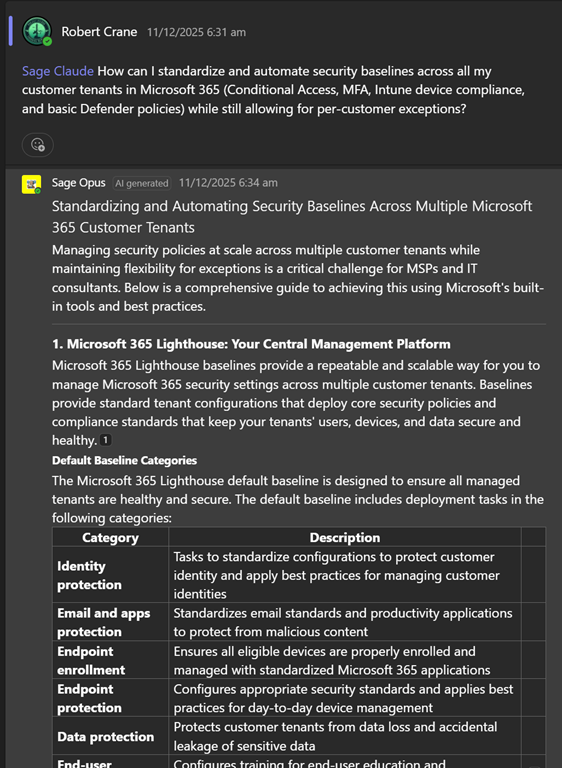
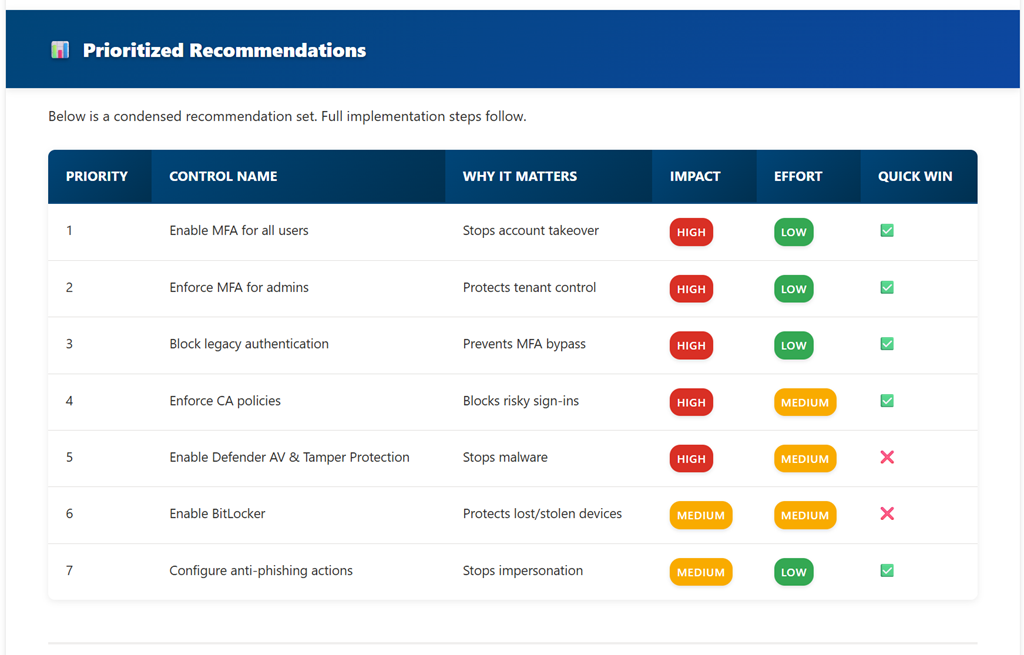
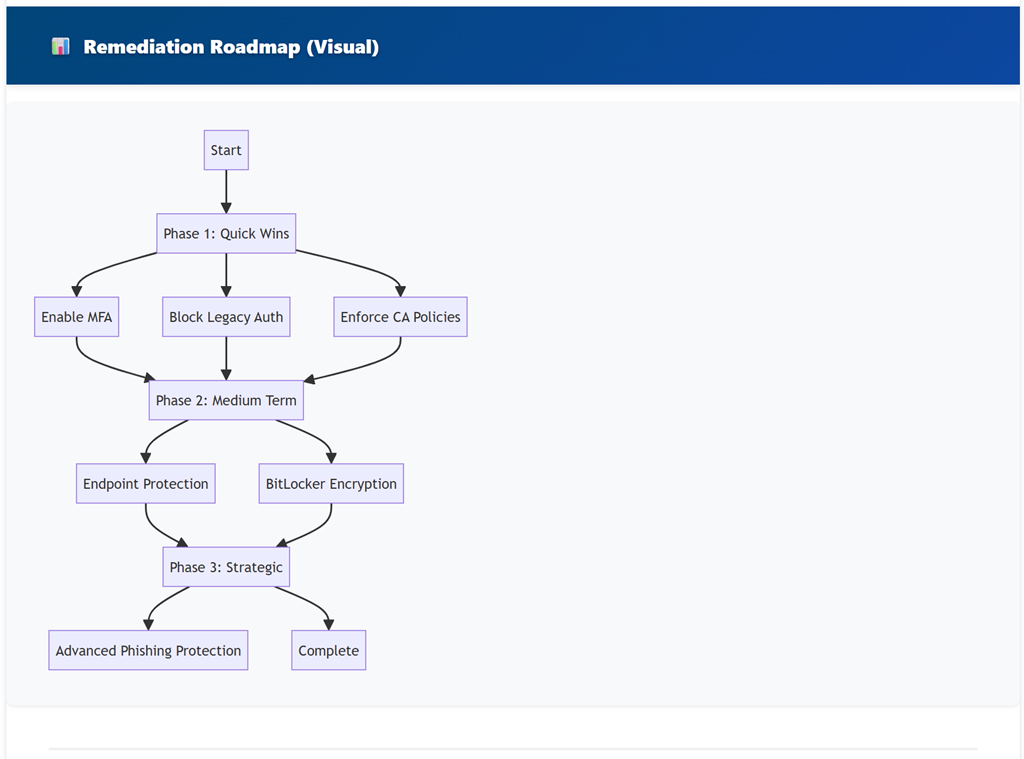
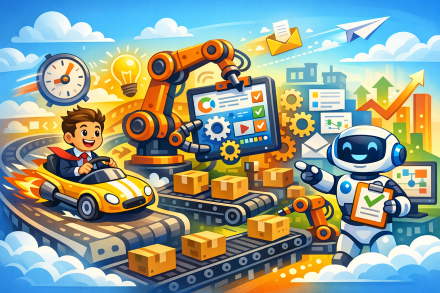





 CIAOPS