Power Platform PAYG configuration

I have spoken about how to

Set up PAYG for Power Platform

I was therefore puzzled when I saw this error in a Flow I created with premium connectors recently

Screenshot 2022-10-11 105235

“… does not have a standard service plan adequate for non-Standard connection”

It was my understanding that Power Platform PAYG would handle this. However, when you read the following documentation it says:

Only production or sandbox environments are available to add to billing policies at this time. Trial environments, developer environments, Dataverse for Teams environments, and default environments cannot be added.

Ok, that means I need to create a new Power Platform Environment and add that to the Power Platform PAYG billing policy.
image

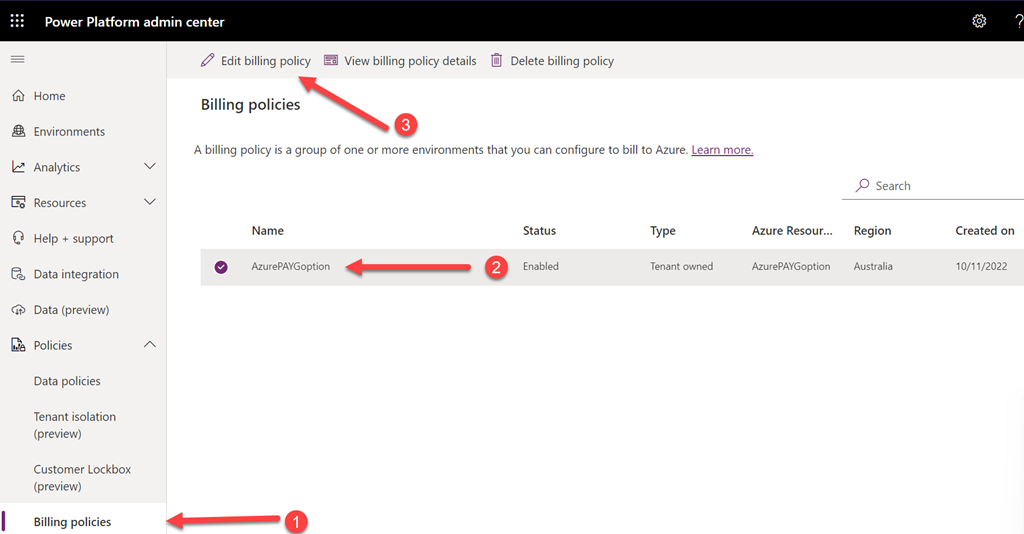
So into the Power Platform Admin center I went. Selecting Billing policies from the Policies option on the left. The direct URL is:

https://admin.powerplatform.microsoft.com/billingpolicies

I then selected the PAYG billing policy I had previously created and then I selected Edit billing policy at the top of the page.
image

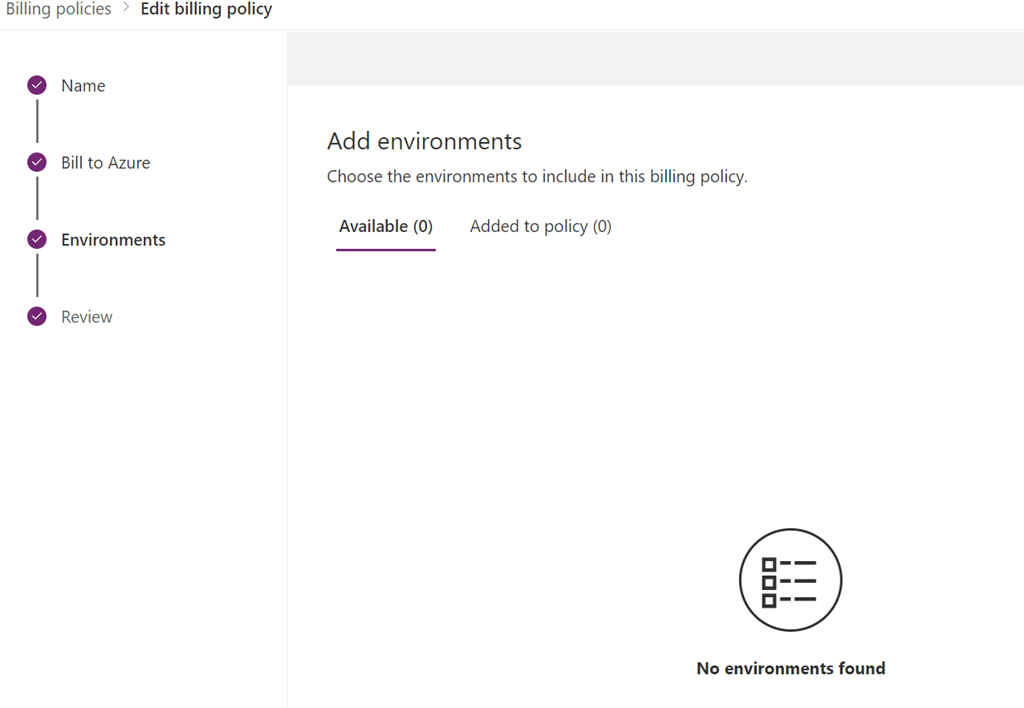
Sure enough, in the Environments section (shown above) I had nothing in there, so no billing was actually happening against the PAYG policy.
image

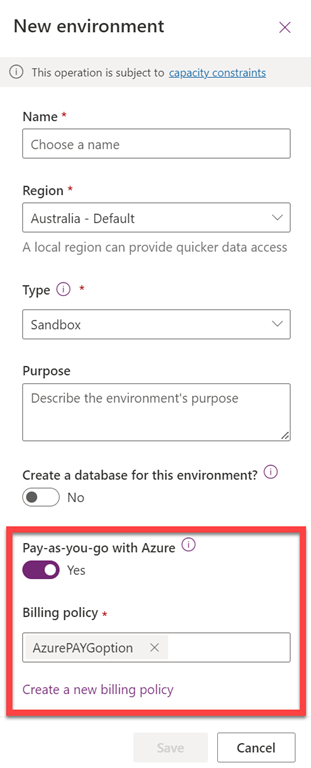
If I now create a New environment in the Power Platform you can see down the bottom there the option to use Pay-as-you-go with Azure. Here you can select an existing PAYG policy as well as create a new one if desired.

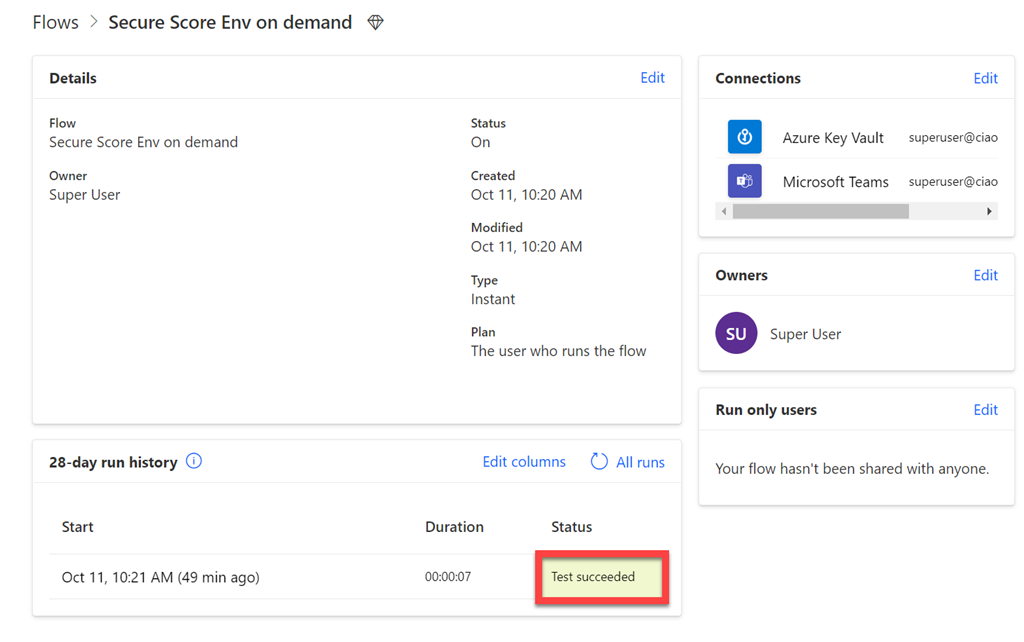
With a new environment created, I exported and imported the Flow I had created previously in the default environment into this new environment with PAYG billing now enabled
image

and it ran successfully! Yeah!

So the moral of the story with the Power Platform pay as you go option is that it will not work against the default environment, you need to create a new environment and specify the PAYG option at the point of creation.
image

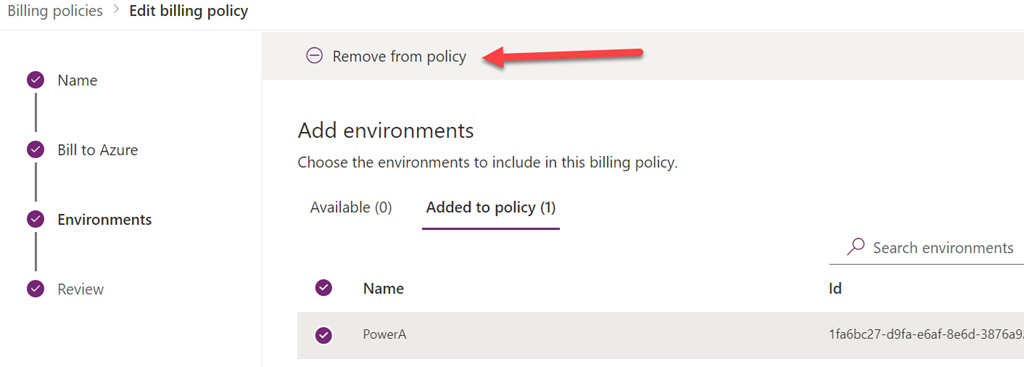
It is also possible to remove the environment you added to the PAYG policy at any point by editing the policy and selecting Remove from policy as shown above at the Environments stage after selecting the environment in the Added to policy menu option.


CIAOPS Need to Know Microsoft 365 Webinar – October

laptop-eyes-technology-computer

Join me for the free monthly CIAOPS Need to Know webinar. Along with all the Microsoft Cloud news we’ll be taking a look at a securing Microsoft 365 in light of recent breaches.

Shortly after registering you should receive an automated email from Microsoft Teams confirming your registration, including all the event details as well as a calendar invite.

You can register for the regular monthly webinar here:

October Webinar Registrations

(If you are having issues with the above link copy and paste – https://bit.ly/n2k2210)

The details are:

CIAOPS Need to Know Webinar – October 2022
Friday 28nd of October 2022
11.00am – 12.00am Sydney Time

All sessions are recorded and posted to the CIAOPS Academy.

The CIAOPS Need to Know Webinars are free to attend but if you want to receive the recording of the session you need to sign up as a CIAOPS patron which you can do here:

http://www.ciaopspatron.com

or purchase them individually at:

http://www.ciaopsacademy.com/

Also feel free at any stage to email me directly via director@ciaops.com with your webinar topic suggestions.

I’d also appreciate you sharing information about this webinar with anyone you feel may benefit from the session and I look forward to seeing you there.

Need to Know podcast–Episode 287

More updates from the Microsoft Cloud prior to Ignite in 2 weeks. Lost around security and the new Windows 11 22H2 update that is rolling out.

You can listen directly to this episode at:

https://ciaops.podbean.com/e/episode-287-updates/

Subscribe via iTunes at:

https://itunes.apple.com/au/podcast/ciaops-need-to-know-podcasts/id406891445?mt=2

The podcast is also available on Stitcher at:

http://www.stitcher.com/podcast/ciaops/need-to-know-podcast?refid=stpr

Don’t forget to give the show a rating as well as send me any feedback or suggestions you may have for the show.

This episode was recorded using Microsoft Teams and produced with Camtasia 2022.

Brought to you by www.ciaopspatron.com

Resources

@directorcia

YouTube version of podcast

Microsoft Ignite

Forensic artifacts in Office 365 and where to find them

Defend your users from MFA fatigue attacks

Tamper protection will be turned on for all enterprise customers

Malicious OAuth applications used to compromise email servers and spread spam

What’s new in Microsoft Endpoint Manager – 2209 (September) edition

Work safer and smarter with the Windows 11 2022 Update

New Windows 11 security features are designed for hybrid work

Available today: The Windows 11 2022 Update

Phishing Protection in Microsoft Defender SmartScreen

What is smart app control?

Why am I blocked?

Adoption score

Avoid MFA fatigue attacks in Microsoft 365

A MFA fatigue attack is where an attacker will constantly attempt to login as the user causing an MFA request to appear on the users device. If this request is simply to deny or approve, and with enough requests, the user eventually approves to make theses requests go away. Such an attack recently provided very successful at Uber. You can read more about that incident here:

https://www.uber.com/newsroom/security-update

With MFA in Microsoft 365 and the Microsoft Authenticator app you can avoid this by enabling number matching for push notifications. Here’s how to do it:

image

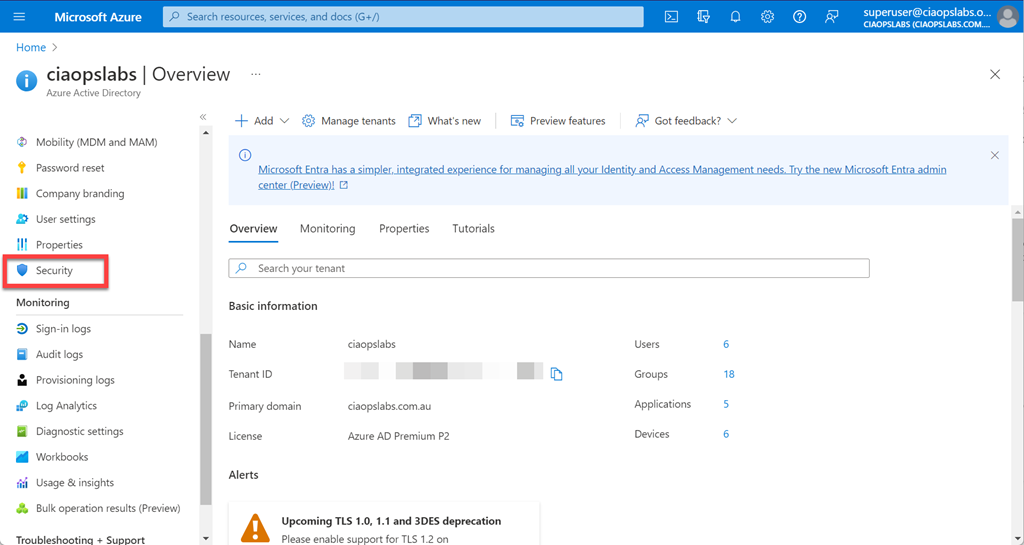
Navigate to the Azure portal as an administrator and then to Azure Active Directory. Here, select Security from the menu on the left as shown above.

image

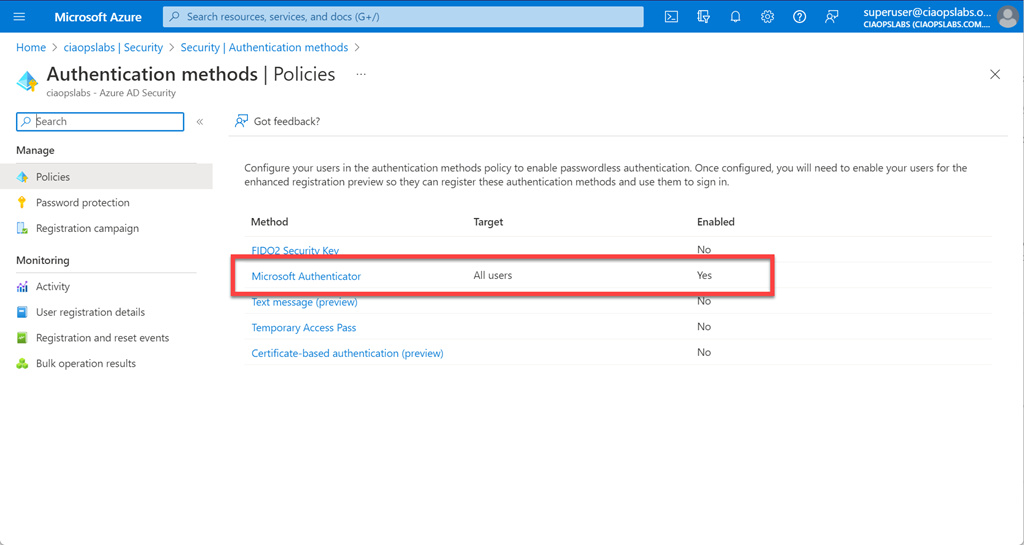
Here, select Authentication methods as shown above on the left.

image

Now select Microsoft Authenticator on the right.

image

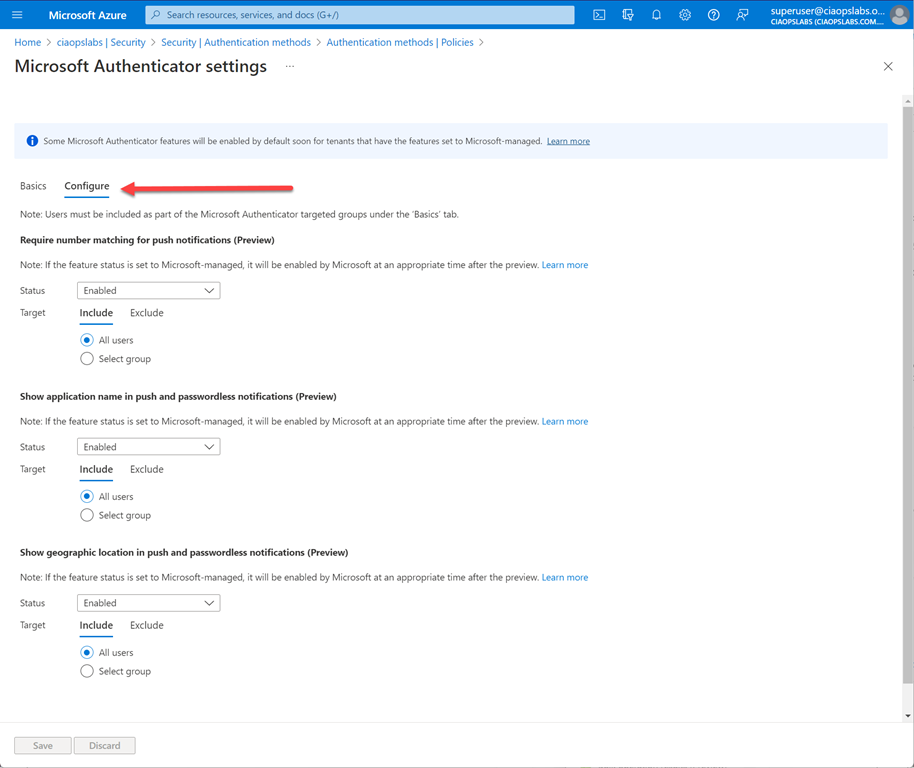
Select Configure at the top of the page and ensure all the options listed are Enabled for all users. You may want to exclude any break-glass accounts though.

image

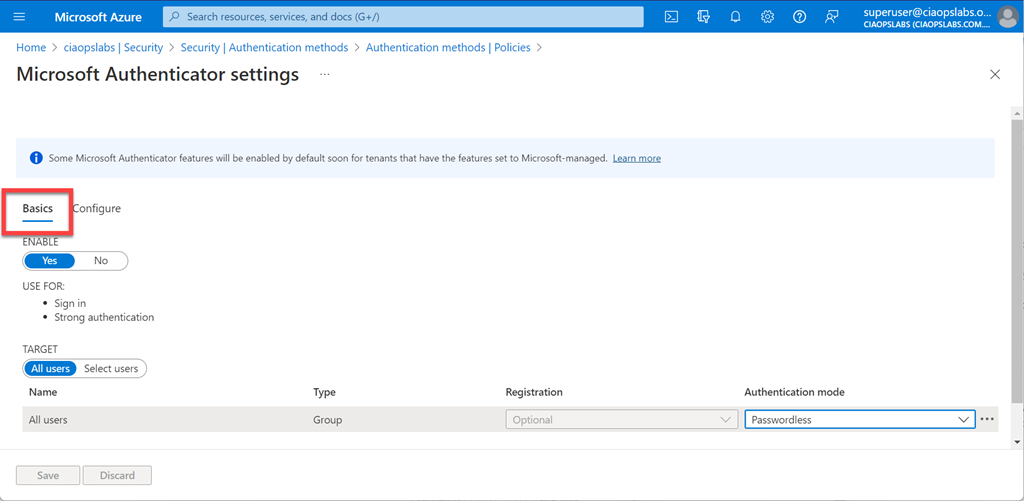
Back on the Basic tab, as shown above, ensure you have Enable set to Yes and you target all the desired users with Passwordless.

IMG_1151

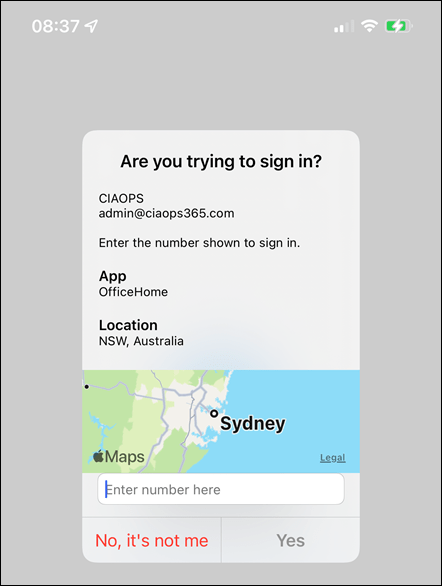
Now, when users are prompted for MFA they will see the above on their devices and need to type the number that is on the screen into their device to approve the login. They will also see the geographic location the request came from and application requesting as shown above.

If you want to check yoru environment for MFA fatigue attacks you can use this KQL query in Sentinel:

https://github.com/reprise99/Sentinel-Queries/blob/main/Azure%20Active%20Directory/Identity-PotentialMFASpam.kql

Online security is something that requires constant adjustment as the bad actors adapt to the protection methods put in place. Number matching in Microsoft 365 is quick and easy to set up using the Microsoft Authenticator and the recommended approach you should take to avoid MFA fatigue attacks.

Microsoft Defender Threat Intelligence portal

image

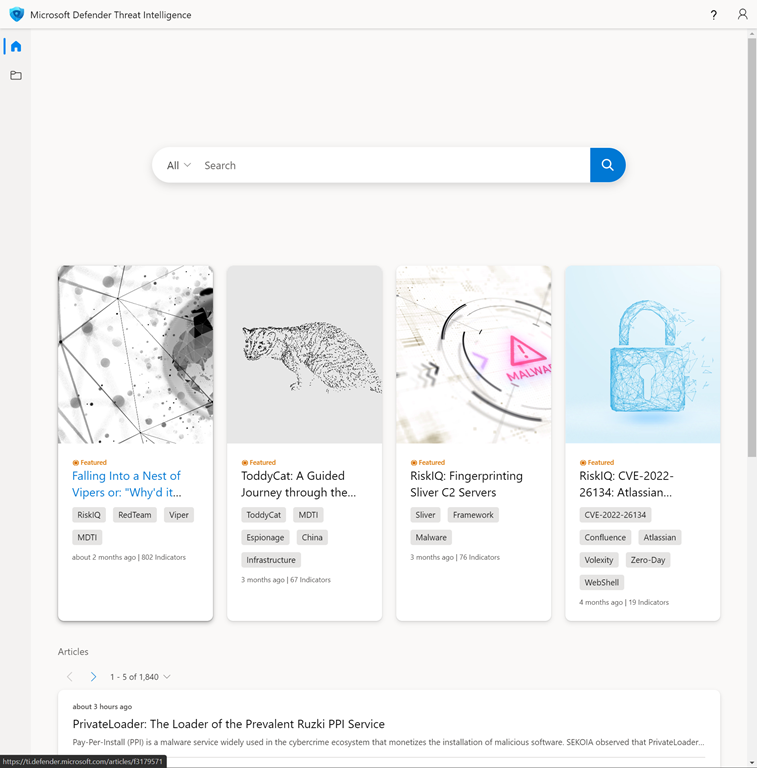
Microsoft has a new security portal at:

https://ti.defender.microsoft.com

which comes from their recent RiskIQ acquisition. In essence it is a place that you can search for security intelligence and information around all sorts of indicators.

image

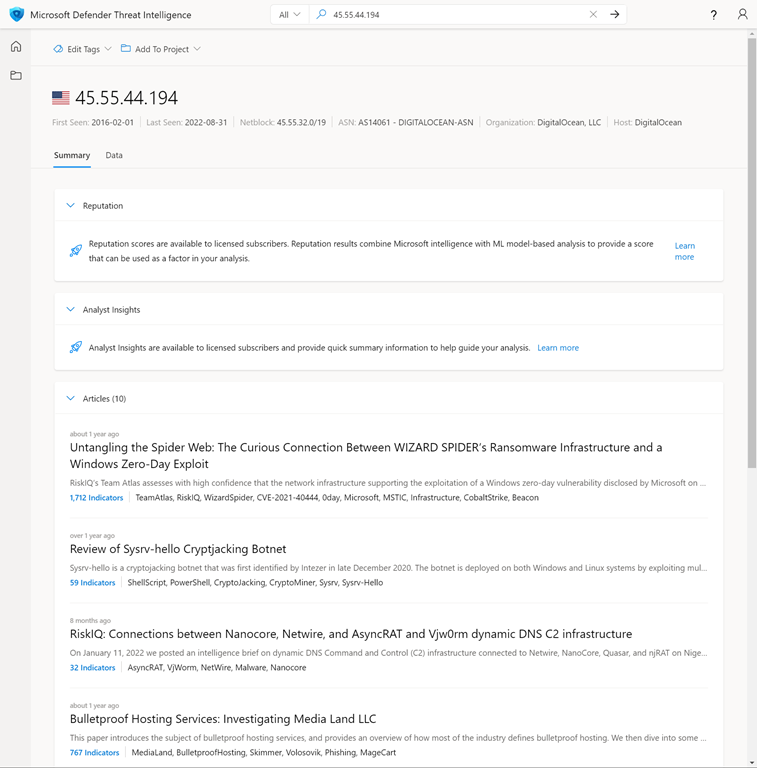
If I for example search for an IP address that showed up in my Microsoft Sentinel as a known bad IP I see the above results.

image
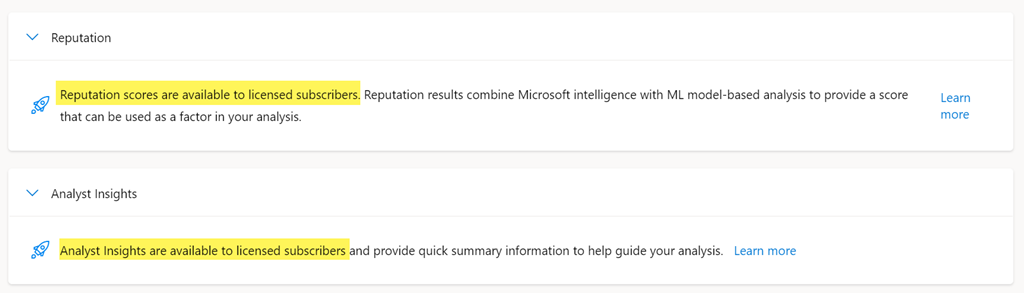
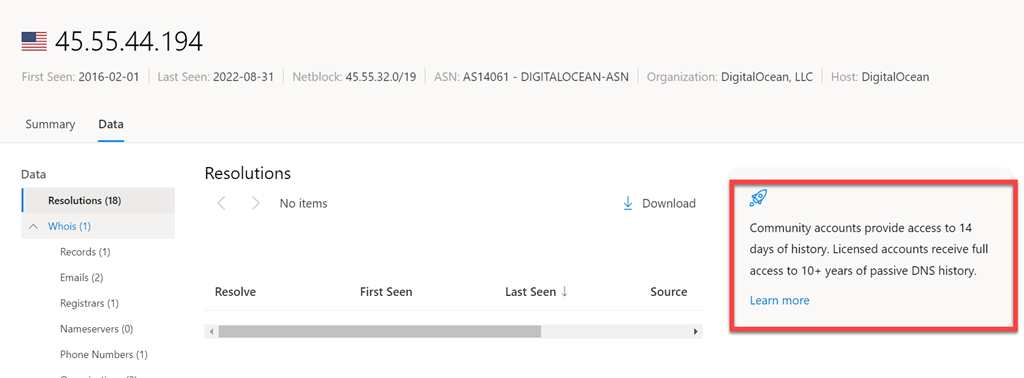
If you look closely, you’ll see the ‘good’ stuff requires a subscription. How much is a subscription I hear you ask? Well, make sure you are sitting down before you proceed because it is:

image

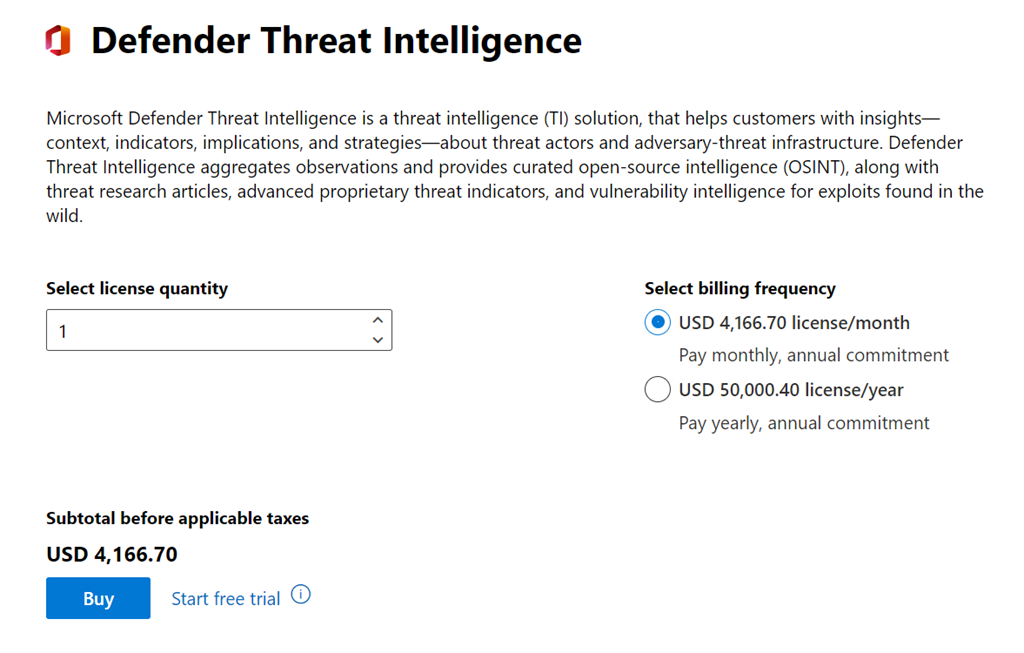
Yup, that is US$4,1667.70 per month! Wow!

image

That said, the free or ‘community’ version does provide a lot of valuable information and I would recommend that you add the site to your list of tools when threat hunting. Personally, I would have liked to have seen a pay as you go (PAYG) option provisioned out of Azure like things such as Sentinel is. Hopefully, the price will come down or at least there may eventually be a tier that smaller business can live with. But for now, have a look and use the features provided for free as there are many. You can learn more from the documentation here:

What is Microsoft Defender Threat Intelligence (Defender TI)?

Need to Know podcast–Episode 286

Another round of updates from the Microsoft Cloud. Also trying a video version of the podcast on YouTube (link below). Also trying an ‘editorial’ section which this month is on Secure Score. Let me know what you think.

Take a listen and let us know what you think – director@ciaops.com

You can listen directly to this episode at:

https://ciaops.podbean.com/e/episode-286-updates/

Subscribe via iTunes at:

https://itunes.apple.com/au/podcast/ciaops-need-to-know-podcasts/id406891445?mt=2

The podcast is also available on Stitcher at:

http://www.stitcher.com/podcast/ciaops/need-to-know-podcast?refid=stpr

Don’t forget to give the show a rating as well as send me any feedback or suggestions you may have for the show.

This episode was recorded using Microsoft Teams and produced with Camtasia 2022.

Brought to you by www.ciaopspatron.com

Resources

@directorcia

YouTube version on podcast

Join my shared channel

CIAOPS Monthly webinar

Microsoft Ignite

iOS Lockdown mode

Visual Studio Code on the web

Gone phishing tournament

Storyline is in public preview

Microsoft SMB study

Edge enhanced security

image

A new security option in Microsoft Edge.You’ll find it in Settings | Privacy, search and services as shown above. Three levels are available once you enable it (it is disabled by default).

What is does according to the documentation is:

Enhanced security in Microsoft Edge helps safeguard against memory-related vulnerabilities by disabling just-in-time (JIT) JavaScript compilation and enabling additional operating system protections for the browser.

and more information is found here:

Enhance your security on the web with Microsoft Edge

There is also the option to white list certain URLs if required.

So, if you want a bit more security when using Edge, turn it on! I have.