Exchange Online’s anti-spam policies include international spam filters that let you block unwanted emails based on the sender’s region and the language of the message. By using Region Block Lists and Language Block Lists, administrators can automatically mark certain incoming emails as spam – for example, emails sent from countries your organization doesn’t do business with, or messages written in languages your users don’t speak. This helps prevent email not intended for the user (such as foreign spam or phishing attempts) from ever reaching their inbox.
Exchange Online Anti-Spam Overview
Exchange Online Protection (EOP) applies a default spam filter (also known as a Hosted Content Filter Policy) to all incoming mail[1]. Admins can customize this policy or create new ones to tighten spam filtering. Among many settings (blocking specific senders, domains, etc.), EOP provides International Spam settings to filter messages by country/region of origin and language[1][2]. These filters are optional and disabled by default – but when enabled, they instruct EOP to treat certain emails as spam purely due to their origin or language.
How it works: Exchange Online analyzes each incoming message’s metadata and content. It determines the source country (using the sender’s IP address geolocation) and attempts to detect the language the message is written in. If the message matches a blocked region or language that you’ve specified and you have turned on these filters, Exchange Online will increase the message’s spam score or outright flag it as spam[3][4]. Such messages will then be handled according to your spam policy (usually delivered to the Junk Email folder or quarantined, rather than reaching the inbox).
Why Use Region and Language Filters?
By leveraging these block lists, organizations can reduce spam and phishing that users are unlikely to find legitimate. For example, a company operating only in North America might block all emails coming from domains in far-off regions often associated with spam. Similarly, if your users only speak English and French, you might block emails written in Russian or Chinese to stop foreign-language scams. International spam filtering is a coarse filter – it’s not based on content quality but on origin characteristics – yet it can significantly cut down unwanted mail that standard content filters might miss. (Keep in mind determined attackers might evade these by using relay servers in “allowed” countries or by writing spam in your users’ languages, so these filters are one layer of defense, not a silver bullet.)
Default behavior: Out of the box, Exchange Online’s international filters are off (no regions or languages are blocked)[4]. If you enable them without specifying any entries, they won’t have effect. Once you enable a Region or Language block list and add entries to it, any incoming message matching those conditions gets stamped with a high spam confidence level (SCL). By default, EOP will send such spam to the recipient’s Junk Email folder (or quarantine it if it’s detected as high-confidence phishing)[3]. This means the user is protected from seeing it in their inbox, though they can still review junk/quarantine if needed.
Note: The Region and Language block lists simply mark messages as spam – they don’t outright reject the message. The messages will still arrive to your tenant and be deliverable to Junk Email or Quarantine based on your spam policy actions. Ensure your anti-spam policy’s actions for spam are configured (the default is to send to Junk) so that these flagged emails don’t reach the inbox.
Configuring Region and Language Block Lists via PowerShell
You can configure these international spam settings easily using Exchange Online PowerShell. Below is a step-by-step guide to enable and customize the Region and Language block lists:
Below are the detailed instructions and PowerShell commands for each step:
Connect to Exchange Online PowerShell – Open a PowerShell console and connect to your Exchange Online environment. If you have the Exchange Online PowerShell module installed, run: Connect-ExchangeOnline -Credential (Get-Credential) This will prompt for your admin credentials and establish the session. (Alternatively, use the older Connect-MsolService or New-PSSession methods if not using the newer module.)
View current policy settings (optional) – It’s good practice to see what the current spam filter policy is before changing it. By default, the primary policy is named “Default” (or “Default Anti-Spam Policy”). Run the following to inspect the international block list settings: Get-HostedContentFilterPolicy -Identity "Default" | Format-List Name, EnableRegionBlockList, RegionBlockList, EnableLanguageBlockList, LanguageBlockList This will show whether the region and language filters are enabled (should show False by default) and any listed codes (likely empty). For example, you might see: EnableRegionBlockList : False RegionBlockList : {} EnableLanguageBlockList : False LanguageBlockList : {} indicating the filters are currently off.
Enable and configure the Region Block List – Decide which countries or regions you want to block. Use their two-letter country codes (ISO 3166-1 alpha-2 format)[3]. For instance, “CN” (China), “RU” (Russia), “IR” (Iran), “BR” (Brazil), etc. Then run the command: Set-HostedContentFilterPolicy -Identity "Default" ` -EnableRegionBlockList $true ` -RegionBlockList "CN","RU","IR" In this example, we enable the region filter and add China, Russia, and Iran to the blocked RegionBlockList. From now on, any incoming email originating from servers in those countries will be marked as spam[3]. (Use the country codes that make sense for your organization – you might include those where you do not have clients or colleagues. You can list one or dozens of codes as needed.)Tip: You can find the full list of supported country codes in Microsoft’s documentation[3] or any ISO country code list. Common examples include US (United States), GB (United Kingdom), CN (China), DE (Germany), IN (India), etc. Only use codes for countries you truly want to block – blocking major email source countries could filter out legitimate emails if, for example, a partner’s email routed through that region.
Enable and configure the Language Block List – Choose the languages you want to block. Use ISO 639-1 two-letter language codes[4] (these are often the first two letters of the language name in English, but not always). For example: “ZH” (Chinese), “RU” (Russian), “AR” (Arabic), “KO” (Korean), “JA” (Japanese) are common codes. Then run: Set-HostedContentFilterPolicy -Identity "Default" ` -EnableLanguageBlockList $true ` -LanguageBlockList "ZH","RU","AR" This turns on language-based filtering and configures the list to block Chinese, Russian, and Arabic content. Now, if an inbound message’s content is detected as written in Russian, Chinese, or Arabic, it will be marked as spam[4]. Note: Ensure you include the correct codes. For instance, “EN” is English, “ES” is Spanish, “FR” is French, “DE” is German, “JA” is Japanese, “ZH” is Chinese (Mandarin). Microsoft supports a wide range of language codes – you can find the supported list in documentation[4]. Only block languages that your users do not understand or correspond with; you wouldn’t want to block a language that any legitimate communication might use. In our example, we assumed our organization doesn’t correspond in Chinese or Arabic, so blocking those will help catch spam in those scripts.
Verify the new settings – Run the Get-HostedContentFilterPolicy -Identity "Default" | Format-List ... command again (from step 2) to confirm that EnableRegionBlockList and EnableLanguageBlockList now show True, and that the RegionBlockList and LanguageBlockList contain the codes you set. For example, it might now display: EnableRegionBlockList : True RegionBlockList : {CN, RU, IR} EnableLanguageBlockList : True LanguageBlockList : {ZH, RU, AR} This means your policy is active with those filters. These changes take effect quickly (usually within minutes) for new incoming emails. Monitoring: After enabling these, keep an eye on your Quarantine or users’ Junk folders to gauge impact. You could, for instance, send a test email from an account in a blocked country (or ask a contact in that country to email you) and verify it goes to Junk. In the Security & Compliance Center, the Threat Explorer/Review can show messages flagged by these rules. Each caught email’s headers will include indicators (e.g., SFV:BLK in X-Forefront-Antispam-Report for region-block, or a note of “banned language”). This helps confirm the filter is working.
Management and Tweaks: You can update the lists at any time. For example, to add or remove entries without affecting others, use the Add/Remove syntax. Suppose you want to add Nigeria (NG) to the region block list without retyping everything:
Always double-check with Get-HostedContentFilterPolicy after changes. Keep your block lists maintained as your business needs evolve (for instance, if you start dealing with a new country, remove it from the blocked list!).
Finally, remember that these settings apply tenant-wide by default (since the default policy covers all recipients). If needed, you can create custom anti-spam policies with their own Region/Language settings and scope them to specific users or groups – for example, not blocking Spanish for your Latin America team but blocking it for others. This can be done by creating a new policy via PowerShell (New-HostedContentFilterPolicy and a corresponding New-HostedContentFilterRule to assign it to certain recipients)[1]. In most cases, however, a single global setting is sufficient.
Conclusion
By using Exchange Online’s region and language block lists, you add a focused layer of defense against unsolicited emails. Region-based filtering blocks emails coming from countries that you know send you no legitimate mail (often catching spam campaigns from those areas)[3]. Language-based filtering blocks emails in languages your users don’t read – which are often spam or phishing lures in practice[4]. These features are easy to turn on with a few PowerShell commands and can dramatically reduce “noise” in user mailboxes.
Do note that legitimate communication can occasionally be caught (for example, an English-language email sent via a server in a blocked country, or a multilingual email with a few words triggering language detection). Therefore, use these filters judiciously and inform your helpdesk, so they know a possible reason if an expected message doesn’t arrive. Overall, when configured thoughtfully, region and language block lists are powerful tools to prevent emails not intended for your users, keeping your organization’s inboxes more focused and secure.
When a Microsoft 365 Business Premium subscription is not renewed, the tenant doesn’t shut down instantly. Instead, it transitions through several stages (Expired, Disabled, and Deleted) over a defined timeline. During each stage, different levels of access are available and the status of your data changes. Understanding this lifecycle is crucial for administrators to prevent data loss and plan accordingly[1][1]. This report details each stage step-by-step, who can access the tenant and its data at each point, what happens to user data (including retention and recovery options), and the timelines and best practices associated with each phase. We’ll focus on Microsoft 365 Business Premium (as a representative Microsoft 365 for Business plan), which follows the standard subscription lifecycle for most business plans.
Overview of Post-Expiration Stages
Once a Business Premium subscription reaches its end date without renewal, it goes through three stages before final shutdown[1]:
Expired (Grace Period) – Immediately after the subscription’s end date, a grace period begins (generally 30 days for most Business subscriptions)[1]. During this stage, services continue to operate normally for end users, and all data remains accessible as usual[1]. This is essentially a buffer period to allow for renewal or data backup before any service disruption occurs.
Disabled (Suspended Access) – If the subscription is not renewed by the end of the grace period, it moves into the disabled stage (typically lasts 90 days after the grace period)[1]. In this phase, user access is suspended – users can no longer log in to Microsoft 365 services or apps[2]. However, administrators retain access to content and the admin portal, allowing them to retrieve or back up data and to reactivate the subscription if desired[1][1]. The data is still preserved in Microsoft’s data centers during this stage.
Deleted (Tenant Deletion) – After the disabled period (~120 days after initial expiration, in total), the subscription enters the deleted state[2]. At this final stage, all customer data is permanently erased, and the Microsoft 365 tenant (including its Microsoft Entra ID/Azure AD instance) is removed (if it’s not being used for other services)[1]. At this point, no recovery is possible – the data and services are irretrievable.
Each stage comes with changes in who can access the tenant’s services and what happens to the stored data. The table below summarizes the key aspects of each stage:
After ~120 days total (post-Disabled)[2] (data is purged)
User Access
Full access to all services and data. Users continue to use email, OneDrive, Teams, Office apps, etc., normally.[1]
No user access to Microsoft 365 services. Users are blocked from email, OneDrive, Teams, etc. Office applications enter a read-only “unlicensed” mode[1] (no editing or new content).
No access – user accounts and licenses are terminated. (Users effectively no longer exist in the tenant once deleted.)
Admin Access
Admin has full access. Administrators can use the Microsoft 365 admin center and all admin functions normally. They receive expiration warnings and can still renew/reactivate the subscription during this period[1][1].
Admin access only. Administrators can log in to the admin center and view or export data (e.g. using eDiscovery or content search). However, admins cannot assign new licenses to users while in this state[1]. The admin’s ability to use services might be limited to data retrieval; user-facing apps for admins are also in reduced functionality.
Limited/No admin access to data. Global admins can still sign into the admin portal to manage billing or purchase other subscriptions[1], but all customer data is permanently inaccessible. The subscription cannot be reactivated at this point[1]. If the Azure AD (Entra ID) isn’t used by other services, it is removed along with all user accounts[1].
Data Status
All data retained.Customer data (emails, files, chat history, etc.) remains intact and fully accessible to users and admins[1]. No data deletion occurs in this stage.
Data retained (read-only). All data is still stored in the tenant (Exchange mailboxes, SharePoint/OneDrive files, Teams messages). However, only admins can access this data directly[1] (e.g., an admin could export mailbox contents or files). Users cannot access their data through normal means, but the data has not yet been deleted.
Data deleted. All user and organization data is permanently deleted from Microsoft’s servers[2]. This includes Exchange mailboxes, SharePoint sites, OneDrive files, Teams chat history, Planner data, etc. The data cannot be recovered once this stage is reached.
Email & Communications
Email fully functional. Users can send/receive email as normal; mailboxes are active. Teams chats and calls continue normally during this stage.
Email disabled. Exchange Online mailboxes remain in place but are inaccessible to users, and email delivery stops (messages may bounce since the mailbox is now inactive)[2]. Teams functionality is also suspended – users cannot login to Teams, and messages aren’t delivered. (Data in mailboxes and Teams chats is still preserved on the back-end during this time.)
No email/Teams. Mailboxes are gone; inbound emails will not find the recipient (the tenant and users don’t exist). Teams data and channels are removed along with the SharePoint/OneDrive data that stored them.
Reactivation Options
Can renew/revive. The subscription can be reactivated instantly by administrators during this entire stage with no loss of data or functionality[1]. (Microsoft continues to accept payment to restore full service during grace.)
Can still renew. Administrators can reactivate the subscription during the 90-day disabled window by paying/renewing[1]. This will restore user access and no data will be lost. If not renewing, admins should use this time to back up any needed data.
Cannot reactivate. Once in Deleted status, it’s too late to simply renew – the subscription is considered terminated. Recovery is not possible; a new subscription would be a fresh start without the old data[1].
Note: The timeline above (30 days grace + 90 days disabled) applies to most Microsoft 365 Business subscriptions in most regions[1]. If your subscription was obtained via certain volume licensing programs or a Cloud Solution Provider (CSP), the durations might vary slightly. For example, enterprise volume licensing agreements often have a 90-day grace period and a shorter disabled period, or vice versa[1]. However, for Microsoft 365 Business Premium (direct or CSP purchase), the 30-day grace and 90-day disabled schedule is the standard sequence.
Stage 1: Expired (Grace Period – Full Access Maintained)
When it starts: Immediately after the subscription’s end date, if you did not renew or if auto-renewal was turned off, the subscription enters the Expired status[1]. All previously assigned licenses remain in place during this stage, and the service continues uninterrupted for a limited time.
Duration:Approximately 30 days (for most Business Premium subscriptions)[1] after the license term ends. This 30-day window is often called a grace period.
Access for Users: During the expired stage, end users experience no change in service. All users can still log in and use Microsoft 365 apps and services normally, including Outlook email, Teams, SharePoint, OneDrive, Office applications, etc.[1]. Essentially, full functionality continues as if the subscription were active. Users are typically unaware that the subscription has technically expired – there are no immediate pop-ups or lockouts at this stage beyond possible subtle “license expired” notices in account settings.
Example: If your Business Premium expired yesterday, your employees can still send and receive emails, access their OneDrive files, and use Office apps today without interruption. The experience is unchanged in this grace period.
Access for Admins: Administrators retain full admin capabilities during the expired phase. You can still access the Microsoft 365 Admin Center and all admin portals (Exchange Admin, SharePoint Admin, etc.) normally[1]. In fact, Microsoft will be alerting the admins about the situation: Admins receive notifications in the admin center and via email as the expiration date approaches and passes[1]. These warnings typically inform you that the subscription has expired and remind you to act (renew or backup data) before further consequences.
Initial Notifications:Prior to expiration, Microsoft sends a series of warnings to the global and billing administrators of the tenant, often starting a few weeks before the due date[1]. For example, admins may get emails at intervals like 30 days, 14 days, 7 days before the subscription ends (exact timing can vary) reminding them to renew. In the Admin Center dashboard, alerts will also indicate the upcoming subscription end. This heads-up is meant to prevent accidental lapses.
Admin Options during Grace: During the 30-day expired stage, admins have two primary options:
Renew / Reactivate the Subscription: At any point in the grace period, the admin can renew the subscription (or turn recurring billing back on) to return the status to “Active”[1]. This is a seamless process – once payment is made or the subscription is reactivated, service continues normally without any data loss or further action needed. (If auto-renew was enabled, this happens automatically and the subscription never enters expired status at all.)
Let it Lapse / Prepare to Exit: If the organization intends not to continue with Microsoft 365, the admin can choose to let the subscription run its course. No immediate action is required to “cancel” at this point because turning off renewal ensures it will expire. During the grace period, it’s wise to begin data backup efforts if you plan to leave the service[3][3]. Microsoft specifically recommends backing up your data during the Expired stage if you are planning not to renew[3][3], since this is a window where everything is still fully accessible. (We will discuss data backup and export options in a later section.)
Data Status: All your data remains intact and fully accessible during Expired status. There is no deletion or removal of any data at this stage. This means:
Exchange Online mailboxes: All emails, calendars, contacts are retained and functional. Users can continue to send/receive mail normally.
SharePoint Online sites and OneDrive: All files and SharePoint site content remain unchanged. Users can add, edit, and delete files as usual; synchronization with local devices continues.
Teams: All chat histories, team channels, and files shared in Teams remain available. Teams meetings can be scheduled and attended normally.
Other services: Planner tasks, OneNote notebooks, Azure AD user accounts, etc., are all unaffected and continue to operate.
In summary, the Expired stage is a safety net – a 30-day full functionality extension past the subscription end date. It exists to ensure that a lapse in payment or decision doesn’t immediately grind business productivity to a halt, and to give administrators time to evaluate next steps (renew or plan for shutdown)[1][1]. Users have no loss of service in this period, and only admins are aware of the ticking clock via the notifications.
Administrator Tip: Use the grace period wisely. If renewal is intended, it’s best to reactivate before the 30 days are up to avoid any service disruption. If you do not intend to renew, start communicating with users and begin backing up critical data now, while everything is accessible. This might include exporting mailbox PST files, downloading files from OneDrive/SharePoint, and capturing any Teams data you need to retain.
Stage 2: Disabled (Suspended Access – Admin Only)
When it starts: If the subscription is still not renewed once the ~30-day grace period ends, the tenant status automatically changes from Expired to Disabled (sometimes also referred to as the suspended or inactive stage). For most Business Premium subscriptions, this transition happens on Day 31 after expiration (i.e., one month after the subscription’s official end date).
Duration: Typically *90 days in the Disabled state*[1] for standard Microsoft 365 business subscriptions. This 90-day disabled period starts immediately after the grace period. In many scenarios, this means from day 31 through day 120 after your subscription term ended, the tenant is in Disabled status. (Some enterprise agreements might use slightly different timings, but 90 days is the norm for Business Premium.) This 90-day window is critical: it’s the final period during which data is retained and the subscription can be reactivated before permanent deletion.
Access for Users: During the disabled stage, all end-user access is cut off:
User Login and Apps:Users can no longer log in to Microsoft 365 services (their licenses are now considered “inactive”). If a user tries to sign in to Outlook, Teams, or any Office 365 app, it will fail or indicate that the subscription is inactive. Office desktop apps (like Word, Excel installed via Microsoft 365) will detect the license is expired and **eventually go into a *reduced-functionality mode*[1] – essentially read-only mode. They will start showing *“Unlicensed Product” notifications*, meaning editing and creating new documents is disabled[1].
Email:Email functionality stops. Users cannot send or receive emails once the tenant is disabled[2]. Exchange Online will stop delivering messages to user mailboxes. External people who send email to your users may receive bounce-back errors (since the system treats the mailboxes as inactive). The emails that already exist in mailboxes remain stored, but users can’t access them.
OneDrive and SharePoint: Users lose access to their OneDrive and SharePoint content. If they try to access SharePoint sites or OneDrive files via web or sync clients, they will be denied. The data is still present on Microsoft’s servers, but not accessible to the user. Essentially, the SharePoint sites and OneDrive accounts are frozen in place during disabled status.
Teams:Teams becomes non-functional for users. They cannot log into Teams clients, join meetings, or post messages. Messages sent to them will not be delivered. The Teams data (chat history, channel conversations, etc.) remains stored (since it’s part of Exchange mailboxes and SharePoint) but is inactive.
Other Services: Any other Microsoft 365 services (Microsoft 365 apps, Power BI if included, Planner, etc.) will be inaccessible to users. For example, OneNote notebooks stored in SharePoint/OneDrive remain but can’t be edited by users. If a user had mobile apps logged in, they would stop syncing or show an error.
In short, regular users are effectively locked out of all Microsoft 365 resources during the Disabled stage. The tenant’s services are in a suspended state, awaiting either reactivation or deletion. For end users, the experience is that everything has stopped working – this is the stage where they will notice the lapse (if they hadn’t during the grace period).
Access for Admins:Administrators still retain access to the system in this stage, though in a more limited capacity:
Admin Center: Global and Billing Administrators can continue to sign in to the Microsoft 365 Admin Center and view the subscription status[1]. From here, an admin can initiate renewal/reactivation of the subscription if desired (more on that below). Admins can also navigate to the various admin portals (Exchange Admin, SharePoint Admin, etc.). However, their ability to make changes is limited because the subscription is in a suspended state.
Data Access for Admin: Critically, customer data is still available to admins even though users can’t access it[1]. For example:
An Exchange Online admin (or a global admin with eDiscovery roles) could use Content Search (eDiscovery) to export mailbox data for a user account. This allows retrieval of emails, contacts, etc., even though the user can’t log in.
A SharePoint admin can access SharePoint site collections (e.g., via PowerShell or admin interfaces) and could retrieve documents or site data if needed. Additionally, files in OneDrive might be accessible by SharePoint admin because OneDrive is essentially a SharePoint site under the hood.
If third-party backup solutions were in place, they might still be able to connect via admin credentials to pull data during this stage.
License Management: One notable restriction is that, in the disabled stage, admins cannot assign or add new licenses to users[1]. The subscription is essentially frozen: you can’t onboard new users under it or extend more licenses. The admin’s role here is mostly to either recover data or restore the subscription, not to operate business-as-usual changes.
Admins do not have normal end-user functionality (for example, if the global admin also had a mailbox on this tenant, they also cannot use email normally for that mailbox, since it’s unlicensed now). But through backend admin tools, they can access content and, importantly, they can still purchase/renew services.
Data Status: The good news in the disabled stage is that all your data is still being retained by Microsoft; nothing has been deleted yet. The data is essentially in stasis:
Exchange data: All user mailboxes and emails are preserved. Although email flow is halted, the emails and calendar items that were in the mailboxes remain stored on the server. If the subscription is reactivated, users will regain access to their full mailboxes as they were.
SharePoint/OneDrive data: All site contents and OneDrive files are still present in the SharePoint Online backend. Users are just blocked from viewing/editing them. No files are removed during this stage; storage remains allocated as-is.
Teams data: Since Teams conversations are stored in user mailboxes (for chat) and SharePoint (for channel files), that data is also intact. Meeting recordings in OneDrive/SharePoint remain as files. Teams channel chats (which are journaled into group mailboxes) remain as well.
Azure AD (Entra ID): Your Azure AD tenant (which contains user accounts, groups, etc.) is still intact during disabled stage. No accounts are deleted automatically at this point; all user accounts still exist (though they lack active licenses). This is why an admin can still recover data – all the identities and their associated content are present.
Retention Policies / Legal Hold: If you had any retention or legal hold policies applied to data (for compliance), the data is still there under hold. However, it’s worth noting that these policies do not override the ultimate deletion that will occur if the subscription isn’t renewed by the end of disabled stage. In other words, a legal hold will keep data from user-driven deletion during an active subscription, but once the tenant is shutting down, Microsoft will eventually remove that data after the retention period regardless of hold, because the entire tenant is being decommissioned. We’ll discuss compliance considerations later, but during disabled stage the data on hold is still safe (since nothing is deleted yet).
In summary, Disabled stage = data frozen, users locked out, admins in read-only mode. The business impact here is significant because users can’t work, so this stage is effectively a service suspension. It’s meant to be a final warning period; Microsoft keeps your data around for a bit longer (90 days) in case you realize the mistake or change your mind, but normal operations are halted to incentivize a resolution.
Admin Options during Disabled stage:
Reactivation: You can still renew or reactivate your Business Premium subscription during the disabled stage[1]. In fact, this is the last chance to do so. Reactivating during this period will immediately restore user access. As soon as you pay for a new subscription term (or otherwise renew), the tenant returns to Active status and all users can use their services again, picking up right where they left off (emails start flowing, files accessible, etc.). No data was lost, so it’s a smooth restoration. From Microsoft’s perspective, this is simply a late payment. In the admin center, a global or billing admin can select the expired subscription and proceed to “Reactivate” or renew[2]; once processed, the status goes back to Active.
Backup/Data Export: If you do not plan to renew, this 90-day window is your final opportunity to retrieve any remaining data. Admins should use this time to export emails, documents, and other content that the organization needs to retain. For example, export user mailboxes to PST files via eDiscovery, download SharePoint libraries, and save important OneDrive files. After the disabled stage ends, these will be gone forever, so treat this as a countdown to permanent data loss. Microsoft’s guidance is to back up your data while it’s in the Disabled state if you’re canceling the subscription[1].
No New Data Creation: Obviously, since the services are disabled, you generally won’t be creating new data in this stage via normal use. But be cautious: do not assume Microsoft is backing up your data for you during this time. They are simply retaining it. It’s still the admin’s responsibility to extract and safeguard any information needed.
One more nuance: Microsoft’s policy notes that any customer data left in a canceled subscription might be deleted after 90 days and will be deleted no later than 180 days after cancellation[1]. The standard is 90 days, but they leave room for some systems possibly holding data slightly longer. You should not count on the extra margin beyond 90 days; it’s best to assume 90 days is the deadline, with 180 days being an absolute upper bound in some cases. In practice, for most Business Premium scenarios, at the 91st day of disabled status the tenant moves to deleted status (next stage).
Impact on shared resources: It’s important to note how shared/company-wide data is affected in the disabled stage:
SharePoint Online sites (like team sites, communication sites) become read-only. Members (users) cannot access them, but an admin could access or export data. If someone from outside (a guest or external sharing link) tries to access content, it will fail because the site is effectively locked along with the tenant.
Shared mailboxes (if any) and public folders in Exchange are also inaccessible to users. An admin with eDiscovery could export them though.
Teams shared channels or group chats are inaccessible because no user accounts can sign in.
OneDrive for Business accounts tied to each user are inaccessible to those users. If an admin needs to, they could use a SharePoint admin take-over of a OneDrive site to retrieve files.
Applications and Integrations: Any third-party applications integrated via API might stop working if they rely on user credentials or active licenses. If they use app permissions and Graph API, an admin might still retrieve data via API (with app credentials) in disabled stage, since admin consented apps could read data that’s still stored.
User Communication: If you haven’t already, this is the time to let your users know what’s happening. In a planned non-renewal, you likely would have informed users that services would be cut off at a certain date. If the disabled stage comes as a surprise (e.g., an unexpected lapse), you will likely be getting many helpdesk tickets now – “I can’t access email or Teams.” The admin should be prepared to respond (either “we’re working on renewing” or “the service has been suspended and we’re transitioning off of it”).
Stage 3: Deleted (Permanent Deletion of Tenant Data)
When it starts: If no action is taken to renew/reactivate during the 90-day disabled period, the subscription will progress to the Deleted stage. In typical cases, this occurs at or shortly after day 91 of the Disabled stage – which is roughly 120 days (4 months) after the original subscription expiration date. At this point, Microsoft will fully deactivate and remove the tenant.
Duration: The Deleted stage is a terminal state – it’s not a timed phase but rather the end point. The subscription is considered fully terminated and remains in a deleted/non-recoverable state thereafter. (Microsoft does not keep the environment data beyond this in a retrievable way.)
Access for Users:No user access whatsoever. In fact, user accounts themselves are typically purged as part of the tenant deletion (unless your Azure AD is kept alive by another subscription). From the end-user perspective, the Microsoft 365 organization ceases to exist:
If users try to log in via the Office 365 portal or any apps, their login will fail (the account is gone or the domain is no longer recognized).
Emails sent to user addresses will bounce with non-delivery reports indicating the recipient was not found, since Exchange Online has removed those mailboxes.
OneDrive URLs or SharePoint site links will no longer function at all (they’ll likely show an error that the site can’t be found).
Essentially, by the time of deletion, end users should already have been off the service, as there is nothing to access anymore.
Access for Admins:Administrators have no access to user data once the tenant is deleted. However, there is a small caveat: the admin might still be able to log into the admin portalif the Azure Active Directory is still partially available (for example, if you had other Microsoft services or Azure subscriptions on the same Azure AD, the tenant’s Azure AD might not be deleted). But in terms of the Microsoft 365 subscription:
The subscription will show as deleted and cannot be reactivated[1].
Admin Center functionality is minimal: you might only be able to use the admin center to manage other subscriptions or purchase a new one. If your entire tenant was solely for Microsoft 365 and it’s deleted, even the admin portal login might not work anymore once Entra ID (Azure AD) is removed.
Any attempt to recover data at this stage is fruitless – Microsoft has already begun permanently removing it from their systems.
Data Status:All customer data is permanently deleted once the subscription hits the Deleted stage[2]. This is irreversible data destruction intended to free up storage and maintain compliance with data handling policies (since you’re no longer a customer, they won’t keep your data indefinitely).
Here’s what that means in concrete terms:
Exchange Online: Mailboxes and their contents are purged from the Exchange databases. The mailbox objects are removed from Exchange Online and the associated data is wiped. Microsoft may retain backups for a short additional buffer (for their own disaster recovery), but not in any way accessible to you. Practically, your emails are gone.
SharePoint/OneDrive: Site collections for SharePoint and individual OneDrive sites are deleted. The files and list data within them are destroyed. Microsoft might retain fragments or backups for a short time internally, but again, not accessible and eventually wiped as per their data retention disposal policies.
Teams: Teams data (chat messages, channel content) which lived in Exchange and SharePoint is gone because its underlying storage is gone. Meeting recordings that were in OneDrive/SharePoint are gone. The Teams service itself forgets your tenant.
Azure Active Directory (Microsoft Entra ID): The Azure AD tenant is deleted (provided it’s not used by any other active subscriptions or services)[1]. This means all user accounts, groups, and other Azure AD objects are removed. If your company had only this one Microsoft 365 subscription in that Azure AD, the directory is now gone. (If you had, say, an Azure subscription or another Microsoft 365 subscription still active on the same directory, the Azure AD remains for that, but the Microsoft 365 service data is still wiped.)
Backups & Redundancy: Microsoft 365 has geo-redundant backups and such during active subscription, but once the retention period is over, those too are disposed of. By policy, Microsoft will not retain your content beyond the specified period once you’re no longer paying for the service. There is no rollback from the Deleted stage.
In essence, the Deleted stage marks the end-of-life for your tenancy’s data. Think of it as Microsoft performing a complete data deletion and tenant teardown in their cloud.
Recovery Options: At this stage, recovery is not possible through conventional means. Even if you immediately buy a new subscription with the same name or details, it will be a fresh tenant with none of the old data[1]. (Microsoft explicitly notes that if a subscription is deleted, adding a new subscription of the same type does not restore the old data[1].) The only “recovery” would have been to restore from your own backups that you hopefully took during earlier stages. Microsoft Support cannot restore a fully deleted tenant’s content once it’s beyond the retention window.
There is a nuance from the partner-center information: if a partner renewed the same SKU within 90 days after cancellation, sometimes data can be automatically restored[4]. But that is essentially the same as reactivating within the disabled stage. After the ~90 days disabled, those options expire. Post deletion, even if you contact Microsoft, they will apologize that it’s gone.
Impact on shared resources: By now everything is gone:
SharePoint sites URLs might eventually become available for reuse by other tenants (after a certain period).
Exchange email addresses might become reusable by others after the domain is removed or reused.
The custom domain you had on Microsoft 365 (e.g., yourcompany.com for email) is freed up in the Microsoft cloud. (You could take that domain and apply it to a different tenant if you wanted, once the original tenant is deleted or once you deliberately remove it prior to deletion.)
Microsoft Entra ID domain (the onmicrosoft.com domain) is permanently gone.
Final state: The tenant is now closed. Microsoft will have fulfilled any contractual data retention requirements and ensured customer data is wiped. If you attempt to sign in to the account after this, it will behave as if the account does not exist.
Important: If there is any chance you need something from the tenant (a file, an email, anything) after this point, it’s too late. The only recourse would be if you had an offline backup or if perhaps some email was also stored in a user’s Outlook cache or a file was on a user’s local PC. But server-side, Microsoft has cleared it.
Data Retention and Recovery Considerations
Throughout the above stages, a key theme is data retention: Microsoft holds onto your data for a period (grace + disabled) before deletion. Let’s address specific questions about data retention and recovery:
What are the options for data recovery after the grace period? After the initial 30-day grace (Expired stage) passes, the tenant goes into disabled. During the Disabled stage (days 31–120), you still have two recovery options:
Reactivate the Subscription: This is the preferred way if you want everything back to normal. As a global or billing admin, you can simply pay for the subscription again (renew for another term) and Microsoft will restore the subscription to active status immediately[1]. All user accounts and data are still there (since they weren’t deleted yet), so this effectively “unpauses” the service.
Manually Export/Backup Data: If you don’t want to continue the service, the only way to “recover” data for yourself is to manually extract it while the tenant is disabled. That means using admin tools to backup Exchange mailboxes, SharePoint data, etc., to your own storage. Microsoft provides eDiscovery and content search tools that can export data out of Exchange Online and SharePoint Online. Third-party backup solutions (if they were configured earlier) could also be utilized to pull data. But after the grace period, users themselves can’t get their data – it’s on the admin to retrieve it.
Once the disabled period ends and the data is in Deleted status, no recovery method is available via Microsoft. The phrase “subscription can’t be reactivated” at the deleted stage is crucial[1]. Microsoft will have already deleted the data at that point[2].
Is there a final stage before permanent deletion? Effectively, the Disabled stage is the final stage before deletion. There is no additional “warning stage” beyond disabled; deleted is the point of no return. One could argue that the very end of the disabled period is the last moment. Microsoft does not always send a specific notification right before deletion (you are already warned plenty that the subscription is disabled and needs action). As an admin, you should treat the end of the disabled timeline as the deadline to save anything or renew. Some admins set personal reminders for 90 days after the subscription expired as the last-ditch date.
Can administrators recover data just before it’s permanently deleted? During the disabled stage (before deletion), yes – admins can recover by reactivating the subscription or by exporting data. Just before deletion, an admin might attempt to call Microsoft Support and request an extension of the disabled period. Occasionally, Microsoft Support might offer a slight grace if you are only a few days past (especially for enterprise accounts). However, this is not guaranteed and not an official policy for Business subscriptions. By policy, once data is deleted, support cannot restore it, as backups are also gone or irretrievable post-180 days. The best practice is to never rely on last-minute support; instead, take proactive steps well in advance of the deletion date.
Are there differences in how different data types are handled? All data in Microsoft 365 falls under the same overarching lifecycle when a subscription lapses (with the exception of some specialized scenarios like if you have Exchange Online Archiving standalone, etc., which is not the case for Business Premium since it’s a bundle of services). In general:
Exchange Online (mailboxes) – retained through grace and disabled, then# Lifecycle of a Microsoft 365 Business Premium Tenant After License Non-Renewal
When a Microsoft 365 Business Premium subscription is not renewed at the end of its term, the tenant and its data progress through several lifecycle stages before final termination. Throughout these stages, the level of access for users and admins, as well as the status of stored data, changes in defined ways. This report details each stage – Expired (Grace Period), Disabled (Suspension), and Deleted (Termination) – including who can access services, what happens to data, the timelines involved, and recommended actions for administrators at each phase. We also address special considerations such as user notifications, data recovery options, and compliance (legal holds).
Overview: Stages After a Business Premium Subscription Expires
When a Business Premium subscription ends (e.g. you reach the renewal date without payment or you turn off auto-renewal), the subscription moves through three main stages before the tenant is fully shut down[2][1]:
Expired (Grace Period) – Immediately after the subscription’s end date, a grace period begins (typically 30 days for direct-purchase business subscriptions)[2][1]. During this stage, services remain fully accessible to users and admins as normal, allowing a last chance to renew or backup data without disruption[1].
Disabled (Suspended) – If the subscription is not renewed during the grace period, it moves to a disabled state (lasting roughly 90 days for most business subscriptions)[1]. In this stage, user access is turned off – users can no longer use Microsoft 365 services or apps – but administrators still have access to the tenant’s admin portal and data for backup or reactivation purposes[1].
Deleted (Terminated) – Finally, if no action is taken during the Disabled period, the subscription enters the deleted state (around 120 days after expiration, i.e. after 30+90 days)[2]. At this point all customer data is permanently deleted from Microsoft’s servers and no further recovery is possible[2][1]. The Microsoft Entra ID (Azure AD tenant) is also removed (if it’s not being used by other services)[1].
Each stage brings progressively more restrictions. Table 1 below summarizes the key characteristics of each post-expiry stage in terms of duration, access, and data status:
Table 1: Subscription Lifecycle Stages and Access/Data Status
Fully available. Users have normal access to all Microsoft 365 apps, email, OneDrive, Teams, etc. (no immediate impact)[1][2].
No user access. Users are blocked from signing in to Microsoft 365 services. Office applications will enter a read-only (“unlicensed”) mode, and users cannot send/receive email or use Teams[1][2].
No access. The subscription is closed. User accounts and licenses are no longer valid in Microsoft 365; all services are inaccessible and user data is gone[2].
Administrator Access
Full admin access. Admins retain normal access to the admin center and all data. They can manage settings and initiate renewal/reactivation during this period[1].
Limited admin access. Admins can still sign in to the Microsoft 365 admin center and view or export data. However, they cannot assign licenses to users (since the subscription is suspended)[1][1]. Admins can still purchase or reactivate a subscription during this stage to restore service.
Admin center only (if applicable). After deletion, admins generally lose access to the tenant’s data entirely. The admin portal may only be used to manage other subscriptions or start a new subscription for the organization[1]. If the Azure AD tenant itself is deleted, even admin sign-in is no longer possible.
Data State & Retention
Data intact. All customer data (emails, files, SharePoint/OneDrive content, Teams data, etc.) remains fully retained and unchanged in this stage[1]. No data is deleted while in the 30-day grace period.
Data retained (admin-only). All data is still retained in the backend without deletion. Only admins have access to this data during the Disabled stage[1]. For example, SharePoint and OneDrive files remain stored and can be accessed by an admin (or exported via eDiscovery tools), but end-users cannot access them[2]. Exchange mailboxes are preserved, but emails stop flowing to users’ inboxes (messages may queue or bounce)[2].
**Data **permanently deleted. All customer data stored in the Microsoft 365 tenant is irreversibly purged by Microsoft[2]. This includes Exchange mailboxes, SharePoint sites, OneDrive files, Teams chat history, and any other content. The Azure AD (Entra ID) for the tenant is also deleted (unless it’s linked to other active services)[1]. No data can be recovered once this stage is reached.
Reactivation Options
Subscription can be reactivated by admins at any time during this stage. A global or billing administrator can renew or purchase licenses to return the subscription to Active status with no loss of data[1].
Subscription can still be reactivated during this stage. Admins can pay for the subscription and restore full functionality for users. Once reactivated during the Disabled period, all users regain access and data is again fully accessible[2].
Cannot be reactivated. After deletion, the subscription and its data cannot be restored by renewing. If you later re-purchase Microsoft 365, it will be a fresh tenant without the old data[1].
Table 1: The progression of a lapsed Microsoft 365 Business subscription through Expired, Disabled, and Deleted states, with access permissions and data status at each stage.[1][1]
As shown above, a Business Premium tenant that is not renewed has about 120 days (4 months) from expiration until data is permanently lost, under the typical schedule (30 days Expired + 90 days Disabled)[1]. This timeline can vary slightly based on how the subscription was purchased (for instance, enterprise volume licensing agreements may have different grace periods)[1], but for direct and cloud subscriptions of Business Premium, the 30/90 day pattern holds in most cases.
Below, we detail each stage step-by-step, including the access level for users vs. admins, what happens to data and services, and what actions should be taken during that stage. We also cover the notifications admins receive as the subscription nears expiry and discuss special considerations (like legal compliance holds and data recovery).
Stage 0: Before Expiration – Warnings and Renewal Options
Before diving into the post-expiration stages, it’s important to note what happens leading up to the subscription’s end-date. Admins are not caught by surprise when a Business Premium subscription is about to expire:
Advance Notifications: Microsoft sends multiple warnings to administrators as the renewal date approaches[1]. These notifications appear in the Microsoft 365 admin center and are sent via email to billing administrators. They typically start some weeks before expiration and increase in frequency as the date nears. (For example, an admin might see reminders a month out, then 1-2 weeks out, and a final reminder a few days before expiry, ensuring they are aware of the pending license lapse.)
Admin Center Alerts: In the Microsoft 365 Admin Center dashboard, alerts will indicate an upcoming subscription renewal deadline. Global and billing administrators are informed that the Business Premium subscription will expire on a given date if no action is taken.
End-User Notices: Generally, end-users do not receive expiration notices at this stage. The warnings are directed to admins. Users continue to work normally and will only see impact if the subscription actually lapses. (End-users might eventually see “Your license has expired” messages in Office applications after the grace period, but not before that point[1].)
Administrators have options before expiration:
Renew or Extend – The admin can renew the subscription (manually or via auto-renewal if enabled) before the expiration date to avoid any service interruption[1]. This could involve confirming payment for the next term or increasing seat counts if needed. If auto-renew was turned off intentionally (perhaps to allow it to lapse), the admin can still re-enable recurring billing prior to expiry to keep the tenant active[1].
Let it Expire – If the organization decides not to continue with Microsoft 365, the admin can simply let the subscription run its course. Turning off recurring billing ensures it ends on the expiration date and does not charge again[1]. In this case, the stages described below will begin once the term expires. (Microsoft recommends performing data backups of critical information before the subscription ends if you plan not to renew[1].)
Once the expiration date arrives without renewal, the tenant immediately enters the Expired (grace period) stage. The sections below describe each subsequent phase in detail.
Stage 1: Expired (Grace Period – Days 1 to ~30 after Expiry)
Description: The Expired stage is a grace period of approximately 30 days that begins immediately after the subscription’s end date (Day 0 of non-renewal)[1]. During this time, the service is still essentially “up” and running normally. Microsoft provides this grace period to allow organizations a final opportunity to correct a lapsed payment or decide on renewal without cutting off access right away[1].
Duration: For Business Premium (and most Microsoft 365 business plans), the Expired status lasts 30 days from the expiration date[2]. (Some enterprise agreements might have a longer grace by contract, but 30 days is standard for cloud subscriptions[1].)
Access for Users: During the Expired stage, **end users *experience no change* in service[1]. All users can continue to log in and use Microsoft 365 apps and services as if nothing happened:
Users can send and receive emails via Exchange Online, and their Outlook continues to function normally[2].
OneDrive and SharePoint Online files remain accessible; users can view, edit, upload, and share documents during this period.
Teams chat, calls, and meetings continue to work as usual.
Any other services included in Business Premium (such as Microsoft Defender for Office 365, Intune, etc.) remain operational during grace.
In short, the grace period means business continuity: your staff likely won’t even realize the subscription has formally expired, provided the admin resolves it before the grace ends.
Access for Admins: Administrators still have full administrative control during the Expired stage:
Admins can sign in to the Microsoft 365 admin center and use all admin functionalities normally[1].
Admins can add or remove users, though (since the subscription is technically expired) they should not remove any licenses that are in use – but they can still manage settings and view all data.
However, no new licenses can be assigned beyond what was already there at expiry[1]. (If an admin tries to assign a license to a new user in an expired subscription, it won’t let them since the plan isn’t active for additional seats.)
Importantly, admins are the ones who can take action to end the Expired stage: by reactivating the subscription (i.e., processing payment). We cover this under “Actions” below.
Data Status:All customer data remains intact and fully accessible during the Expired stage[1]. Microsoft does not delete or restrict any data at this point, because the assumption is that you may renew and continue using the service. Key points:
Exchange Online mailboxes: All email messages, contacts, calendars, etc., are retained with no loss. Users can continue to use mail normally. New emails are delivered and nothing is queued or bounced at this stage.
SharePoint Online sites and OneDrive: All files and site contents remain exactly as they were. Users can add new files or modifications, which are saved normally within the tenant.
Teams data: Chat history, team channel content, calendars, etc., remain available and continue accumulating normally.
Azure AD (Entra ID): The directory of user accounts remains fully in place. User accounts are still active and tied to their licenses as before. No accounts are deleted during grace.
No special data retention policy kicks in yet – effectively, the tenant is in a state of full functionality, just with a clock ticking in the background. If the admin renews within this 30-day window, the subscription returns to Active status and everything continues uninterrupted, with no data loss or changes needed[2].
Administrator Notifications and Actions in Expired stage:
Ongoing Warnings: The admin center will display alerts like “Your subscription has expired – reactivate to avoid suspension” (or similar wording). Microsoft will continue sending emails to admins during the grace period as reminders that the subscription needs attention.
Reactivation:Admins can reactivate/renew the subscription at any point in the Expired stage by initiating payment (turning the subscription back to Active)[1]. This is typically done in the Billing section of the admin portal by selecting the expired Business Premium subscription and paying the renewal invoice or re-enabling a payment method. Once reactivated, the “Expired” status is lifted immediately – no data or access was lost, and users experience no downtime[2].
Backup Plans: If the organization decides not to renew (i.e. intends to let the subscription lapse permanently), the Expired stage is a good time to begin data backup and transition efforts. Microsoft specifically recommends backing up your data before it gets deleted if you plan to leave the service[1][1]. During the 30-day grace, since everything is accessible, admins can use content export tools (like the eDiscovery Center to export mailboxes to PST, or SharePoint’s SharePoint Migration Tool or manual download to save libraries) to capture important information. Third-party backup utilities can also be run at this stage to archive data while all accounts are active.
No Immediate User Impact: Because users have full access, an admin might choose to notify users (internally) that the subscription will not be renewed and advise them to save any personal files from OneDrive if needed. However, from a service perspective, users won’t see any difference during these 30 days.
Summary: The Expired (grace) stage is essentially a safety net period. All functionality is retained for ~30 days after a Business Premium subscription lapses[2]. This stage exists to prevent accidental loss of service due to a missed payment or oversight. Administrators should use this period to either renew the subscription or prepare for the next stage (suspension) by backing up data or informing users, depending on whether the plan is to continue or discontinue the service.
Stage 2: Disabled (Suspension Period – ~Day 31 to Day 120)
If no renewal action is taken during the 30-day grace, the grace period ends and the subscription status automatically changes from Expired to Disabled. This marks the beginning of the service suspension phase, where user access is cut off but data is still held for a limited time.
Description: The Disabled stage is a period of service suspension that lasts for up to 90 days after the end of the grace period[1]. In this stage, the subscription is not active, and thus normal functionality stops for end users. However, the tenant’s data is not yet deleted – Microsoft keeps it in storage for this period, giving a final window for recovery or renewal.
Duration: Approximately 90 days (three months) after the Expired stage. For most Business subscriptions, the Disabled status extends from day 31 through day 120 after subscription expiry[1]. (In total, Expired + Disabled ~ equals 120 days post-expiration. Some Microsoft documents refer to the full 90-day retention here.) In practice, Microsoft assures at least 90 days of Disabled status for data retention; in some cases data might be kept slightly longer (up to 180 days maximum after cancellation, per policy) but 90 days is the standard to count on[1].
Access for Users: During the Disabled stage, end users lose access to all Microsoft 365 services under that subscription:
User Login and Apps: Users who try to sign in to any Microsoft 365 service (Outlook, Teams, SharePoint, etc.) will no longer be able to authenticate under this tenant’s credentials, because their licenses are now in a suspended state. Essentially, the licenses are not valid during Disabled status, so users are blocked from using cloud services.
Office Applications: If users have the Office desktop apps installed (via their Business Premium license), those apps will detect the subscription is expired/disabled. They will eventually go into “reduced functionality mode,” which means view-only or read-only access. In Office, a banner may appear saying “Unlicensed Product”[1]. Users can still open and read documents, but editing or creating new documents is disabled while the product is unlicensed.
Exchange Email:Email services become inactive. Users will not be able to send or receive emails with their Exchange Online accounts once disabled. If someone emails a user, the message may not be delivered (likely the sender will receive a bounce/backscatter indicating the mailbox is unavailable). The user cannot log into Outlook or OWA at this stage. The email data (existing mailbox contents) still exists on the server, but it’s inaccessible to the user and essentially “frozen” in place until potential reactivation.
SharePoint and OneDrive: Users cannot access SharePoint sites or their OneDrive files via the usual interfaces. If they attempt to visit SharePoint or OneDrive links, they will likely get an access denied or a notice that the account is inactive. In effect, SharePoint Online sites and OneDrive accounts are inaccessible to the users, though the content still exists in the backend.
Teams: Microsoft Teams functionality is also disabled for users. They cannot log into Teams app or join meetings with their M365 account. Messages sent to them in Teams chats during this period will not reach them (the account is inactive). Any scheduled meetings created by that user might fail or appear orphaned.
Other Services: Any service that required an active user license (e.g., Microsoft Intune device management, or Office mobile apps tied to account) will not be usable by the user during the Disabled stage.
In summary, from the user perspective the account is effectively “locked out”. They have no access to emails, files, or any Office 365 app. It’s as if their license was removed entirely. This typically causes immediate impact in the organization – for example, employees will notice they can’t log in one morning, which likely prompts urgent action if it was unintentional.
Access for Admins: Even though end users are locked out, administrators still have limited access to the environment during the Disabled stage:
Admin Center Access: Global and Billing Admins can continue to log in to the Microsoft 365 Admin Center and view the tenant’s settings[1]. The Admin Center will clearly indicate the subscription is disabled due to non-payment. Admins can navigate the interface to gather information or perform certain tasks (with some restrictions).
Data Access for Admins: Crucially, admins can still access or extract data during this stage, even though users cannot. The Microsoft documentation states “data is accessible to admins only” in the Disabled state[1]. This means:
An admin can use content search/eDiscovery tools to open mailbox content and export emails. For instance, a compliance admin could search the user’s mailbox and export items to a PST file. (Admins might not be able to simply log in to the user’s mailbox via Outlook, since the user license is off, but using admin tools or converting the mailbox to a shared mailbox temporarily could allow access. Additionally, third-party backup tools with admin credentials can retrieve the data.)
For SharePoint/OneDrive, a SharePoint administrator can likely still access SharePoint Online Admin Center and use features like the SharePoint Management Shell or OneDrive admin retention tools to recover files. Also, files might be accessible if the admin assigns themselves as site collection admin to the user’s OneDrive site and then downloads content.
Any data in Microsoft Teams (which actually stores channel files in SharePoint and chat in Exchange mailboxes) can be retrieved via those underlying storage mechanisms if needed by an admin.
License Management: In the admin portal, the subscription will show as disabled. Admins cannot assign any of the Business Premium licenses to users during this period[1] (the system won’t allow changes because the subscription isn’t active). The admin also cannot add new users with that license. Essentially, capacity to manage user licensing is frozen.
Other Admin Functions: Admins can still perform tasks not related to that subscription’s licenses. For example, if the tenant had other active subscriptions (like perhaps Azure services or a different M365 subscription), they can still manage those. They can also manage domain settings, view reports, or use the admin center for things that don’t require modifying the disabled subscription.
It’s important to note that while admins have access to data, this doesn’t mean they can use the services in a traditional sense. For example, an admin’s own mailbox (if their user account was also under the now-disabled subscription) would also be inaccessible via normal means. The admin may need to use specialized admin tools to extract their own mailbox data too. The admin advantage is that they can go into the backend and get data, not that they can fully use the apps.
Data Status: All customer data remains preserved during the Disabled stage; however, it is in a read-only, dormant state:
No Data Deletion Yet: Microsoft does not delete anything during the Disabled period. Your users’ emails, files, and other content are all still stored safely in the cloud. The difference is just that users can’t reach it. Think of it as the data being in a vault that only admins can unlock at this point.
OneDrive/SharePoint Content: All documents and sites remain in place. If an admin were to reactive the subscription, users would find their OneDrive and SharePoint files exactly as they left them. If the organization is not renewing, admins should take this time to extract any files needed. For example, the admin could manually access each user’s OneDrive (with admin privileges) and copy data to a local storage or alternate account. Similarly, SharePoint sites can have their contents exported (via SharePoint Migration Tool or via saving libraries to disk).
Exchange Online Mailboxes: Mailboxes remain stored with all their email and calendar content. New incoming emails during Disabled stage may not be delivered to these mailboxes (senders might get an NDR message after a certain time). However, the content up to the point of entering Disabled stage is still there. Admins can use eDiscovery or content search to get the mailbox data. If the plan is to migrate away from M365, this stage is the time to export user mailboxes to PST files or another mail system. (If a mailbox was placed on Litigation Hold or had a retention policy, its data is still preserved here as well – more on compliance later.)
Teams Data: Teams chats and channel messages from before the Disabled stage remain stored (in user mailboxes or group mailboxes for channels). While users can’t use Teams now, an admin could retrieve chat content via Compliance Content Search if needed. Files shared in Teams are either in SharePoint (still accessible to admin) or OneDrive (accessible via admin).
Public Folders / Other Services: If any other data (like public folders in Exchange, or Planner tasks, etc.) existed, they also remain intact in the backend but inaccessible to users.
In essence, the Disabled period is your “last chance” to either restore service or save your data. Microsoft has put a hold on deleting anything, but the clock is ticking.
Administrator Options and Actions in Disabled stage:
Reactivating the Subscription: The most straightforward way to exit the Disabled stage is to reactivate the subscription by renewing payment within this 90-day window[1]. The global admin or billing admin can go into the Admin Center’s billing section and pay for the Business Premium subscription (or purchase a new subscription of equal or greater value and assign licenses to users). Once the payment is processed and the subscription returns to Active, all user access is restored immediately. Users will be able to log in again, emails will resume delivery, and the “unlicensed” notices on Office apps will disappear. Essentially, it will be as if the lapse never happened – no data was lost and everything resumes from where it left off[2]. This is the ideal outcome if the lapse was unintended or circumstances changed to allow renewal.
Note: Reactivating after a lapse may require paying for the period that was missed or starting a new term. Microsoft allows reactivation in-place during Disabled stage, so you generally keep the same tenant and just resume billing going forward.
Backing Up Data: If the decision is to not renew at all, the Disabled stage is the final opportunity to back up any remaining data from the Microsoft 365 tenant:
Admins should ensure they have exported all user mailboxes (using eDiscovery PST export, or a third-party backup tool). As a best practice, do this early in the Disabled phase rather than waiting till the last minute, to avoid any accidental data loss or issues.
All SharePoint sites and OneDrives that contain needed files should be backed up (download documents, or use a script to fetch all files).
If specialized data exists (like Project data, forms, or Power BI content), those should also be retrieved via available export options.
Microsoft’s notice is that any customer data left after the Disabled period “might be deleted after 90 days and will be deleted no later than 180 days” following the subscription cancellation[1]. So administrators should act under the assumption that once the standard 90 days are up, data could be purged at any time. Waiting beyond this point is extremely risky.
User Communication: If not renewing, it’s likely users are already aware (since they lost access). Admins should communicate with users that the service has been suspended. If the org is transitioning to another platform (like a different email system), this is when users need instructions on how to proceed (for example, accessing a new email account elsewhere). If the loss of service was unintentional, admins would by now be working to get it reactivated – and users should be informed that IT is addressing the downtime.
Grace in Disabled? It’s worth noting that while we say ~90 days, admins should not rely on any extra hidden grace beyond that. Microsoft’s policy is clear that data will be deleted after the Disabled period, and sometimes they cite 90 days explicitly, other times “no later than 180 days” to cover edge cases[1]. The safest interpretation: assume 90 days exactly. In many cases, tenants have reported data still being there up to 120 or even 150 days after expiration, but this is not guaranteed. The only guarantee is within 90 days.
In summary, the Disabled stage means the tenant is effectively offline for users but the data is frozen in place. Administrators can either renew the subscription to immediately restore functionality or finalize their data extraction and migration plans. If neither is done by the end of this stage, the tenant will move to the final stage and data will be permanently lost. This stage is critical for admins to manage carefully: it is the last buffer preventing permanent data loss.
Stage 3: Deleted (Final Tenant Deletion – After ~120 Days)
The final stage in the lifecycle is the Deleted stage, which the subscription enters after the Disabled period runs its course with no reactivation. Once this stage is reached, the subscription and all associated data are considered fully terminated by Microsoft.
Description: The Deleted stage represents the point at which Microsoft 365 has permanently turned off the subscription and purged customer data. In other words, the tenant is deprovisioned from Microsoft’s services. This typically happens automatically at the end of the 90-day Disabled window (for Business Premium, roughly 120 days after the initial expiration, as depicted in the timeline)[2].
Duration:Deleted is a terminal state, not a time-limited stage. Once in the Deleted status, the subscription doesn’t transition further – the tenant remains off. At this point the subscription is considered “non-recoverable”[4]. There is no additional grace; the data is gone and the service will not come back unless starting from scratch.
Access for Users: There is no user access at all in the Deleted stage:
All user accounts from the former tenant no longer have any Microsoft 365 service tied to them. In fact, if the Azure Active Directory (Entra ID) for the tenant is deleted (as it typically is if no other services were using it), the user accounts themselves are deleted too[1].
If a user tries to log in, their account won’t be found. Their email addresses are no longer recognized by Microsoft 365. Essentially, from the cloud service perspective, those users do not exist anymore in that context.
Any attempt to access data (SharePoint sites, OneDrive URLs, etc.) will fail because those resources are no longer available in Microsoft’s cloud.
Access for Admins: Administrator access is also extremely limited:
Admin Center: In general, the deleted subscription will no longer appear in the Admin Center for that tenant. If the entire tenant (Azure AD) is deleted, the global admin account used for that tenant is also gone, so even the admin cannot sign in to that tenant’s portal anymore[1].
If the Azure AD is not deleted (for example, if the organization had other separate subscriptions like an Azure subscription or a different Microsoft 365 subscription still using that same directory), then the admin can still log in to the Azure AD and see that the Business Premium subscription object is in a deleted state. But none of the data from the subscription is accessible – the Exchange, SharePoint, etc. data has been wiped.
Essentially, admins can only use the admin center to manage other active subscriptions or to purchase a new subscription if they want to start over[1]. They cannot recover anything related to the deleted subscription. Microsoft’s documentation states that once deleted, the subscription cannot be reactivated or restored[1].
Data Status:All customer data is permanently deleted at this stage:
Microsoft purge operations will have been executed to remove Exchange mailboxes, SharePoint site collections, OneDrive content, Teams chat data, and any other stored information for the tenant[2]. The data is no longer available on Microsoft’s servers. It is irrecoverable by any means.
Additionally, the Microsoft Entra ID (Azure Active Directory) for the tenant is removed (if that directory isn’t being used by another subscription)[1]. This means the actual tenant identification is gone – all user objects, groups, and any Azure AD-integrated applications in that directory are deleted.
Note: If the Azure AD was shared with another service (like if you had an Azure subscription without M365, or if you activated some separate service on the same tenant), Microsoft might not delete the directory itself. Instead, they would just remove all Microsoft 365 service data and leave the bare directory. In that scenario, the global admin account might still exist as a user in Azure AD, but with no licenses. However, all data (mail, files) is still wiped.
Backups: Microsoft generally does not retain backups once a tenant is deleted beyond what might exist for disaster recovery on their side (and those are not accessible to customers). So effectively, anything not already saved by the admin before deletion is lost. Even support cannot bring back a tenant that has passed this point.
Domain Names: If the organization was using a custom domain with Microsoft 365 (e.g., companyname.com for email addresses), after deletion, that domain will eventually be released from the old tenant. Typically, within a few days of tenant deletion, the domain becomes free to use on another tenant. This could be relevant if you plan to set up a new M365 tenant and reuse the same email domain.
Administrator Actions at Deleted stage: Ideally, you do not want to reach this stage without preparation. Once in Deleted status, options are extremely limited:
New Subscription: The only path forward, if you want to use Microsoft 365 again, is to start a new subscription/tenant. This would be essentially starting from scratch – you’d get a new tenant ID (or possibly register the old domain if it’s freed up) and manually import any data you saved. Microsoft explicitly notes
ntally allowed a lapse has no recourse beyond this point.
Additional Considerations
Notifications and Pre-Expiration Warnings (Admin Perspective)
Administrators will receive several notifications as the renewal date approaches. In the Microsoft 365 admin center, warnings typically start appearing as the subscription nears its end. According to Microsoft, admins receive a series of email and in-portal notifications prior to expiration[1]. These might include messages like “Your subscription will expire on \. Please renew to avoid interruption.” While the exact cadence isn’t specified publicly, many admins report getting notices roughly 30 days out, 7 days out, and at expiration, among others. It’s crucial for admins to ensure their contact info is up to date in the tenant, so these notices are received.
End users, on the other hand, do not typically get an “expiration” notification from Microsoft (unless an admin communicates it or if their Office apps show a small warning). Microsoft’s notifications about subscription status are directed to admins, not end-users. The first time an end-user might see an automated notice is if their Office apps go unlicensed in the Disabled stage, which results in a banner prompting for login/renewal. Therefore, it is the admin’s responsibility to communicate with users if a lapse is expected.
Impact on Different Services and Data Types
As outlined earlier, all major services are affected, but here’s a quick recap of how various data types/services behave through the stages:
Exchange Email: During Expired (grace), email is fully functional[2]. During Disabled, mailboxes are inaccessible to users and email flow is halted (messages to/from users will not be delivered)[2]. The data in the mailbox remains stored though, until deletion. At Deleted stage, mailbox data is gone permanently. If there were any special mail archiving or journaling in place, those too are gone unless handled externally.
OneDrive and SharePoint files: During Expired, all files and SharePoint content can be accessed and edited normally by users. During Disabled, the content is read-only and only accessible to admins (users can’t access their OneDrives or SharePoint sites at all)[2]. No data deletion happens until the final stage; then at Deleted, all files and site content are purged from SharePoint/OneDrive storage.
Microsoft Teams: Teams relies on other services (Exchange for chat storage, SharePoint for files). In Expired, Teams chats, calls, and filesharing work normally. In Disabled, Teams is non-functional for users – they cannot login to the Teams app or attend meetings via their account. Messages sent to them will fail. The data (chat history, Team sites) is retained in the backend but nobody can use Teams in the organization. By Deleted, all Teams data is removed (any Team sites are SharePoint sites, which are deleted; chat data in mailboxes is deleted).
Other Office apps (Word, Excel, PowerPoint, etc.): In Expired, the desktop apps continue to work normally (since the user’s license is technically still considered valid during grace). In Disabled, if a user tries to use an Office desktop app, it will detect an inactive license and switch to read-only mode[1] (documents can be opened or printed, but not edited or saved). Web versions of Office apps won’t be usable at all because login is blocked. At Deleted, of course, the apps can’t be used through that account (the user would have to sign in with a different active license or use another means).
SharePoint Online site functionality: If your Business Premium tenant had any SharePoint Online intranet or site pages, those follow the same rule: accessible in Expired, no access in Disabled (effectively offline, though admins could pull data out via SharePoint admin), and deleted at the end. If external users had access to any content (via sharing links), those links would stop working once Disabled hits because the content is locked down, and obviously cease completely after deletion.
Azure AD data: While not “user content”, it’s worth noting the status of your Azure AD. In Expired and Disabled, the Azure AD (user accounts, groups) still exists. You could even perform some Azure AD tasks (like resetting passwords or adding guest users) in Disabled, but they won’t have effect on usage until a renewal. At deletion, if your Azure AD is not used by any other subscription, it gets deleted along with all the user accounts[1]. If your Azure AD was linked to other active services (like an Azure subscription, or if you had multiple Microsoft 365 subscriptions and only one expired), then the Azure AD itself may remain, but the accounts’ ties to the expired subscription are removed. In a pure single-subscription scenario, Azure AD goes away with the tenant deletion.
Licenses and add-ons: Any additional licenses (like add-on licenses or other service subscriptions attached to users) will also expire or become non-functional in line with the main subscription. For example, if you had a premium third-party app in Teams or an Azure Marketplace app that relies on the tenant, those would also cease when the main tenant is disabled/deleted.
There are generally no differences in the process for different data types – all customer data is treated the same in the retention and deletion timeline[5]. The key difference is just in how the user experiences the loss of access for each service. But ultimately, whether it’s an email or a file or a chat message, it will be preserved through the Disabled stage and wiped at the Deleted stage.
Best Practices for Administrators at Each Stage
Managing a subscription that’s expiring requires planning. Here are best practices and action items for admins:
Before Expiration (Active stage):
Keep an eye on renewal dates. Mark your calendar well in advance of your renewal deadline, especially if you have recurring billing off.
Enable auto-renewal if appropriate, to avoid accidental lapses[2]. If you intentionally don’t want to renew, plan for that decision rather than letting it catch you off guard.
Notify finance or decision-makers in your organization as the date approaches so that the renewal can be approved or alternative plans made.
If you know you will not renew, formulate a data migration plan ahead of time (e.g., moving to another platform or archiving data).
Expired Stage (0–30 days after end):
Renew promptly if you intend to continue. There’s no benefit to waiting, and renewing will remove the “expired” status and keep users from ever seeing any disruption[1].
If not renewing, begin data backup tasks immediately (don’t wait until day 29). Copy critical files, export mailboxes, etc., while everything is easily accessible. This 30-day window is the most convenient time to get data out.
Monitor the grace period timeline. Know when that 30 days is up. Microsoft may show a countdown in the admin center. You don’t want to accidentally slip into Disabled if you didn’t mean to.
Inform key staff: if not renewing, leadership and IT staff should know the exact date when users will lose access (day 30). You might hold off telling all end-users until closer to the Disabled date to avoid confusion, but your IT helpdesk should be prepared.
Disabled Stage (30–120 days after):
If you haven’t yet renewed but still want to, this is the last chance – reactivate the subscription as soon as possible to restore service[1].
If you’re in this stage intentionally (to finish migration or because of finances), accelerate your backup/export efforts. You have up to 90 days, but it’s wise to complete backups well before the final deadline in case of any issues or large data volumes to export.
Manage communications: At the start of the Disabled stage, you should communicate with end-users that the service is now suspended. Likely they will already be alerting you since they can’t access email or Teams. Provide them guidance if they need any data (though they themselves can’t access it now, you might fulfill requests by retrieving data for them).
Security consideration: Even though users can’t access, their accounts still exist in Azure AD. It might be prudent to ensure MFA is enabled or accounts are protected in case someone tries to misuse the situation. Generally, though, since login won’t grant access to data, this is a minor concern.
Consider alternate solutions: If your organization only needs some parts of M365, consider whether you can purchase a smaller plan to maintain minimal access. For example, if email data retention is legally required, buying a few Exchange Online Plan 1 licenses for key mailboxes and reactivating the tenant under that could be a strategy. This must be done before deletion.
Approaching Deletion (~120 days):
Double-check that all required data is backed up. Ensure you have downloaded everything vital – you won’t get another chance.
If you are on the fence about needing something, it’s better to back it up now. Even if it’s large (like a SharePoint document library), export it.
Verify backups: Open some PST files, try restoring a document from backup to make sure your backups are not corrupted.
Remind decision-makers that the drop-dead date is coming. Sometimes seeing “your data will be unrecoverable after X date” motivates a final decision to either renew or accept the loss.
Post-Deletion:
If you’ve moved away from Microsoft 365, ensure you have a secure storage for the data you exported (since it may contain sensitive emails, etc., outside of Microsoft’s protected cloud).
If you are starting a new platform, begin importing that data as needed.
Clean up any decommissioning tasks (like uninstalling Office software from devices if you’re no longer licensed, etc.)
Reflect on the process and ensure any future critical cloud subscriptions are tracked so that expirations are handled more smoothly.
In general, the best practice is to avoid reaching the Disabled/Deleted stages unintentionally. If you plan to keep using Microsoft 365, renewing before day 30 is ideal to prevent any user impact. If you plan to leave, use the provided time to cleanly extract your data. Communication and planning are key to avoid panic when users lose access.
Compliance and Legal Hold Considerations
One might wonder: What if our organization has placed certain mailboxes or data on Litigation Hold or uses retention policies? Will that data still be deleted after the 120 days? The answer is yes – the subscription lifecycle overrides individual data holds. Once the tenant is deleted, any and all data in it is gone, regardless of legal hold. Legal hold and retention settings keep data from user deletion during an active subscription, but they do not keep data indefinitely if the entire subscription is terminated. Microsoft’s policy for subscription termination is that after the retention period, all customer content is deleted from the cloud[5]. There is no built-in mechanism to extend that on a per-tenant basis for hold reasons without a valid subscription.
Therefore, if you have compliance obligations (e.g., emails that must be retained for X years), you must plan for that before the subscription is lost. Options include:
Maintain at least an Exchange Online subscription for those mailboxes (i.e., don’t let the tenant fully expire; keep a minimal plan active so that holds remain in effect).
Export and archive data externally according to your compliance requirements. For example, if you must keep certain emails for 7 years, you should export those mailboxes to a secure archive (on-premises or another service) before Microsoft deletes them.
Use a third-party backup or archive service that can take ownership of the data. Some companies will, for example, export all Office 365 data to an eDiscovery archive or to an offline backup appliance prior to letting a subscription lapse.
It’s also wise to document the chain of custody for data if legal compliance is involved. Microsoft provides audit logs and reports that could show when data was deleted (which would indicate the subscription deletion date). You might save those reports to demonstrate that data was held for the required period and then deleted as part of system decommissioning.
Finally, be mindful of any user personal data (GDPR considerations, etc.). If an employee asks for their data or wants to ensure it’s deleted, the lifecycle will indeed delete it, but before deletion you still have control to fulfil data subject requests by exporting or removing content. Once it’s deleted by Microsoft, you can consider that a final deletion event.
Conclusion
A Microsoft 365 Business Premium tenant that isn’t renewed goes through a structured wind-down process over roughly 120 days, giving administrators opportunities to save the subscription or salvage the data. In summary:
Expiration Day 0: The subscription enters Expired (grace period) for 30 days. Everything remains fully functional for users and admins during this time[1]. Admins should use this time to renew or plan next steps.
Day 30: If not renewed, it moves to Disabled. The next 90 days involve suspended service – users lose all access, but data is still held intact in the backend[2]. Only admins can access the environment (for recovery or reactivation)[1]. This is the final window to act: either renew the subscription to promptly restore functionality, or export all necessary data if the decision is to discontinue the service[1].
Around Day 120: The tenant enters Deleted status. Microsoft permanently deletes all data in the tenant and releases the associated Azure AD domain[2][1]. At this point, nothing can be recovered and the subscription cannot be brought back.
Throughout these stages, Microsoft provides clear warnings to admins and maintains data for a reasonable period, but it is ultimately the administrator’s responsibility to take action to avoid data loss. By understanding the stages and proactively managing each step – whether that means timely renewal, data backup, or communications – an organization can handle a subscription non-renewal in a controlled, safe manner without unexpected surprises.
Remember: if you ever find yourself unsure, refer to Microsoft’s documentation and reach out to Microsoft Support during the grace or disabled period. Once the data is deleted, even Microsoft cannot assist in recovery[1]. Planning and prompt action are your best tools to protect your digital assets when a Business Premium subscription lapses.
This report reviews each setting in the provided Android Intune Compliance Policy JSON and evaluates whether it aligns with best practices for strong device security. For each setting, we explain its purpose, available configuration options, and why the chosen value is configured to maximize security. Overall, the policy enforces a defense-in-depth approach – requiring a strong unlock password, up-to-date system software, device encryption, and other controls – which closely follows industry security benchmarks[1]. The analysis below confirms that every configured setting reflects accepted best practices to protect Android devices and the sensitive data on them.
Password Security Requirements
Requiring a strong device PIN/password is fundamental to mobile security. This policy’s System Security section mandates a lock screen password with specific complexity rules. These settings are all considered best practice, as they greatly reduce the risk of unauthorized device access[2][3]:
Require Password to Unlock Device – Enabled (Require). This forces users to set a lock screen PIN/password. It is a baseline security best practice so that no device can be accessed without authentication[2]. Purpose: Ensures the device isn’t left unprotected. Options: “Not configured” (no requirement) or “Require” a password. Rationale: Marking this as “Require” is essential – devices must be password-protected to be considered compliant[2], which prevents unauthorized access to corporate data.
Required Password Type – Alphanumeric. This setting specifies the complexity of the password. Options range from numeric PINs to alphanumeric with symbols[4][5]. Requiring alphanumeric means the password must include letters (and usually numbers), not just digits, which significantly increases its strength[3]. Purpose: Enforce a complex password (as opposed to a simple PIN). Options: Numeric (digits only), Numeric complex (no simple patterns like 1234), Alphabetic (letters only), Alphanumeric (letters + numbers), or Alphanumeric with symbols[4]. Rationale:Alphanumeric passwords are far harder to crack than 4-digit PINs. Best practice from security audits is to require at least alphanumeric complexity[3], which this policy does. This ensures the device lock is not easily guessable.
Minimum Password Length – 6 characters. This sets the shortest allowed length for the PIN/password. Longer passwords are more secure. Intune allows 4–16; industry guidance recommends at least 5 or more characters[6]. The policy’s value of 6 exceeds the minimum recommendation, which is good for security (e.g. a 6-digit PIN has 1 million combinations versus 10,000 for 4-digit). Purpose: Prevent very short, trivial PINs. Options: 4–16. Rationale: A minimum length of 6 is aligned with best practices (Tenable recommends 5 or more for compliance)[6]. This length increases resistance to brute-force guessing while still being reasonable for users to remember.
Maximum Minutes of Inactivity Before Password is Required – 5 minutes. This setting (often called device auto-lock timeout) controls how quickly the device locks itself when idle. A low value means the device will require re-authentication sooner. Here it’s set to 5 minutes, which is in line with strict security guidelines (Tenable suggests 5 minutes or less)[7]. Purpose: Limit how long an unattended device stays unlocked. Options: Various minute values (1, 5, 15, etc.) or not configured. Rationale:5 minutes of inactivity before auto-lock is a best practice balance between security and usability[7]. It ensures a lost or idle device will secure itself quickly, minimizing the window for an attacker to pick it up and access data. Short timeouts greatly reduce risk if a user forgets to lock their phone.
Password Expiration (Days) – 90 days. This defines how often the user must change their device password. The policy requires a password change after 90 days (about 3 months). Regular rotation of passwords is a traditional security practice to limit exposure from any one credential. Purpose: Prevent use of the same password indefinitely. Options: 1–255 days, or not configured. Rationale:90 days is a commonly recommended maximum password age in many security standards[8]. Tenable’s best-practice audit recommends 90 days or fewer for mobile devices[8]. For strong security, forcing periodic changes can mitigate the impact if a password was unknowingly compromised – the window of misuse is limited. (Note: Some modern guidelines put less emphasis on frequent expiration in favor of complexity, but 90-day expiry is still widely used in compliance policies and thus is reasonable here.)
Password History (Prevent Reuse) – Last 5 passwords. This ensures the user cannot cycle back to recently used passwords when changing it. The policy likely prevents reuse of at least the previous 5 passwords (meaning the user must come up with 6 unique passwords before an old one can be used again). Purpose: Enforce password uniqueness across changes. Options: 1–24 previous passwords remembered (Intune allows up to 24). Rationale: Reusing old passwords defeats the purpose of expiration. Requiring a history of 5 or more past passwords not to be reused is recommended so users don’t just alternate between two favorites[4]. This policy’s setting aligns with that guidance. It forces truly new passwords at each reset, maintaining effective security over time.
Together, these password policies ensure the device has a robust lock screen defense: a nontrivial PIN/passcode that must be changed regularly and cannot be easily bypassed or guessed. This complies with industry best practices (for example, CIS Benchmarks and security auditors require a device lock PIN of sufficient length and complexity and short idle lock time)[1]. Enforcing these settings makes it far less likely for an unauthorized person to unlock a lost or stolen device and thereby protects the enterprise data on it.
Device Encryption
Requiring encryption of the device storage is another cornerstone of mobile security. This policy mandates encryption, meaning the data on the phone cannot be read without the device being unlocked. This is unequivocally a best practice for strong security:
Encryption of Data Storage on Device – Require. The compliance rule is set so that the device must be encrypted (usually, Android devices automatically encrypt when a PIN/password is set, so this goes hand-in-hand with the password requirement). Purpose: Protect data at rest by encryption, so that even if the device is stolen and its storage is removed, the data remains scrambled without the encryption key. Options: “Require” or “Not configured”. Rationale: Marking encryption as Required is considered an essential security baseline. Tenable’s audit specifies that “Encryption of data storage on device” should be set to Require[9]. This ensures that all sensitive information on the phone (emails, files, app data) is encrypted by the OS. In practice, this means an attacker can’t simply connect the device to a computer or remove its SD card to extract data – they would need the user’s passcode to decrypt it. Requiring encryption is a standard best practice and is enabled by default in this policy[9].
In summary, the policy’s encryption setting ensures data confidentiality even if physical device security fails. It aligns with strong security principles and most regulatory requirements (many frameworks mandate full-device encryption for mobile devices).
Device Security Settings (App Sources and Debugging)
The policy includes additional system security rules to prevent risky device configurations. These settings block the user from enabling sources or modes that could introduce malware or vulnerabilities, which is consistent with best practices for hardening Android devices:
Block Apps from Unknown Sources – Block (Enabled). This compliance check likely verifies that the device is not allowing app installations from outside the official app store. In other words, the user must not turn on the Android setting that permits installs from unknown sources. Purpose: Ensure only vetted apps (from Google Play or the managed Play Store) can be installed, reducing the risk of malware. Options: Not configured, or Block. Rationale:Blocking unknown sources is strongly recommended by security experts[10]. Sideloading apps (installing APK files from random websites or USB) bypasses app vetting and can lead to malware infections. The policy marks a device non-compliant if that setting is enabled, thus users are forced to keep it off (which is the secure state)[10]. This aligns with best practice to allow installs only from trusted app stores.
Block USB Debugging (Developer Mode) – Block (Enabled). This setting ensures that the device is not in Developer mode with USB debugging enabled. USB debugging is a developer feature that could be exploited to bypass certain security controls or install apps via USB. Purpose: Prevent the device from running in a state that is meant for development/testing, which could expose it to abuse. Options: Not configured, or Block. Rationale: **Blocking USB debugging is a known best
Modern enterprises use Intune compliance policies to enforce best practice security settings on iPhones and iPads. The provided JSON defines an iOS compliance policy intended to ensure devices meet strong security standards. Below, we evaluate each setting in this policy, explain its purpose and options, and verify that it aligns with best practices for maximum security. We also discuss how these settings map to industry guidelines (like CIS benchmarks and Microsoft’s Zero Trust model) and the implications of deviating from them. Finally, we consider integration with other security measures and recommendations for maintaining the policy over time.
Key Security Controls in the Compliance Policy
The following sections break down each policy setting in detail, describing what it does, the available options, and why its configured value is considered a security best practice.
1. Managed Email Profile Requirement
Setting:Require managed email profile on the device.\ Policy Value:Required (Not Not Configured).\ Purpose & Options: This setting ensures that only an Intune-managed email account/profile is present on the device. If set to “Require”, the device is noncompliant unless the email account is deployed via Intune’s managed configuration[1]. The default Not configured option means any email setup is allowed (no compliance enforcement)[1]. By requiring a managed email profile, Intune can verify the corporate email account is set up with the proper security (enforced encryption, sync settings, etc.) and not tampered with by the user. If a user already added the email account manually, they must remove it and let Intune deploy it; otherwise the device is marked noncompliant[1].
Why it’s a Best Practice: Requiring a managed email profile protects corporate email data on the device. It prevents scenarios where a user might have a work email account configured outside of Intune’s control (which could bypass policies for encryption or remote wipe). With this requirement, IT can ensure the email account uses approved settings and can be wiped if the device is lost or compromised[1]. In short, it enforces secure configuration of the email app in line with company policy. Not using this setting (allowing unmanaged email) could lead to insecure email storage or difficulty revoking access in a breach. Making it required aligns with strong security practices, especially if email contains sensitive data.
Trade-offs: One consideration is user experience: if a user sets up email on their own before enrollment, Intune will flag the device until that profile is removed[1]. IT should educate users to let Intune handle email setup. In BYOD scenarios where employees prefer using native Mail app with personal settings, this requirement might seem intrusive. However, for maximum security of corporate email, this best practice is recommended. It follows the Zero Trust principle of only permitting managed, compliant apps for corporate data.
2. Device Health: Jailbreak Detection
Setting:Mark jailbroken (rooted) devices as compliant or not.\ Policy Value:Block (mark as not compliant if device is jailbroken)[1].\ Purpose & Options: This control checks if the iOS device is jailbroken (i.e., has been modified to remove Apple’s security restrictions). Options are Not configured (ignore jailbreak status) or Block (flag jailbroken devices as noncompliant)[1]. By blocking, Intune will consider any jailbroken device as noncompliant, preventing it from accessing company resources through Conditional Access. There’s no “allow” option – the default is simply not to evaluate, but best practice is to evaluate and block.
Why it’s a Best Practice:Jailbroken devices are high risk and should never be allowed in a secure environment[2]. Jailbreaking bypasses many of Apple’s built-in security controls (code signing, sandboxing, etc.), making the device more vulnerable to malware, data theft, and unauthorized access[2][2]. An attacker or the user could install apps from outside the App Store, escalate privileges, or disable security features on a jailbroken phone. By marking these devices noncompliant, Intune enforces a zero-tolerance policy for compromised devices – aligning with Zero Trust (“assume breach”) by treating them as untrusted[2]. Microsoft explicitly notes that jailbroken iOS devices “bypass built-in security controls, making them more vulnerable”[2]. This setting is easy to implement and has low user impact (legitimate users typically don’t jailbreak), but provides a big security payoff[2].
Allowing jailbroken devices (by not blocking) would be contrary to security best practices. Many security frameworks (CIS, NIST) recommend disallowing rooted/jailbroken devices on corporate networks. For example, the Microsoft 365 Government guidance includes ensuring no jailbroken devices can connect. In our policy, “Block” is absolutely a best practice, as it ensures compliance = device integrity. Any device that is detected as jailbroken will be stopped from accessing company data, protecting against threats that target weakened devices.
Additional Note: Intune’s detection is not foolproof against the latest jailbreak methods, but it catches common indicators. To improve detection (especially in iOS 16+), Location Services may be required (as noted by Microsoft Intune experts) – Intune can use location data to enhance jailbreak detection reliability. As part of maintaining this policy, ensure users have not disabled any phone settings that would hinder jailbreak checks (an Intune advisory suggests keeping certain system settings enabled for detection, though Intune prompts the user if needed).
Setting:Maximum allowed device threat level, as evaluated by a Mobile Threat Defense (MTD) service.\ Policy Value:Secured (No threats allowed) – if an MTD integration is in use.\ Purpose & Options: This setting works in conjunction with a Mobile Threat Defense solution (like Microsoft Defender for Endpoint on iOS, or third-party MTD apps such as Lookout, MobileIron Threat Defense, etc.). It lets you choose the highest acceptable risk level reported by that threat detection service for the device to still be compliant[1]. The options typically are: Secured (no threats), Low, Medium, High, or Not configured[1]. For example, “Low” means the device can have only low-severity threats (as determined by MTD) and still be compliant, but anything medium or high would make it noncompliant[1]. “Secured” is the most stringent – it means any threat at all triggers noncompliance[1]. Not configured would ignore MTD signals entirely.
In the context of a strong security policy, setting this to Secured means even minor threats (low severity malware, suspicious apps, etc.) cause the device to be blocked[1]. This is indeed what our policy does, assuming an MTD is in place. (If no MTD service is connected to Intune, this setting wouldn’t apply; but the JSON likely has it set anticipating integration with something like Defender.)
Why it’s a Best Practice: Mobile Threat Defense adds dynamic security posture info that pure device settings can’t cover. By requiring a Secured threat level, the policy ensures that only devices with a completely clean bill of health (no detected threats) can access corporate data[1]. This is aligned with a high-security or “Level 3” compliance approach[3]. Microsoft’s High Security baseline for iOS specifically recommends requiring the device to be at the highest security threat level (Secured) if you have an MTD solution[3][3]. The rationale is that even “low” threats can represent footholds or unresolved issues that, in a highly targeted environment, could be exploited. For example, a sideloaded app flagged as low-risk adware might be harmless – or it might be a beachhead for a later attack. A Secured-only stance means any threat is unacceptable until remediated.
This stringent setting makes sense for organizations that prioritize security over convenience, especially those facing sophisticated threats. Users with malicious apps or malware must clean their device (usually the MTD app will instruct them to remove the threat) before they regain access. It’s a preventative control against mobile malware, man-in-the-middle attacks, OS exploits, etc., as identified by the MTD tool.
Options and Balance: Some organizations without an MTD solution leave this Not configured, which effectively ignores device threat level. While simpler, that misses an opportunity to enforce malware scanning compliance. Others might set it to Low or Medium to allow minor issues without disruption. However, for maximum security, “Secured” is ideal – it is explicitly called out in Microsoft’s level 3 (high security) recommendations[3]. It’s worth noting that using this setting requires deploying an MTD app on the devices (such as the Microsoft Defender app for Endpoint on iOS or a partner app). For our strong security baseline, it’s implied that such a solution is in place or planned, which is why Secured is chosen.
If not implemented: If your organization does not use any MTD/Defender for mobile, this setting would typically be left not configured in the policy (since there’s no data to evaluate). In that case, you rely on the other controls (like jailbreak detection, OS version, etc.) alone. But to truly maximize security, incorporating threat defense is recommended. Should you decide to integrate it later, this policy value can be enforced to immediately leverage it.
4. Device Properties: Minimum OS Version
Setting:Minimum iOS operating system version allowed.\ Policy Value:iOS 16.0 (for example) – i.e., devices must be on iOS 16.0 or above.\ Purpose & Options: This compliance rule sets the oldest OS version that is considered compliant. Any device running an iOS version lower than this minimum will be flagged as noncompliant[1]. The admin specifies a version string (e.g. “16.0”). Available options: you provide a version – or leave Not configured to not enforce a minimum[1][1]. When enforced, if a device is below the required version, Intune will prompt the user with instructions to update iOS and will block corporate access until they do[1]. This ensures devices aren’t running outdated iOS releases that may lack important security fixes.
Why it’s a Best Practice: Requiring a minimum OS version is crucial because older iOS versions can have known vulnerabilities. Apple regularly releases security updates for iOS; attackers often target issues that have been patched in newer releases. By setting (and updating) a minimum version, the organization essentially says “we don’t allow devices that haven’t applied critical updates from the last X months/year.” This particular policy uses iOS 16.0 as the baseline (assuming iOS 17 is current, this corresponds to “N-1”, one major version behind the latest)[3]. Microsoft’s guidance is to match the minimum to the earliest supported iOS version for Microsoft 365 apps, typically the last major version minus one[3]. For example, if iOS 17 is current, Microsoft 365 apps might support iOS 16 and above – so requiring at least 16.x is sensible[3]. In the JSON provided, the exact version might differ depending on when it was authored (e.g., if created when iOS 15 was current, it might require >= iOS 14). The principle remains: enforce updates.
This is absolutely a best practice for strong security. It’s reflected in frameworks like the CIS iOS Benchmark, which suggests devices should run the latest iOS or within one version of it (and definitely not run deprecated versions). By enforcing a minimum OS, devices with obsolete software (and thus unpatched vulnerabilities) are barred from corporate access. Users will have to upgrade their OS, which improves overall security posture across all devices.
Management Considerations: The admin should periodically raise this minimum as new iOS versions come out and older ones reach end-of-support or become insecure. For instance, if currently set to 16.0, once iOS 18 is released and proven stable, one might bump minimum to 17.0. Microsoft recommends tracking Apple’s security updates and adjusting the compliance rule accordingly[3][3]. Not doing so could eventually allow devices that are far behind on patches.
One challenge: older devices that cannot update to newer iOS will fall out of compliance. This is intended – such devices likely shouldn’t access sensitive data if they can’t be updated. However, it may require exceptions or phased enforcement if, say, some users have hardware stuck on an older version. In a maximum security mindset, those devices would ideally be replaced or not allowed for corporate use.
Maximum OS Version (Not Used): The policy JSON might also have fields for a Maximum OS Version, but in best-practice compliance this is often Not configured (or left empty) unless there’s a specific need to block newer versions. Maximum OS version is usually used to prevent devices from updating beyond a tested version—often for app compatibility reasons, not for security. It’s generally not a security best practice to block newer OS outright, since newer OS releases tend to improve security (except perhaps temporarily until your IT tests them). So likely, the JSON leaves osMaximumVersion unset (or uses it only in special scenarios). Our focus for strong security is on minimum version – ensuring updates are applied.
5. Device Properties: Minimum OS Build (Rapid Security Response)
Setting:Minimum allowed OS build number.\ Policy Value: Possibly set to enforce Rapid Security Response patches (or Not Configured).\ Purpose & Options: This lesser-used setting specifies the minimum iOS build number a device must have[1]. Apple’s Rapid Security Response (RSR) updates increment the build without changing the major/minor iOS version (for example, iOS 16.5 with RSR might have a build like 20F74). By setting a minimum build, an organization can require that RSR (or other minor security patches) are applied. If a device’s build is lower (meaning it’s missing some security patch), it will be noncompliant[1]. Options are to set a specific build string or leave Not configured. The JSON may include a build requirement if it aims to enforce RSR updates.
Why it’s a Best Practice: Apple now provides critical security patches through RSR updates that don’t change the iOS version. For example, in iOS 16 and 17, RSR patches address urgent vulnerabilities. If your compliance policy only checks the iOS version (e.g., 16.0) and not the build, a device could technically be on 16.0 but missing many patches (if Apple released 16.0.1, 16.0.2, etc. or RSR patches). By specifying a minimum build that corresponds to the latest security patch, you tighten the update requirement further. This is definitely a security best practice for organizations that want to be extremely proactive on patching. Microsoft’s documentation suggests using this feature to ensure devices have applied supplemental security updates[1].
In practice, not all organizations use this, since it requires tracking the exact build numbers of patches. But since our scenario is “strong security”, if the JSON included a minimum build, it indicates they want to enforce even minor patches. For example, if Apple released an RSR to fix a WebKit zero-day, the policy could set the minimum build to the version after that patch. This would block devices that hadn’t applied the RSR (even if their iOS “version” number is technically compliant). This is above and beyond baseline – it aligns with high-security environments (perhaps those concerned with zero-day exploits).
Configuration: If the policy JSON doesn’t explicitly set this, that suggests using the OS version alone. But given best practices, we would recommend configuring it when feasible. The policy author might update it whenever a critical patch is out. By doing so, they compel users to install not just major iOS updates but also the latest security patches that Apple provides, achieving maximum security coverage.
Maximum OS Build: Similarly, an admin could set a maximum build if they wanted to freeze at a certain patch level, but again, that’s not common for security – more for controlling rollouts. Most likely, osMaximumBuildVersion is not set in a best-practice policy (unless temporarily used to delay adoption of a problematic update).
6. Microsoft Defender for Endpoint – Device Risk Score
Setting:Maximum allowed machine risk score (Defender for Endpoint integration).\ Policy Value:Clear (only “Clear” risk is acceptable; anything higher is noncompliant).\ Purpose & Options: This setting is similar in spirit to the MTD threat level, but specifically for organizations using Microsoft Defender for Endpoint (MDE) on iOS. MDE can assess a device’s security risk based on factors like OS vulnerabilities, compliance, and any detected threats (MDE on mobile can flag malicious websites, phishing attempts, or device vulnerabilities). The risk scores are typically Clear, Low, Medium, High (Clear meaning no known risks). In Intune, you can require the device’s MDE-reported risk to be at or below a certain level for compliance[1]. Our policy sets this to Clear, the strictest option, meaning the device must have zero risk findings by Defender to be compliant[3]. If Defender finds anything that raises the risk to Low, Medium, or High, the device will be marked noncompliant. The alternative options would be allowing Low or Medium risk, or Not configured (ignoring Defender’s risk signal).
Why it’s a Best Practice: Requiring a “Clear” risk score from MDE is indeed a high-security best practice, consistent with a zero-tolerance approach to potential threats. It ensures that any device with even a minor security issue flagged by Defender (perhaps an outdated OS, or a known vulnerable app, or malware) is not allowed until that issue is resolved. Microsoft’s Level 3 (High Security) guidance for iOS explicitly adds this requirement on top of the baseline Level 2 settings[3]. They note that this setting should be used if you have Defender for Endpoint, to enforce the highest device risk standard[3].
Defender for Endpoint might mark risk as Medium for something like “OS version is two updates behind” or “phishing site access attempt detected” – with this compliance policy, those events would push the device out of compliance immediately. This is a very security-conscious stance: it leverages Microsoft’s threat intelligence on the device’s state in real time. It’s analogous to having an agent that can say “this phone might be compromised or misconfigured” and acting on that instantly.
Combining MDE risk with the earlier MTD setting might sound redundant, but some organizations use one or the other, or even both for layered security. (Defender for Endpoint can serve as an MTD on iOS in many ways, though iOS’s version of MDE is somewhat limited compared to on Windows – it primarily focuses on network/phishing protection and compliance, since iOS sandboxing limits AV-style scanning.)
In summary, this policy’s choice of Clear means only perfectly healthy devices (as judged by Defender) pass the bar. This is the most secure option and is considered best practice when maximum security is the goal and Defender for Endpoint is part of the toolset[3]. Not configuring it or allowing higher risk might be chosen in lower-tier security configurations to reduce friction, but those introduce more risk.
Note: If an organization doesn’t use Defender for Endpoint on iOS, this setting would be not configured (similar to the MTD case). But since this is a best practice profile, it likely assumes the use of Defender (or some MTD). Microsoft even states that you don’t have to deploy both an MTD and Defender – either can provide the signal[3]. In our context, either “Device Threat Level: Secured” (MTD) or “MDE risk: Clear” (Defender) or both could be in play. Both being set is belt-and-suspenders (and requires both agents), but would indeed ensure no stone unturned for device threats.
7. System Security: Require a Device Passcode
Setting:Device must have a password/PIN to unlock.\ Policy Value:Require (device must be protected by a passcode)[1].\ Purpose & Options: This fundamental setting mandates that the user has set a lock screen passcode (which can be a PIN, password, or biometric with fallback to PIN). Options are Require or Not configured (which effectively means no compliance check on passcode)[1]. By requiring a password, Intune ensures the device is not left unlocked or protected only by swipe (no security). On iOS, any device with a passcode automatically has full-device encryption enabled in hardware[1], so this setting also ensures device encryption is active (since iOS ties encryption to having a PIN/password). If a user had no passcode, Intune will continuously prompt them to set one until they do (the docs note users are prompted every 15 minutes to create a PIN after this policy applies)[1].
Why it’s a Best Practice: It’s hard to overstate – requiring a device passcode is one of the most basic and critical security practices for any mobile device. Without a PIN/Password, if a device is lost or stolen, an attacker has immediate access to all data on it. With our policy, a device lacking a passcode is noncompliant and will be blocked from company resources; plus Intune will nag the user to secure their device[1]. This aligns with essentially every security framework (CIS, NIST, etc.): devices must use authentication for unlock. For instance, the CIS Apple iOS Benchmark requires a passcode be set and complex[4], and the first step in Zero Trust device security is to ensure devices are not openly accessible.
By enforcing this, the policy also leverages iOS’s data encryption. Apple hardware encryption kicks in once a PIN is set, meaning data at rest on the phone is protected by strong encryption tied to the PIN (or biometric)[1]. Our policy thereby guarantees that any device with company data has that data encrypted (which might be an explicit compliance requirement under regulations like GDPR, etc., met implicitly through this control). Microsoft notes this in their docs: “iOS devices that use a password are encrypted”[1] – so requiring the password achieves encryption without a separate setting.
No Password = Not Allowed: The default without this enforcement would be to allow devices even if they had no lock. That is definitely not acceptable for strong security. Thus “Require” is absolutely best practice. This is reflected in Microsoft’s baseline (they configure “Require” for password in even the moderate level)[3]. An Intune compliance policy without this would be considered dangerously lax.
User Impact: Users will be forced to set a PIN if they didn’t have one, which is a minimal ask and now common practice. Some might wonder if Face ID/Touch ID counts – actually, biometrics on iOS still require a PIN as backup, so as long as a PIN is set (which it must be to enable Face/Touch ID), this compliance is satisfied. Therefore biometric users are fine – they won’t have to enter PIN often, but the device is still secure. There’s essentially no drawback, except perhaps initial setup inconvenience. Given the stakes (device access control), this is non-negotiable for any security-conscious org.
8. System Security: Disallow Simple Passcodes
Setting:Block the use of simple passcodes (like repeating or sequential numbers).\ Policy Value:Block (simple passwords are not allowed)[1].\ Purpose & Options: When this compliance rule is Blocked, Intune will treat the device as noncompliant if the user sets an overly simple passcode. “Simple” in iOS typically means patterns like 1111, 1234, 0000, 1212, or other trivial sequences/repeats[5]. If Not configured (the default), the user could potentially use such easy PINs[1]. By blocking simple values, the user must choose a more complex PIN that is not a common pattern. iOS itself has a concept of “Simple Passcode” in configuration profiles – disabling simple means iOS will enforce that complexity when the user creates a PIN.
Why it’s a Best Practice:Simple PINs are easily guessable – they drastically reduce the security of the device. For example, an attacker who steals a phone can easily try “0000” or “1234” first. Many users unfortunately choose these because they’re easy to remember. According to CIS benchmarks, repeating or sequential characters should be disallowed for device PINs[5]. The rationale: “Simple passcodes include repeating, ascending, or descending sequences that are more easily guessed.”[5]. Our policy adheres to that guidance by blocking them.
This restriction significantly increases the effective strength of a 6-digit PIN. There are 1 million possible 6-digit combinations (000000–999999). If simple patterns were allowed, a large portion of users might use one of perhaps 20 very common patterns, which an attacker would certainly attempt first. Blocking those forces diversity. Apple’s own configuration documentation encourages disabling simple values for stronger security in managed deployments.
From a best-practice standpoint, this setting complements the minimum length: it’s not enough to require a PIN, you also require it to have some complexity. It aligns with the principle of using hard-to-guess passwords. In Microsoft’s recommended configuration, they set “simple passwords: Block” even at the enhanced (Level 2) security tier[3]. It’s essentially a baseline requirement when enforcing passcode policies.
User Impact: If a user attempts to set a passcode like 123456, the device (with Intune policy applied) will not accept it. They’ll be required to choose a more complex PIN (e.g., 865309 or some non-pattern). Generally this is a minor inconvenience for a major gain in security. Over time, users typically adapt and choose something memorable yet not straight-line. Admins might provide guidance or passcode creation rules as part of user education.
Bottom line: Blocking simple passcodes is definitely best practice for strong security, eliminating the weakest PIN choices and significantly improving resistance to brute-force guessing[5].
9. System Security: Minimum Passcode Length
Setting:The minimum number of characters/digits in the device passcode.\ Policy Value:6 characters (minimum).\ Purpose & Options: This sets how long the PIN/password must be at minimum. Intune allows configuring any length, but common values are 4 (very weak), 6 (moderate), or higher for actual passwords. Microsoft supports 4 and up for PIN, but 6 is the recommended minimum for modern iOS devices[3]. The policy here uses 6, meaning a 4-digit PIN would be noncompliant – the user must use six or more digits/characters. Options: an admin could set 8, 10, etc., depending on desired security, or leave Not configured (no minimum beyond iOS’s default, which is 4). By enforcing 6, we go beyond the default low bar.
Why it’s a Best Practice: Historically, iPhones allowed a 4-digit PIN. But security research and standards (like CIS) have since moved to 6 as a minimum to provide better security against guessing. A 4-digit PIN has only 10,000 combinations; a 6-digit PIN has 1,000,000 – that’s a two-order-of-magnitude increase in security. Per the CIS iOS benchmark: “Ensure minimum passcode length is at least 6 or greater”[4]. Their rationale: six characters provides reasonable assurance against passcode attacks[4]. Many organizations choose 6 because it strikes a balance between security and usability on a mobile device. Our policy’s value of 6 is aligned with both CIS and Microsoft’s guidance (the Level 2 baseline uses 6 as a default example)[3].
For even stronger security, some high-security environments might require 8 or more (especially if using alphanumeric passcodes). But requiring more than 6 digits on a phone can significantly hurt usability—users might start writing down passcodes if they’re too long/complex. Six is considered a sweet spot: it’s the default for modern iPhones now (when you set a PIN on a new iPhone, Apple asks for 6 by default, indicating Apple’s own move toward better security). Attackers faced with a 6-digit PIN and 10-attempt limit (with device wipe after 10, if enabled by MDM separately) have virtually no chance to brute force offline, and online (on-device) guessing is rate-limited.
Thus, setting 6 as minimum is best practice. It ensures no one can set a 4-digit code (which is too weak by today’s standards)[4]. Some orgs might even consider this the bare minimum and opt for more, but 6 is widely accepted as a baseline for strong mobile security.
Note: The policy says “Organizations should update this setting to match their password policy” in Microsoft’s template[3]. If an org’s policy says 8, they should use 8. But for most, 6 is likely the standard for mobile. The key is: we have a defined minimum > 0. Not setting a minimum (or setting it to 4) would not be best practice. Our profile doing 6 shows it’s aiming for solid security but also keeping user convenience somewhat in mind (since they didn’t jump to, say, 8).
User Impact: Users with a 4-digit PIN (if any exist nowadays) would be forced to change to 6 digits. Most users likely already use 6 due to OS nudges. If they use an alphanumeric password, it must be at least 6 characters. Generally acceptable for users – 6-digit PINs are now common and quick to enter (especially since many use Face ID/Touch ID primarily and only enter the PIN occasionally).
In summary, min length = 6 is a best practice baseline for strong security on iOS, aligning with known guidelines[4].
10. System Security: Required Passcode Type
Setting:Type/complexity of passcode required (numeric, alphanumeric, etc.).\ Policy Value:Numeric (PIN can be purely numeric digits)[3].\ Purpose & Options: Intune allows specifying what kind of characters the device password must contain. The typical options are Numeric (numbers only), Alphanumeric (must include both letters and numbers), or ** device default/Not configured**[1]. If set to Alphanumeric, the user must create a passcode that has at least one letter and one number (and they can include symbols if they want). If Numeric (as our policy), the user can just use digits (no letter required)[1]. Apple’s default on iPhones is actually a 6-digit numeric PIN unless changed to a custom alphanumeric code by the user. So our policy’s Numeric requirement means “we will accept the standard PIN format” – we’re not forcing letters. We are however also blocking simple patterns and requiring length 6, so it’s a complex numeric PIN effectively.
Why it’s configured this way: You might wonder, wouldn’t Alphanumeric be more secure? In pure theory, yes – an alphanumeric password of the same length is stronger than numeric. However, forcing alphanumeric on mobile can impact usability significantly. Typing a complex alphanumeric password every unlock (or even occasionally) is burdensome for users, especially if Face/Touch ID fails or after reboots. Many organizations compromise by allowing a strong numeric PIN, which still provides good security given the other controls (length and device auto-wipe on excessive attempts, etc.). Microsoft’s Level 2 (enhanced) security guidance actually shows Numeric as the recommended setting, with a note “orgs should match their policy”[3]. At Level 3 (high security), Microsoft did not explicitly change it to Alphanumeric in the example (they kept focus on expiration)[3], which implies even high-security profiles might stick to numeric but compensate by other means (like requiring very long numeric or frequent changes).
Is Numeric a best practice? It is a reasonable best practice for most cases: a 6-digit random numeric PIN, especially with the simple sequence restriction and limited attempts, is quite secure. Consider that iOS will erase or lockout after 10 failed tries (if that’s enabled via a separate device configuration profile, which often accompanies compliance). That means an attacker can’t even brute force all 1,000,000 possibilities – they get at most 10 guesses, which is a 0.001% chance if the PIN is random. In contrast, forcing an alphanumeric password might encourage users to use something shorter but with a letter, or they might write it down, etc. The policy likely chose Numeric 6 to maximize adoption and compliance while still being strong. This is consistent with many corporate mobile security policies and the CIS benchmarks (which do not require alphanumeric for mobile, just a strong PIN).
However, for maximum security, an organization might opt for Alphanumeric with a higher minimum length (e.g., 8 or more). That would make unlocking even harder to brute force (though again, iOS has built-in brute force mitigations). Our analysis is that the provided policy is striking a balance: it’s implementing strong security that users will realistically follow. Numeric is called best practice in many guides because trying to impose full computer-style passwords on phones can backfire (users might not comply or might resort to insecure behaviors to cope).
Conclusion on Type: The chosen value Numericwith other constraints is a best practice for most secure deployments. It definitely improves on a scenario where you let device default (which might allow 4-digit numeric or weak patterns if not otherwise blocked). It also reflects real-world use: most users are used to a PIN on phones. For a security-maximal stance, one could argue Alphanumeric is better, but given that our policy already covers length, complexity, and other factors, numeric is justified. So yes, this setting as configured is consistent with a best-practice approach (and one endorsed by Microsoft’s own templates)[3].
If an organization’s policy says “all device passwords must have letters and numbers”, Intune can enforce that by switching this to Alphanumeric. That would be even stricter. But one must weigh usability. If after deployment it’s found that numeric PINs are being compromised (which is unlikely if other controls are in place), then revisiting this could be an enhancement. For now, our strong security policy uses numeric and relies on sufficient length and non-sequence to ensure strength.
11. System Security: Minimum Special Characters
Setting:Minimum number of non-alphanumeric characters required in the passcode.\ Policy Value:0 (since the policy only requires numeric, this isn’t applicable).\ Purpose & Options: This setting only matters if Alphanumeric passwords are required. It lets you enforce that a certain number of characters like ! @ # $ % (symbols) be included[1]. For example, you could require at least 1 special character to avoid passwords that are just letters and numbers. In our policy, because passcode type is Numeric, any value here would be moot – a numeric PIN won’t have symbols or letters at all. It’s likely left at 0 or not configured. If the JSON has it, it’s probably 0. We mention it for completeness.
Why it’s configured this way: In a maximum security scenario with alphanumeric passwords, one might set this to 1 or more for complexity. But since the policy chose Numeric, there’s no expectation of symbols. Setting it to 0 simply means no additional symbol requirement (the default). That’s appropriate here.
If the organization later decided to move to alphanumeric passcodes, increasing this to 1 would then make sense (to avoid users picking simple alphabetic words or just letters+numbers without any symbol). But as things stand, this setting isn’t contributing to security in the numeric-PIN context, and it doesn’t detract either—it’s effectively neutral.
In summary, 0 is fine given numeric PINs. If Alphanumeric were enforced, best practice would be at least 1 special char to ensure complexity (especially if minimum length is not very high). But since we are not requiring letters at all, this is not a factor.
(It’s worth noting iOS on its own does not require special chars in PINs by default; this is purely an extra hardening option available through MDM for password-type codes.)
12. System Security: Maximum Inactivity Time (Auto-Lock)
Setting:Maximum minutes of inactivity before the device screen locks.\ Policy Value:5 minutes.\ Purpose & Options: This compliance rule ensures that the device is set to auto-lock after no more than X minutes of user inactivity[1]. The policy value of 5 minutes means the user’s Auto-Lock (in iOS Settings) must be 5 minutes or less. If a user tried to set “Never” or something longer than 5, Intune would mark the device noncompliant. Options range from “Immediately” (which is essentially 0 minutes) up through various durations (1, 2, 3, 4, 5, 15 minutes, etc.)[1]. Not configured would not enforce any particular lock timeout.
Why it’s a Best Practice:Limiting the auto-lock timer reduces the window of opportunity for an unauthorized person to snatch an unlocked device or for someone to access it if the user leaves it unattended. 5 minutes of inactivity is a common security recommendation for maximum idle time on mobile devices. Many security standards suggest 5 minutes or less; some high-security environments even use 2 or 3 minutes. Microsoft’s enhanced security example uses 5 minutes for iOS[3]. This strikes a balance between security and usability: the phone will lock fairly quickly when not in use, but not so instantly that it frustrates the user while actively reading something. Without this, a user might set their phone to never lock or to a very long timeout (some users do this for convenience), which is risky because it means the phone could be picked up and used without any authentication if the user leaves it on a desk, etc.
By enforcing 5 minutes, the policy ensures devices lock themselves in a timely manner. That way, even if a user forgets to lock their screen, it won’t sit accessible for more than 5 minutes. Combined with requiring a passcode immediately on unlock (next setting), this means after those 5 minutes, the device will demand the PIN again. This is definitely best practice: both NIST and CIS guidelines emphasize automatic locking. For instance, older U.S. DoD STIGs for mobile mandated a 15-minute or shorter lock; many organizations choose 5 to be safer. It aligns with the concept of least privilege and time-based access — you only stay unlocked as long as needed, then secure the device.
User Impact: Users might notice their screen going black quicker. But 5 minutes is usually not too intrusive; many users have that as default. (In fact, iOS itself often limits how long you can set auto-lock: on some devices, if certain features like managed email or Exchange policies are present, “Never” is not an option. Often the max is 5 minutes unless on power or such. This is partly an OS limitation for security.) So, in practice, this likely doesn’t bother most. If someone had it set to 10 or “Never” before, Intune compliance will force it down to 5.
From security perspective, 5 minutes or even less is recommended. One could tighten to 1 or 2 minutes if ultra-secure, but that might annoy users who have to constantly wake their phone. So 5 is a solid compromise that’s considered a best practice in many mobile security benchmarks (some regulatory templates use 5 as a standard).
13. System Security: Grace Period to Require Passcode
Setting:Maximum time after screen lock before the password is required again.\ Policy Value:5 minutes (set equal to the auto-lock time).\ Purpose & Options: This setting (often called “Require Password after X minutes”) defines if the device was just locked, how soon it requires the PIN to unlock again[1]. iOS has a feature where you can set “require passcode immediately” or after a short delay (like if you lock the phone and then wake it again within, say, 1 minute, you might not need to re-enter the PIN). Security policies often mandate that the passcode be required immediately or very shortly after lock. In our policy, they set 5 minutes. That likely means if the device locks (say due to inactivity or user pressing power button), and the user comes back within 4 minutes, they might not need to re-enter PIN (depending on iOS setting). But beyond 5 minutes, it will always ask. Options range from Immediately up to several minutes or hours[1]. The default not configured would allow whatever the user sets (which could be 15 minutes grace, for example).
Why it’s a Best Practice: Ideally, you want the device to require the passcode as soon as it’s locked or very soon after, to prevent someone from quickly waking it and bypassing PIN if the lock was recent. By setting 5 minutes, the policy still gives a small usability convenience window (the user who locks and unlocks within 5 min might not need to re-enter PIN) but otherwise will always prompt. Many security pros recommend “Immediately” for maximum security, which means always enter PIN on unlock (except when using biometric, which counts as entering it). Our policy uses 5 minutes, likely to align with the auto-lock setting. In effect, this combination means: if the device auto-locks after 5 minutes of idle, and this setting is 5, then effectively whenever the auto-lock kicks in, the PIN will be needed (because by the time 5 min of inactivity passed and it locked, the grace period equals that, so PIN required). If the user manually locks the device and hands it to someone within less than 5 minutes, theoretically they could open it without PIN—unless the device was set by the user to require immediately. Often, MDM policies when set equal like this cause the device to default to immediate requirement (need to double-check iOS behavior, but generally the shorter of the two times rules the actual experience).
In high-security configurations, it’s common to set this to Immediately[1]. If I recall, the CIS benchmark for iOS suggests require passcode immediately or very short delay. But 5 minutes is still within a reasonable security range. The key is, they did not leave it open-ended. They explicitly capped it. This ensures a uniform security posture: you won’t have some devices where user set “require passcode after 15 minutes” (which is the max Apple allows for grace) quietly lurking.
Because our policy aligns these 5-minute values, the practical effect is close to immediate requirement after idle timeout. This is a best practice given usability considerations. It means if a device was locked due to inactivity, it always needs a PIN to get back in (no free unlock). Only in the edge case of manual lock/unlock within 5 min would it not prompt. One might tighten this to 1 minute or Immediately for more security, at cost of convenience.
Conclusion: Having any requirement (not “Not configured”) is the main best practice. 5 minutes is a reasonable secure choice, matching common guidance (for instance, U.K. NCSC guidance suggests short lock times with immediate PIN on resume). For an ultra-secure mode, immediate would be even better – but what’s chosen here is still within best practice range. It certainly is far superior to letting a device sit unlocked or accessible without PIN for long periods. So it checks the box of strong security.
14. System Security: Password Expiration
Setting:Days until the device passcode must be changed.\ Policy Value:365 days (1 year).\ Purpose & Options: This compliance setting forces the user to change their device PIN/password after a certain number of days[1]. In our policy, it’s set to 365, meaning roughly once a year the user will be required to pick a new passcode. Options can range from as low as 30 days to as high as e.g. 730 days, or Not configured (no forced change). If configured, when the passcode age reaches that threshold, Intune will mark the device noncompliant until the user updates their passcode to a new one they haven’t used recently. iOS doesn’t natively expire device PINs on its own, but Intune’s compliance checking can detect the age based on last set time (which on managed devices it can query).
Why it’s a Best Practice: Password (or PIN) rotation requirements have long been part of security policies to mitigate the risk of compromised credentials. For mobile device PINs, it’s somewhat less common to enforce changes compared to network passwords, but in high-security contexts it is done. Microsoft’s Level 3 high-security recommendation for iOS adds a 365-day expiration whereas the lower level didn’t have any expiration[3]. This suggests that in Microsoft’s view, annual PIN change is a reasonable step for the highest security tier. The thinking is: if somehow a PIN was compromised or observed by someone, forcing a change periodically limits how long that knowledge is useful. It also ensures that users are not using the same device PIN indefinitely for many years (which could become stale or known to ex-employees, etc.).
Modern security guidance (like NIST SP 800-63 and others) has moved away from frequent password changes for user accounts, unless there’s evidence of compromise. However, device PINs are a slightly different story – they are shorter and could be considered less robust than an account password. Requiring a yearly change is a light-touch expiration policy (some orgs might do 90 days for devices, but that’s fairly aggressive). One year balances security and user burden. It’s essentially saying “refresh your device key annually”. That is considered acceptable in strong security environments, and not too onerous for users (once a year).
Why not more often? Changing too frequently (like every 30 or 90 days) might degrade security because users could choose weaker or very similar PINs when forced often. Once a year is enough that it could thwart an attacker who learned an old PIN, while not making users circumvent policies. Our policy’s 365-day expiry thus fits a best practice approach that’s also reflected in the high-security baseline by Microsoft[3].
Trade-offs: Some argue that if a PIN is strong and not compromised, forcing a change isn’t necessary and can even be counterproductive by encouraging patterns (like PIN ending in year, etc.). But given this is for maximum security, the conservative choice is to require changes periodically. The user impact is minimal (entering a new PIN once a year and remembering it). Intune will alert the user when their PIN is “expired” by compliance rules, guiding them to update it.
Conclusion: While not every company enforces device PIN expiration, as a strong security best practice it does add an extra layer. Our profile’s inclusion of 365-day expiration is consistent with an environment that doesn’t want any credential (even a device unlock code) to remain static forever[3]. It’s a best practice in the context of high security, and we agree with its use here.
15. System Security: Prevent Reuse of Previous Passcodes
Setting:Number of recent passcodes disallowed when setting a new one.\ Policy Value:5 (cannot reuse any of the last 5 passcodes).\ Purpose & Options: This goes hand-in-hand with the expiration policy. It specifies how many of the user’s most recent passcodes are remembered and blocked from being reused[1]. With a value of 5, when the user is forced to change their PIN, they cannot cycle back to any of their last 5 previously used PINs. Options are any number, typically 1–24, or Not configured (no memory of old PINs, meaning user could alternate between two PINs). Our policy chooses 5, which is a common default for preventing trivial reuse.
Why it’s a Best Practice: If you require password changes, you must also prevent immediate reuse of the same password, otherwise users might just swap between two favorites (like “111111” to “222222” and back to “111111”). By remembering 5, the policy ensures the user can’t just flip between a small set of PINs[1]. They will have to come up with new ones for at least 5 cycles. This promotes better security because it increases the chance that an old compromised PIN isn’t reused. It also encourages users to not just recycle – hopefully each time they choose something unique (at least in a series of 6 or more unique PINs).
The number “5” is somewhat arbitrary but is a standard in many policies (Active Directory password policy often uses 5 or 24). Microsoft’s high-security iOS example uses 365 days expiry but did not explicitly list the history count – likely they do set something, and 5 is often a baseline. CIS benchmarks for mobile device management also suggest preventing at least last 5 passcodes on reuse to avoid alternating patterns.
In short, since our policy does expiration, having a history requirement is necessary to fulfill the intent of expiration. 5 is a reasonable balance (some might choose 3 or 5; some stricter orgs might say 10). Using 5 is consistent with best practices to ensure credential freshness.
User Impact: Minimal – it only matters when changing the PIN. The user just has to pick something they haven’t used recently. Given a year has passed between changes, many might not even remember their 5 PINs ago. If they try something too similar or the same as last time, Intune/iOS will reject it and they’ll choose another. It’s a minor inconvenience but an important piece of enforcing genuine password updates.
Therefore, this setting, as configured, is indeed part of the best practice approach to maintain passcode integrity over time. Without it, the expiration policy would be weaker (users could rotate among two favorites endlessly).
16. Device Security: Restricted Apps
Setting:Block compliance if certain apps are installed (by bundle ID).\ Policy Value:Not configured (no specific restricted apps listed in baseline).\ Purpose & Options: This feature lets admins name particular iOS apps (by their unique bundle identifier) that are not allowed on devices. If a device has any of those apps installed, it’s marked noncompliant[1]. Typically, organizations use this to block known risky apps (e.g., apps that violate policy, known malware apps if any, or maybe unsanctioned third-party app stores, etc.). The JSON policy can include a list of bundle IDs under “restrictedApps”. In a general best-practice baseline, it’s often left empty because the choice of apps is very organization-specific.
Why it’s (not) configured here: Our policy is designed for broad strong security, and doesn’t enumerate any banned apps by default. This makes sense – there isn’t a one-size-fits-all list of iOS apps to block for compliance. However, an organization may decide to add apps to this list over time. For instance, if a certain VPN app or remote-control app is considered insecure, they might add its bundle ID. Or if an app is known to be a root/jailbreak tool, they could list it (though if the device was jailbroken the other control already catches it).
Is this a best practice? The best practice approach is to use this setting judiciously to mitigate specific risks. It’s not a required element of every compliance policy. Many high-security orgs do add a few disallowed apps (for example, maybe banning “Tor Browser” or “Cydia” store which only appears on jailbroken devices) as an extra safety net. In our evaluation, since none are listed, we assume default. That’s fine – it’s better to have no blanket restrictions than to accidentally restrict benign apps. We consider it neutral in terms of the policy’s strength.
However, we mention it because as an additional enhancement (Sub-question 10), an organization could identify and restrict certain apps for even stronger security. For example, if you deem that users should not have any unmanaged cloud storage apps or unapproved messaging apps that could leak data, you could list them here. Each added app tightens security but at the cost of user freedom. Best practice is to ban only those apps that pose a clear security threat or violate compliance (e.g., an antivirus app that conflicts with corporate one, or a known malicious app). Given the evolving threat landscape, administrators should review if any emerging malicious apps on iOS should be flagged.
Conclusion on apps: No specific app restrictions are in the base policy, which is fine as a starting point. It’s something to keep in mind as a customizable part of compliance. The policy as provided is still best practice without any entries here, since all other critical areas are covered.
If not used, this setting doesn’t affect compliance. If used, it can enhance security by targeting specific risks. In a max security regime, you might see it used to enforce that only managed apps are present or that certain blacklisted apps never exist. That would be an additional layer on top of our current policy.
Comparison to Industry Best Practices and Additional Considerations
All the settings above align well with known industry standards for mobile security. Many of them map directly to controls in the CIS (Center for Internet Security) Apple iOS Benchmark or government mobility guidelines, as noted. For example, CIS iOS guidance calls for a mandatory passcode with minimum length 6 and no simple sequences[4][5], exactly what we see in this policy. The Australian Cyber Security Centre and others similarly advise requiring device PIN and up-to-date OS for BYOD scenarios – again reflected here.
Critically, these compliance rules implement the device-side of a Zero Trust model: only devices that are fully trusted (secured, managed, up-to-date) can access corporate data. They work in tandem with Conditional Access policies which would, for instance, block noncompliant devices from email or SharePoint. The combination ensures that even if a user’s credentials are stolen, an attacker still couldn’t use an old, insecure phone to get in, because the device would fail compliance checks.
Potential Drawbacks or Limitations: There are few downsides to these strong settings, but an organization should be aware of user impact and operational factors:
User Experience: Some users might initially face more prompts (e.g., to update iOS or change their PIN). Proper communication and IT support can mitigate frustration. Over time, users generally accept these as standard policy, especially as mobile security awareness grows.
Device Exclusions: Very strict OS version rules might exclude older devices. For instance, an employee with an iPhone that cannot upgrade to iOS 16 will be locked out. This is intentional for security, but the organization should have a plan (perhaps providing updated devices or carving out a temporary exception group if absolutely needed for certain users – though exceptions weaken security).
Biometric vs PIN: Our policy doesn’t explicitly mention biometrics; Intune doesn’t control whether Face ID/Touch ID is used – it just cares that a PIN is set. Some security frameworks require biometrics be enabled or disabled. Here we implicitly allow them (since iOS uses them as convenience on top of PIN). This is usually fine and even preferable (biometrics add another factor, though not explicitly checked by compliance). If an organization wanted to disallow Touch/Face ID (some high-security orgs do, fearing spoofing/legal issues), that would be a device configuration profile setting, not a compliance setting. As is, allowing biometrics is generally acceptable and helps usability without hurting security.
Reliance on Additional Tools: Two of our settings (device threat level, MDE risk) rely on having additional security apps (MTD/Defender) deployed. If those aren’t actually present, those settings do nothing (or we’d not configure them). If they are present, great – we get that extra protection. Organizations need the licensing (Defender for Endpoint or third-party) and deployment in place. For Business Premium (which the repository name hints at), Microsoft Defender for Endpoint is included, so it makes sense to use it. Without it, one could drop those settings and still have a solid compliance core.
Maintenance Effort: As mentioned, minimum OS version and build must be kept updated. This policy is not “set and forget” – admins should bump the minimum OS every so often. For example, when iOS 18 comes and is tested, require at least 17.0. And if major vulnerabilities hit, possibly use the build number rule to enforce rapid patch adoption. This requires tracking Apple’s release cycle and possibly editing the JSON or using Intune UI periodically. That is the price of staying secure: complacency can make a “best practice” policy become outdated. A device compliance policy from 2 years ago that still only requires iOS 14 would be behind the times now. So, regular reviews are needed (Recommendation: review quarterly or with each iOS release).
Conditional Access dependency: The compliance policy by itself just marks devices. To actually block access, one must have Azure AD Conditional Access policies that require device to be compliant for certain apps/data. It sounds like context, but worth noting: to realize the “best practice” outcome (no insecure device gets in), you must pair this with CA. That is presumably in place if they’re talking about Intune compliance (since that’s how it enforces). If not properly configured, a noncompliant device might still access data – so ensure CA policies are set (e.g., “Require compliant device” for all cloud apps or at least email/O365 apps).
Monitoring and Response: IT should watch compliance reports. For example, if a device shows as noncompliant due to, say, “Jailbroken = true,” that’s a serious red flag – follow up with the user, as it could indicate a compromise or at least a policy violation. Similarly, devices not updating OS should be followed up on – perhaps the user clicked “later” on updates; a gentle nudge or help might be needed. The compliance policy can even be set to send a notification after X days of noncompliance (e.g., email user if after 1 week they still aren’t updated). Those actions for noncompliance are configured in Intune (outside the JSON’s main rule set) and are part of maintaining compliance. Best practice is to at least immediately mark noncompliant[3] (which we do) and possibly notify and eventually retire the device if prolonged.
Other Additional Security Settings (if we wanted to enhance further):
Device Encryption: On iOS, as noted, encryption is automatic with a passcode. So we don’t need a separate compliance check for “encryption enabled” (unlike on Android, where that’s a setting). This is covered by requiring a PIN.
Device must be corporate-owned or supervised: Intune compliance policies don’t directly enforce device ownership type. But some orgs might only allow “Corporate” devices to enroll. Not applicable as a JSON setting here, but worth noting as a broader practice: supervised (DEP) iOS devices have more control. If this policy were for corporate-managed iPhones, they likely are supervised, which allows even stricter config (but that’s beyond compliance realm). For BYOD, this policy is about as good as you can do without going to app protection only.
Screen capture or backup restrictions: Those are more Mobile Device Configuration policies (not compliance). For example, one might disallow iCloud backups or require Managed Open-In to control data flow. Those are implemented via Configuration Profiles, not via compliance. So they’re out of scope for this JSON, but they would complement security. Our compliance policy is focusing on device health and basics.
Jailbreak enhanced detection: Ensure Intune’s device settings (like location services) are correctly set if needed, as mentioned, to improve jailbreak detection. Possibly communicate to users that for security, they shouldn’t disable certain settings.
Default iOS vs This Policy: By default, an iPhone imposes very few of these restrictions on its own. Out of the box: a passcode is optional (though encouraged), simple PINs are allowed (and even default to 6-digit but could be 111111), auto-lock could be set to Never, and obviously no concept of compliance. So compared to that, this Intune policy greatly elevates the security of any enrolled device. It essentially brings an unmanaged iPhone up to enterprise-grade security standards:
If a user never set a PIN, now they must.
If they chose a weak PIN, now they must strengthen it.
If they ignore OS updates, now they have to update.
If they somehow tampered (jailbroke) the device, now it gets quarantined.
All these improvements happen without significantly hindering normal use of the phone for legitimate tasks – it mostly works in the background or at setup time.
Recent Updates or Changes in Best Practices: The mobile threat landscape evolves, but as of the current date, these settings remain the gold standard fundamentals. One new element in iOS security is the Rapid Security Response updates, which we’ve covered by possibly using the build version check. Also, the emergence of advanced phishing on mobile has made tools like Defender for Endpoint on mobile more important – hence integrating compliance with device risk (which our policy does) is a newer best practice (a few years ago, not many enforced MTD risk in compliance, now it’s recommended for higher security). The policy reflects up-to-2025 thinking (for instance, including Defender integration[3], which is relatively new).
Apple iOS 17 and 18 haven’t introduced new compliance settings, but one might keep an eye on things like Lockdown Mode (extreme security mode in iOS) – not an Intune compliance check currently, but in the future perhaps there could be compliance checks for that for highest-risk users. For now, our policy covers the known critical areas.
Integration with Other Security Measures: Lastly, it’s worth noting how this compliance policy fits into the overall security puzzle:
It should be used alongside App Protection Policies (MAM) for scenarios where devices aren’t enrolled or to add additional protection inside managed apps (especially for BYOD, where you might want to protect data even if a compliance gap occurs).
It complements Conditional Access as discussed.
It relies on Intune device enrollment – which itself requires user buy-in (users must enroll their device in Intune Company Portal). Communicating the why (“we have these policies to keep company data safe and keep your device safe too”) can help with user acceptance.
These compliance settings also generate a posture that can be fed into a Zero Trust dashboard or risk-based access solutions.
Maintaining and Updating Over Time:\ To ensure these settings remain effective, an organization should:
Update OS requirements regularly: As mentioned, keep track of iOS releases and set a schedule to bump the minimum version after verifying app compatibility. A good practice is to lag one major version behind current (N-1)[3], and possibly enforce minor updates within that via build numbers after major security fixes.
Monitor compliance reports: Use Intune’s reporting to identify devices frequently falling out of compliance. If a particular setting is commonly an issue (say many devices show as noncompliant due to pending OS update), consider if users need more time or if you need to adjust communication. But don’t drop the setting; rather, help users meet it.
Adjust to new threats: If new types of threats emerge, consider employing additional controls. For example, if a certain malicious app trend appears, use the Restricted Apps setting to block those by ID. Or if SIM swapping/ESIM vulnerabilities become a concern, maybe integrate carrier checks if available.
Train users: Make sure users know how to maintain compliance: e.g., how to update iOS, how to reset their PIN if they forget the new one after change, etc. Empower them to do these proactively.
Review password policy alignment: Ensure the mobile PIN requirements align with your overall corporate password policy framework. If the company moves to passwordless or other auth, device PIN is separate but analogous – keep it strong.
Consider feedback: If users have issues (for instance, some older device struggling after OS update), have a process for exceptions or support. Security is the priority, but occasionally a justified exception might be temporarily granted (with maybe extra monitoring). Intune allows scoping policies to groups, so you could have a separate compliance policy for a small group of legacy devices with slightly lower requirements, if absolutely needed, rather than weakening it for all.
In conclusion, each setting in the iOS Intune compliance JSON is indeed aligned with best practices for strong security on mobile devices. Together, they create a layered defense: device integrity, OS integrity, and user authentication security are all enforced. This significantly lowers the risk of data breaches via lost or compromised iPhones/iPads. By understanding and following these settings, the organization ensures that only secure, healthy devices are trusted – a cornerstone of modern enterprise security. [2][3]
Welcome to Episode 348 of the CIAOPS Need to Know podcast — your regular dose of insights, updates, and practical guidance on Microsoft technologies, cybersecurity, and the evolving digital workplace with a special focus on what’s best for SMB.
This guide provides a comprehensive checklist to onboard a Windows 10/11 device into Microsoft 365 Business Premium, ensuring it becomes fully managed and protected. Each step includes detailed instructions and best practices for both company-owned and personal (BYOD) devices. Follow the steps in order and refer to the notes for special considerations like security policies, personal device handling, and troubleshooting.
Prerequisites and Preparation
Before you begin, make sure the following prerequisites are in place:
Windows Pro Edition: The device must be running Windows 10/11 Pro (version 1703 or later). Windows 10/11 Home edition does not support Azure AD join or Intune management, and will prompt for an upgrade to Pro[1][2]. (Microsoft 365 Business Premium requires Windows Pro; it provides an upgrade benefit for devices running Windows 7/8/8.1 Pro to move up to Windows 10/11 Pro[1]). Upgrade the OS if needed before onboarding.
Microsoft 365 Business Premium License: Ensure the user of the device has an active M365 Business Premium license assigned. This license includes Azure AD and Intune (mobile device management) rights needed for device enrollment[3], as well as security features like Defender for Business. If the user account is not already in your Microsoft 365 tenant, create it and assign the license.
Internet Connectivity: The device should be online with a reliable internet connection during setup, as it will need to contact Azure Active Directory and Intune cloud services.
Administrative Access: Have administrator credentials ready. You will either need the local admin account on the PC (for preparing settings) or be prepared to log in with the user’s new M365 account which will become a local admin by default on an Azure AD joined device.
Backup Important Data: If the Windows PC was used prior (for example, a personal device being onboarded or a repurposed PC), backup any important files. The onboarding process might create a new user profile or enforce policies (like drive encryption) that could affect existing data. Plan for data migration if needed.
Step-by-Step Onboarding Process
Following is the step-by-step checklist for enrolling the device and applying protections:
Enable Microsoft 365 Device Management Features: Prepare your M365 tenant for device onboarding.
Set Intune as MDM Authority – In most cases, Microsoft Intune is already the mobile device management authority for Business Premium. Verify this in the Microsoft Endpoint Manager admin center (Intune) settings[3].
Enable Automatic Enrollment – Configure Azure AD to auto-enroll devices into Intune. In the Azure AD (Entra ID) portal, navigate to Mobility (MDM and MAM) and set MDM user scope to All (or at least to the specific group of users you’re onboarding)[4]. This ensures that when a user registers a device with Azure AD, it automatically gets enrolled in Intune MDM.
Set Up Compliance & Configuration Policies – Optionally, prepare any Intune compliance policies (requirements like requiring encryption, password complexity, etc.) and configuration profiles (for setting Wi-Fi, enabling BitLocker, etc.) that should apply upon enrollment. Microsoft 365 Business Premium comes with pre-configured default device protection policies that automatically apply baseline security (Defender AV settings, firewall rules, etc.) as soon as devices are onboarded[5]. Review these defaults in the Microsoft 365 Defender portal or Intune and adjust if necessary, or create custom policies for your organization’s needs.
(Optional) Configure Windows Autopilot – If this is a new or reset Windows device, consider using Windows Autopilot for zero-touch provisioning[6]. Autopilot allows you to pre-register the device in Intune and Azure AD, so that when it first boots, it will automatically join your organization, enroll in Intune, and even install apps/policies during the initial setup experience. This can greatly streamline onboarding for company-owned devices. Ensure you have created an Autopilot deployment profile in Intune if you choose this route. (Skip this if you plan to manually join via Windows Settings.)
Prepare the Windows Device: Get the device ready for enrollment.
Update Windows OS – Install the latest Windows updates on the PC to ensure it’s up-to-date and secure. This can prevent enrollment issues and ensures the latest Intune management features are available.
Verify Windows Edition – Double-check that the device is running Windows 10/11 Pro as noted in prerequisites. If the device shows “Windows Home,” upgrade it to Pro before proceeding (M365 Business Premium does not directly upgrade Home editions; a separate purchase or upgrade license may be required[2]).
Reset if Necessary – If this device was previously used by someone else and you want a clean start (for a new employee or repurposed machine), you might factory reset or use Windows Autopilot Reset to wipe personal data and settings. Starting from a fresh state (out-of-box experience) with Windows Autopilot or normal setup will ensure no old configurations interfere with the new management. (If you reset, you can immediately proceed to Step 3 during the out-of-box setup.)
Install Company Portal (if BYOD) – For personal devices that will be enrolled but not Azure AD joined, the user should have the Intune Company Portal app available. It can be downloaded from the Microsoft Store. (On company-owned devices using Azure AD join, Company Portal is not strictly required for enrollment, but is useful for device info and installing available apps later.)
Register/Join the Device to Azure AD: Connect the Windows device to your organization’s Azure Active Directory, which also initiates Intune management. There are two main paths, depending on ownership: a. Company-Owned Device (Azure AD Join) – For organization-owned devices, perform a full Azure AD Join so the device is fully managed:
During OOBE (first boot or after reset): When prompted “Who owns this PC?” or to choose setup, select “Set up for an organization”, then sign in with the user’s work (M365) credentials. This will join the device to your Azure AD tenant and enroll it in Intune automatically.
On an existing Windows install: Log in with a local or existing account that has admin rights, then open Settings > Accounts > Access work or school. Click Connect and in the dialog, choose “Join this device to Azure Active Directory.” Sign in with the user’s Microsoft 365 Business account credentials[3] and follow the prompts. Confirm the organization name and click Join to finalize the Azure AD join[3]. After a moment, you should see a message that the device is connected to Azure AD.
Switch to the Azure AD User Profile: Once joined, Windows will create a new user profile tied to the Azure AD account. Sign out of the old local account and sign in using the new work account (the email/username just used) at the Windows login screen[3]. This ensures the user is now working in the managed profile. Upon first sign-in, an Enrollment Status screen may appear (if configured) while Intune policies and apps apply. Wait for this to complete.
(Note: If migrating from a local account, you may need to migrate user data to the new profile. Ensure any needed files from the old profile are copied to OneDrive or transferred, since the user will primarily use the new Azure AD profile going forward.)
b. Personal BYOD Device (Azure AD Registration) – For personal devices that the user wants to use for work, a full Azure AD join might not be appropriate. Instead, the user can register the device (sometimes called Azure AD Workplace Join) and enroll in Intune without changing their primary local account:
In Settings > Accounts > Access work or school, click Connect. This time, sign in with the work account when prompted, but do not select the “Join this device to Azure AD” option if presented. On Windows 11, the process will default to registering the device. On Windows 10, if given a choice, choose “Connect” or “Register” instead of the full join.
This action adds a Work or School account to the device (visible under the Access work or school section). The device becomes Azure AD registered and MDM enrolled in Intune (since we enabled auto-enrollment) but the user continues to log into Windows with their personal account. Intune will still manage the device’s security settings and apps in a limited way.
If using the Company Portal app, the user can alternatively open it after signing in with their work account and follow the guided enrollment steps (which achieves the same outcome of device registration and Intune enrollment)[2][7].
After registration, the user may be prompted to install a management certificate and complete device setup for work. Once done, the device will appear in Intune with “Personal” ownership, and corporate policies (like app protection or some device configurations) will apply without taking full control of the device.
Verify Enrollment and Initial Policy Application: Confirm that the device is now managed in Intune and receiving security policies.
Check Intune Portal – In the Microsoft Endpoint Manager admin center (Intune), navigate to Devices > Windows > Devices and verify the PC appears on the list. It should show the user’s name and an Enrollment Status (and eventually “Compliant” or “Not Compliant” once evaluation happens). This confirms the MDM enrollment succeeded.
Apply Baseline Security Policies – Microsoft 365 Business Premium automatically applies certain default security configurations to managed devices. These include Microsoft Defender Antivirus settings (next-generation protection) and Windows Firewall rules to ensure the endpoint is protected from malware and network threats[5]. Additional default policies cover features like web content filtering, controlled folder access (to guard against ransomware by protecting documents), and attack surface reduction (ASR) rules to harden the system[5]. Review these policies in the Intune or Defender for Business portal under device configuration/security policies. They should already be assigned to the device (often via “All Devices” or similar group) so that as soon as the device is onboarded, these protections are in effect[5].
Enable Device Encryption (BitLocker) – Ensure that BitLocker drive encryption is enabled on the Windows device to protect data at rest. Intune can enforce this via a device configuration profile or compliance policy (e.g., requiring encryption). On Azure AD joined devices, BitLocker can be enabled and the recovery key will be stored to Azure AD automatically. Microsoft recommends enabling BitLocker to secure data in case the device is lost or stolen[8]. If it’s not already on, configure BitLocker manually or through Intune (Settings > Update & Security > Device Encryption/BitLocker, turn it on, and save the recovery key to Azure AD or a safe location).
Check Microsoft Defender Status – Since Defender is built into Windows 10/11, verify that Microsoft Defender Antivirus is active and updated. Intune’s default “next-gen protection” policy for Business Premium may have configured cloud protection, real-time protection, and automatic sample submission settings[5]. In Windows Security app on the device, ensure no alerts are present and that virus definitions are current.
Verify Firewall and Other Settings – Confirm the Windows Defender Firewall is enabled on all network profiles (Intune’s firewall policy should enforce this[5]). If a web content filtering policy is provided (via Defender for Business), it will be active at this point to block categorized dangerous sites. Controlled Folder Access and ASR rules (if included or additionally configured by you) should now be turned on to provide ransomware and exploit protection – for example, Offices apps might be prevented from creating executables in certain directories as per ASR rules[5]. You can check these on the device (Windows Security > Virus & threat protection > see Ransomware protection for Controlled Folder Access, and App & browser control for Exploit/ASR settings).
Note: Microsoft 365 Business Premium includes Microsoft Defender for Business, an enterprise-grade endpoint protection solution. Because the device is enrolled, it is also onboarded to Defender for Business automatically, meaning any alerts or malware detections on this device will show up in the Microsoft 365 Defender security portal. You may group devices or adjust Defender for Business policies via Intune or the security portal as needed (the default policies cover most scenarios). This integration ensures the device is actively monitored for threats.
Install and Configure Applications: Set up required applications (especially Microsoft 365 Apps) on the device.
Microsoft 365 Apps (Office) – Install the Office suite (Word, Excel, PowerPoint, Outlook, Teams, OneDrive, etc.) if not already present. Since the user has a Business Premium license, they can install Office on their PC. You can push this via Intune by assigning an “Office 365 app” installation policy or have the user log into the https://www.office.com/ and download the installer. Getting the latest Office apps deployed is important for productivity[6][9].
Microsoft Teams – Teams might be included with the Office install; if not, ensure Teams is installed so the user can collaborate. Intune can also deploy Teams as a separate package if needed.
OneDrive Sync – Configure the OneDrive client (built into Windows 10/11) to sign in with the user’s work account. This will enable file backup for Desktop/Documents/Pictures (known-folder move) and ensure cloud copies of important files (adding a layer of protection and easy transfer if the device is replaced).
Company Portal & Other Apps – Verify that the Company Portal app is installed (it often is auto-installed during enrollment on corporate devices). Through Company Portal, publish any additional business applications the user might need (for example, specialized software, VPN client, or browser). The user can open the portal to self-service install any available apps.
Browser and Productivity Tools – Install or configure required browsers or plugins. For instance, if your organization uses Microsoft Edge, ensure it’s updated and maybe sign the user into Edge with their work account for favorites/password sync. Similarly, install PDF readers or other tools as appropriate.
Verify App Policies – If you use Intune App Protection Policies (MAM) for mobile apps, ensure that policies for Office apps on the PC are in place if needed. For example, in BYOD scenarios, app policies might restrict saving attachments to personal locations. With full MDM on Windows, much of this is handled via device policy instead, but it’s good to confirm that after Office/Teams installation, the user can access resources (if conditional access requires apps to be protected or device to be compliant, etc., the fact that we onboarded should satisfy that).
Configure User Accounts & Access Settings: Set up the user’s accounts on the device with appropriate permissions and security.
User Account Type – By default, the first Azure AD account on a Windows 10/11 device is added to the local Administrators group. This means the user will have admin rights on their machine (unless you have configured Intune to restrict this). While this can be convenient for the user, from a security standpoint you may want to restrict admin privileges. Consider using Intune Endpoint Security policy to remove local admin rights or using Azure AD roles for least privilege. At minimum, educate the user to use caution with their admin rights (install only trusted applications, etc.).
Additional Accounts – If an IT admin or another user needs access to the device, add their account under Settings > Accounts > Other users (for local accounts) or, if they are an Azure AD user, they can sign in directly by selecting “Other user” at the login screen (just ensure the device settings allow other Azure AD users to sign in, which it does by default for Azure AD join). For shared devices, you might create a dedicated local admin account and keep it secured for maintenance tasks.
Email and Office Apps Login – Have the user open Outlook and configure their work mailbox (with the account that’s already on the device; it should auto-discover in most cases). Likewise, ensure apps like Teams, OneDrive, and Office are activated using the user’s credentials (the Office apps will prompt the user to sign in on first launch if not already).
Multi-Factor Authentication – Verify that MFA is enabled on the user’s account before they start accessing resources. MFA adds a vital layer of security for sign-ins[9]. If not already enforced, configure MFA in Azure AD and have the user complete registration (using the Authenticator app or SMS/phone). This should be done ideally at first login to any Microsoft 365 app.
Conditional Access Policies – If your organization uses Azure AD Conditional Access, make sure the appropriate policies are in place for this device/user. For example, you can require that only compliant devices (i.e., Intune-managed and meeting policy) can access certain sensitive apps, or that MFA is required for certain logins[8]. Business Premium includes Azure AD Premium P1, allowing Conditional Access setup. This ensures that the newly onboarded device actually grants the user access to needed services (if the device wasn’t compliant, CA policies might block access, so having our security/compliance policies from step 4 is crucial).
OneDrive Backup Policy – Optionally, use Intune or user education to enable Known Folder Move (Documents/Desktop/Pictures backup to OneDrive). This protects user data and makes transitions easier.
User Training on Security – Advise the user on good security practices: e.g. not to install unapproved software, not to disable antivirus or tamper with settings (note: Defender Tamper Protection is on by default to prevent changes), and to report any unusual behavior or warnings (like malware detections) to IT.
Verify Compliance and Security Posture: After initial setup, double-check that the device meets all compliance requirements and is fully protected.
Intune Compliance Status – In the Endpoint Manager portal, check the device’s Compliance state. If you configured a compliance policy (e.g., requiring BitLocker, a passcode of certain complexity, etc.), ensure the device is marked Compliant. If not, identify what setting is non-compliant and address it (the portal will show which requirement failed). For example, if encryption was required but BitLocker isn’t on, enable BitLocker and then sync the device to re-evaluate compliance.
Security Center Review – In the Microsoft 365 Defender security portal (security.microsoft.com), navigate to Devices (or the Defender for Business section) and verify the device appears there as Onboarded/Healthy. This indicates it’s reporting into Defender for endpoint protection. Check that no active security alerts are listed for the device.
Test Policy Enforcement – Perform a quick test of whether policies are active: e.g., try to download the EICAR test file (harmless virus test string) to see if Defender catches it, or attempt an action that should be blocked by policy (for instance, access a blocked website category if web filtering is enabled, or try to save a file to a protected folder by an untrusted app to see if Controlled Folder Access intervenes). These tests can confirm that the protections are working as intended.
Check Device Configuration – Review the device’s settings to make sure everything configured by policy took effect: encryption is on, antivirus is running, firewall is on, etc. Also check Windows Update settings (under Update & Security) to verify it’s either managed by Intune or set to automatic updates (see next step).
User Acceptance – Have the end-user confirm they can do all their work: access email, open files, print, use Wi-Fi, etc. Sometimes settings (like firewall or device name change) can incidentally affect things like network drive access or printers; verifying now ensures a smooth handover.
Provide User Documentation and Support: As part of onboarding, supply the user with resources and information about their new managed device.
Onboarding Guide – Give the user a quick orientation on what it means for their device to be managed. For example, explain that certain security software is running (Defender) and that some settings might be enforced by the company (like password requirements or screensaver lock). If you have an internal Acceptable Use Policy or IT handbook, this is the time to share it and highlight key points (e.g., policies about personal use, installing software, etc.).
Instruction for Essentials – Provide instructions or documentation for common tasks new to a managed environment: how to log into Office 365, how to access the company SharePoint/Teams, how to use OneDrive for file backup, and how to get support if something goes wrong. If the user is not familiar with MFA, include a brief guide on using the Authenticator app or receiving codes.
List of Installed Apps and Services – Let the user know what software has been installed or is available. For instance: “Your device has Office 365 (Word, Excel, Outlook, etc.), Teams for collaboration, OneDrive for file backups, and Company Portal for additional apps. If you need any other application, check Company Portal or contact IT.” This sets expectations and encourages them to use the provided tools.
Privacy and Monitoring Transparency – Especially for BYOD users, clarify what the company can and cannot see on their device. For example, Intune does not collect personal files, browsing history, or photos; it mainly reports device compliance info and enforces policies. Company email and data is protected, and if the device is ever lost or the user leaves, the company can remove its data (through a remote wipe of only work data in the case of BYOD). Being transparent builds trust and ensures the user is comfortable with the management.
Contact Information – Provide the IT support contact details. Ensure the user knows how to reach the helpdesk or IT admin for any issues (e.g., a phone number or email, and support hours). Encourage them to report incidents like lost device immediately.
Ongoing Management and Monitoring: After onboarding, IT should continuously manage and monitor the device through Microsoft 365 services.
Microsoft Endpoint Manager (Intune) – Regularly review the device’s status in Intune. Check that it remains compliant and check-in is happening (devices that haven’t reported in for a long time might be offline or have an issue). Intune provides device reports you can consult, and you can even set an alert if a device becomes non-compliant. Through Intune, you can also push future configuration changes or apps to the device as needed.
Microsoft Defender Security Portal – Monitor security alerts or recommendations for the device. Microsoft Defender for Business will log detections of malware, vulnerabilities, or risky behavior on the endpoint[8]. Ensure someone on the IT team is assigned to follow up on any alerts (e.g., malware quarantined, or abnormal activity). The Defender portal’s incident queue should be checked periodically.
Conditional Access and Sign-in Logs – Use Azure AD’s sign-in logs and Conditional Access reports to monitor how the device is being used. For example, if there are sign-in attempts from unexpected locations or many failed logins, it could indicate a problem. The device compliance report in Azure AD can show if the device ever falls out of compliance (someone turning off BitLocker, etc.).
User Feedback – Keep communication open with the user. Check in after a week or two to ensure they aren’t experiencing any problems under management (sometimes policies might need tweaking if they hinder productivity). Also remind them to report any issues promptly.
Device Grouping – In Intune or Defender, group devices (e.g., all “Sales Laptops” or all “BYOD”) for easier management. This is more for IT organization, but Business Premium allows creating device groups and targeting policies to them[5]. This way, as you onboard more devices, you apply consistent policies and can monitor by groups.
Logging and Auditing – Ensure that actions like device wipes, policy changes, or user role changes are audited. M365 has audit logs – useful for tracking lifecycle events for the device.
Maintenance: Updates and Patching: Keep the device and its software up to date to maintain security over time.
Windows Updates – Microsoft 365 Business Premium supports Windows Update for Business, allowing you to manage Windows Updates through Intune policies. Configure update rings in Intune to automatically deploy Windows quality updates (patches) and feature updates on a defined schedule. This ensures the device always has the latest security patches[8]. The device should be set to install updates automatically (often the default). Regularly verify in Intune or on the device (Settings > Windows Update) that updates are being applied successfully.
Microsoft 365 Apps Updates – Office apps update themselves via Click-to-Run. You can set the update channel via policy (e.g., Monthly Enterprise Channel for less frequent changes or Current Channel for latest features). Make sure the Office apps are updating – users should periodically accept updates if prompted, or IT can force updates via Intune scripting if needed.
Defender Updates – Defender AV definitions and threat intelligence updates are automatic through Windows Update or cloud delivery. Just ensure the device checks in to Microsoft Update. Intune can report on AV signature status. No heavy action is needed here aside from monitoring.
Third-Party Software – Keep any other installed software (browsers, PDF readers, etc.) updated. Intune can deploy some app updates or you may need a third-party patching solution for comprehensive coverage. At minimum, enable auto-update within apps (for example, Google Chrome’s auto-update) when possible.
Periodic Review – It’s wise to periodically review the device’s configuration against your baseline. For instance, every quarter verify BitLocker is still enabled and keys are escrowed, check that the device is running a supported Windows version, and confirm compliance with new policies (if you tightened standards, e.g., required a shorter lock screen timer, etc.).
User Training Refreshers – As part of maintenance, remind the user about security practices and any new threats (for example, phishing awareness). The human element is critical to maintain protection beyond just technical updates.
Troubleshooting Common Onboarding Issues: Be prepared to troubleshoot if things don’t go as planned during device onboarding.
Cannot Join or Enroll Device – If the Azure AD join/registration fails or Intune enrollment doesn’t happen, double-check prerequisites: Is the Windows edition Pro? (If the user sees a message about needing Windows 10 Pro, upgrade the OS first[2].) Is the user’s account definitely licensed for Business Premium/Intune? (Without an Intune license, enrollment will be refused.) Also verify the device’s time and region settings are correct (sign-in can fail if the system clock is far off).
Device Not Showing in Intune – If Azure AD join succeeded but the device doesn’t appear in Intune, ensure auto-enrollment was enabled (Step 1). You may manually initiate enrollment via Company Portal as a fallback. Also, in Azure AD portal check the device’s MDM status; it should list “Microsoft Intune”. If it says “none”, the MDM scope might’ve been misconfigured – set the MDM user scope to All and try again (you can disconnect and re-join the device to Azure AD after fixing MDM settings).
Policies Not Applying – If the device enrolls but isn’t getting the expected policies or apps, force a sync. On the device, go to Settings > Accounts > Access work or school, click the connected account and choose Info > Sync. Or use Company Portal app’s Sync function. Ensure the device is in the group targeted by the policies. It may take some time (several minutes) after enrollment for everything to come down. In Intune portal, you can view the device’s Device Configuration to see if there are errors applying any profile. Resolve any conflicts or scope issues (e.g., two policies setting contradictory password requirements can cause one to fail).
User Login or Profile Issues – After Azure AD join, if the user cannot log in with their work account, double-check that the account credentials are correct. If the device says “no logon servers” or similar, that indicates no internet – ensure the device has connectivity at login (Azure AD login needs internet for the first sign-in). If the user is stuck on a temporary profile or cannot see their old data, recall that their old local account is separate – you may need to migrate files (see note in Step 3).
Compliance Errors – If Intune marks the device non-compliant (and perhaps Conditional Access is blocking the user), review the compliance policy. A common issue is missing BitLocker encryption or an outdated OS version. Have the device implement the required setting (enable BitLocker, install updates, etc.), then sync. If compliance policies require a device reboot (e.g., after encryption) make sure to reboot. You can also initiate a Fresh Scan for compliance from the Intune portal for the device.
Defender for Business Onboarding – Usually Intune takes care of this. But if in the security portal the device is not listed, you might need to manually onboard it. (This is rare for Business Premium – devices auto-onboard via Intune.) You could download a local onboarding script from the Defender portal and run it on the device as admin[4][4], but ensure this isn’t needed by checking the portal first.
Support Resources – Be aware of official Microsoft docs and tools for troubleshooting. Microsoft provides a Troubleshooting Windows device enrollment guide with common errors and resolutions[7]. Also, the Intune Diagnostics app (built into Windows 10/11 – accessed via tracker.ddiagnostics in browser) can collect logs if an issue is persistent. Leverage Microsoft support if a blocking issue arises.
Handling Personal Devices vs. Company-Owned Devices: Adjust the approach based on ownership of the device.
Enrollment Method – For company-owned devices, prefer Azure AD Join with full Intune enrollment (as detailed above) for complete management control. For BYOD (Bring Your Own Device) where users may be cautious about IT control, use Azure AD registration + MAM or ask the user to enroll via Company Portal. This will apply security controls to corporate apps/data without fully taking over the device. Microsoft 365 Business Premium supports both scenarios and includes tools for each.
Policy Variations – You can have different Intune policies for personal devices vs. corporate. Intune tags Azure AD joined devices as “Corporate” and registered ones as “Personal”. For corporate devices, you might enforce stricter policies (mandatory BitLocker, software installation restrictions, etc.). For personal devices, you might choose lighter-touch policies or just rely on App Protection (e.g., require a PIN for Outlook app, encryption of work files, but not encrypt the whole device). App Protection Policies keep company data within approved apps and can prevent data from being saved to personal locations[10]. Use Conditional Access to ensure that if a device is not fully compliant or not corporate-owned, the user can only access cloud data in protected apps, not download to device.
Data Privacy – Assure BYOD users that their personal content remains private. Intune’s MDM on personal Windows 10/11 will primarily enforce security settings and isn’t poking into personal files. If users are uncomfortable with MDM, you could allow them to access M365 resources via web or MAM-only policies (though on Windows, MAM-only is less common than on mobile). It’s a balance of security vs. user privacy that your organization’s policy should define. Clearly document what corporate IT will manage on a BYOD (perhaps requiring a device PIN, the right to wipe corporate data, etc.).
Removal and Support – For corporate devices, IT can fully wipe or re-image the machine as needed (e.g., when the employee leaves or the device is repurposed). For personal devices, if the employee leaves or opts out, you should perform a Selective Wipe (Intune Retire action) to remove only company data/profiles, leaving personal stuff intact[10]. Users should know they can unenroll their personal device if they leave the company, restoring it to purely personal use.
Enrollment Azure AD Join + Intune MDM (device appears as Corporate) Azure AD Registered + Intune MDM (or MAM only), marked as Personal
Control Level Full control: device-wide policies, full wipe if needed Limited control: primarily protects corporate apps/data, can retire corporate data
Policies Applied All device policies (AV, firewall, encryption, etc.) enforced Basic device compliances (maybe require AV, PIN) or just app protection policies
Data Separation Not applicable (device is dedicated to company use) Company data kept in separate apps/containers[10], personal data not touched by IT
User Admin Rights Typically yes (by default), but IT may restrict if desired Yes, it’s the user’s own device – admin rights not removed
Device Removal Full wipe or reassignment via Intune (device can be factory reset remotely) Corporate access removed via Retire (apps and accounts removed, no OS reset)[10]
Both scenarios benefit from Business Premium’s security features, but the implementation will differ to respect ownership. Always apply minimum necessary management for BYOD to secure corporate data while preserving user privacy, and use stronger management on corporate assets where the company has full responsibility for the device.
Decommissioning a Device: When a device is no longer needed or is being replaced or the user leaves, properly remove it from management.
Intune Retire/Wipe – In the Endpoint Manager portal, locate the device and decide whether to Retire or Wipe it. Retire removes Intune management and all company data (managed apps, profiles, etc.) but leaves personal data intact – use this for BYOD or scenarios where the user keeps the device for personal use[10][8]. Wipe triggers a factory reset (all data removed, device returns to out-of-box state) – use for company-owned devices being repurposed or returned, or a lost device that you need to brick for security. There is also a Selective Wipe specifically for just removing work account data (especially on mobile devices), which is essentially what Retire does for Windows.
BitLocker Recovery and Key – If the device was encrypted and is being transferred or disposed of, make sure you have the BitLocker recovery key if needed to access the drive. For reuse within company, you might simply re-encrypt after reassigning. For disposal or return to a leasing company, a full wipe (with BitLocker in place) is usually sufficient to ensure data cannot be accessed. You can also choose to securely overwrite the disk if required by policy.
Azure AD Device Cleanup – In Azure AD > Devices, find the device entry and disable or delete it after it’s been wiped/retired. This removes the object from Azure AD (tidying up the directory and preventing stale entries). If the device was Autopilot-registered, you might also remove its registration if it’s leaving permanently.
License Reclamation – Unassign any dedicated licenses if the user or device was consuming one (in Business Premium, licenses are per user, so if the user leaves, free up that license in the Microsoft 365 admin center for re-use). There’s no license tied specifically to the device aside from Windows (which is OEM or the upgrade rights); the Windows 10/11 Pro remains on the device for the next owner as it was purchased or obtained via subscription.
Documentation – Update your asset inventory to mark the device as decommissioned. If it’s being reused for another employee, you’ll be onboarding it again (consider using Autopilot Reset to prepare it). If it’s being disposed or transferred, log that detail. Keep a record of Intune wipe actions and Azure AD deletions (these actions are logged in the audit logs) in case you need proof that data was wiped for compliance.
User Offboarding – If the user tied to the device is leaving the organization, ensure their M365 account is disabled or removed according to your user offboarding process, and mail/data retention is handled (this is beyond device scope but important for completeness).
By following this checklist, your Windows device should be successfully onboarded to Microsoft 365 Business Premium with full management and protection. The device will be protected by enterprise-grade security (virus protection, firewall, encryption, threat detection) and controlled via Intune policies, as well as monitored for compliance[8][8]. Both the IT administrator and the end-user have clear steps to ensure the device remains secure and functional throughout its life cycle in the organization. This process not only hardens the device against threats but also integrates it into your company’s cloud environment, enabling secure remote work and easy access to resources. Keep this checklist handy for future onboardings, and update it as Microsoft evolves the Business Premium features or your company’s policies change. Good device management is an ongoing process – with the device now in Intune, you are well-positioned to manage updates, security incidents, and eventual offboarding with confidence. [5][8]
Microsoft Defender for Business (DfB) is an endpoint security solution designed for small and medium-sized businesses (up to 300 users) that provides enterprise-grade protection across Windows, macOS, iOS, and Android devices[1][2]. It delivers a range of advanced security capabilities – including next-generation antivirus, endpoint detection and response (EDR), automated investigation and remediation, and threat & vulnerability management – in a simplified package optimized for IT administrators in smaller organizations[1][3]. This report explains how Defender for Business protects endpoints, compares its capabilities to Microsoft Defender for Endpoint Plan 1 and Plan 2 (the enterprise offerings), and details its integration with Intune for device compliance and Conditional Access. We’ll also highlight key differences in advanced features, threat intelligence, and scalability, and provide step-by-step guidance, best practices, real-world scenarios, and troubleshooting tips for getting the most out of Defender for Business.
Overview: Defender for Business vs. Defender for Endpoint Plans
Microsoft Defender for Endpoint is the enterprise counterpart to Defender for Business, available in two tiers: Plan 1 (P1) and Plan 2 (P2). Plan 1 provides only fundamental protections (essentially next-gen antivirus and basic attack surface reduction)[4]. Plan 2 is the full-featured enterprise solution, encompassing all of Plan 1’s capabilities plus advanced features and extended coverage. Defender for Business sits between these plans – it includes many of the core capabilities of Plan 2 (like EDR, automated remediation, and vulnerability management) but is tailored to SMB needs with simplified management and some limits on advanced tools[4][5]. The table below summarizes the key capabilities of each:
Capability
Defender for Business
Defender for Endpoint Plan 1
Defender for Endpoint Plan 2
Target environment
SMB (up to 300 users)
Enterprise (no user limit)
Enterprise (no user limit)
Next-generation AV protection
✔ Yes
✔ Yes
✔ Yes
Attack surface reduction (ASR)
✔ Yes
✔ Yes
✔ Yes
Endpoint Detection & Response (EDR)
✔ Yes (optimised)
No
✔ Yes
Automated investigation & response
✔ Yes
No
✔ Yes
Threat & vulnerability management
✔ Yes (core TVM)
No
✔ Yes (core TVM)
Advanced hunting queries
No
No
✔ Yes (30 days data)
Threat analytics reports
✔ Yes (basic)
No
✔ Yes (full)
Microsoft Threat Experts service
No
No
✔ Yes (included)
Data retention for alerts/timeline
Limited (short-term)
Limited
Extended (up to 6 months)
Simplified configuration
✔ Yes (wizard-driven)
No (more manual)
No (granular, advanced)
Maximum users/devices
300 users (5 devices each)1
Unlimited
Unlimited
Key differences: Defender for Business includes most Plan 2 capabilities but omits certain advanced features. Notably, Plan 2 offers advanced threat hunting with up to 30 days of raw data and six months of device timeline retention, as well as access to Microsoft Threat Experts (a managed threat hunting/notification service) – these are not available in Defender for Business or Plan 1[1][4]. Additionally, Plan 2 supports more fine-grained control (like custom detection rules, Live Response, and device grouping), reflecting its enterprise focus[5][5]. Plan 1, on the other hand, lacks EDR and automated remediation entirely and should be considered a basic antivirus/ASR solution[4][5]. Defender for Business and Plan 2 both provide cross-platform support and core vulnerability management, but Defender for Business is capped at 300 users by licensing, whereas enterprise plans scale to tens of thousands of endpoints and integrate with broader Microsoft 365 E5 services[1][1].
Next-generation protection in Defender for Business refers to its advanced antivirus (AV) and anti-malware capabilities, built on Microsoft Defender Antivirus. This next-gen AV uses cloud-powered intelligence, machine learning, and behavioral heuristics to detect and block threats, including new and polymorphic malware that rapidly changes to evade traditional signature-based detection[6][6]. In practical terms, Defender for Business leverages the same Defender AV engine as the enterprise Defender for Endpoint, meaning devices are protected with real-time scanning of files and processes, machine-learning-driven classification of suspicious programs, and cloud-delivered protection for near-instant detection of emerging threats[6][6]. For example, if a user downloads a novel ransomware file, Defender’s AI and cloud lookup can identify it as malicious within seconds and quarantine it – even if that exact malware variant was never seen before.
Key features of next-gen protection include:
Always-on, real-time scanning of files, processes, and network activities using behavior monitoring and heuristics (also known as real-time protection)[6]. This means any file that is opened or process that runs is analyzed for malicious patterns. Unsafe or suspicious applications that might not be outright malware can also be blocked based on reputation and behavior.
Cloud-delivered updates and intelligence: Defender AV can query Microsoft’s cloud services for the latest threat intelligence. This allows near-instant blocking of new threats across your endpoints as soon as Microsoft identifies them in the wild[6][6]. It also continuously updates malware signatures and machine-learning models multiple times a day.
Tamper protection: Critical security settings and the antimalware engine are safeguarded from malicious or accidental tampering. This ensures malware cannot easily disable the protection agent.
Attack Surface Reduction (ASR) rules: While often considered a separate category, in Defender for Business these go hand-in-hand with next-gen AV. ASR rules help pre-emptively block common malware techniques (e.g. blocking Office macros from spawning scripts, or preventing processes from injecting code into others). These rules harden the device against infection vectors even before malware is executed[1]. In Defender for Business, administrators can configure ASR via Intune or the Defender portal to prevent behaviors like ransomware encrypting mass files or executable content launching from email-temporary folders.
Configuration: In Defender for Business (especially via Microsoft 365 Business Premium which includes it), many next-gen protection settings come pre-configured with secure default policies. The management experience is simplified – admins get recommended settings out-of-the-box, with the ability to tweak AV and firewall settings either in the Defender portal or via Intune’s endpoint security policies[4][4]. For instance, controlled folder access (to guard against ransomware) and certain ASR rules must be configured through Intune’s security policies, whereas global AV settings can be managed in the Defender portal or via Group Policy on the device[4].
Inclusion across plans: Next-generation antivirus is included in all Defender plans – Business, Plan 1, and Plan 2 all use Defender Antivirus as the core engine[6]. This ensures that baseline malware protection is equally strong whether you are an SMB on Defender for Business or a large enterprise on Plan 2. The primary differences come in management experience (Defender for Business provides a more guided UI for configuring AV) and in reporting depth, not in the fundamental ability to detect and stop malware.
Best Practices: To maximise next-gen protection, ensure cloud protection is enabled (it is on by default) and keep Defender Antivirus updated on all devices. Enable tamper protection to prevent users or malware from disabling Real-time Protection. Also, implement Attack Surface Reduction rules appropriate to your environment – for example, block Office from creating child processes, and prevent credential stealing – to stop common attack techniques before they lead to malware execution. These configurations can be deployed via Intune’s “Endpoint security > Attack surface reduction” policies. Regularly review the Protection history in the Defender portal for any blocked threats or suspicious behaviors; this can provide early indicators of attempted attacks.
Real-world scenario: One morning, an employee receives a phishing email and unknowingly runs a fake invoice attachment. Next-gen protection immediately springs into action – Defender AV’s heuristic scanning flags the script’s behavior as suspicious (it tries to disable antivirus and download a file). The threat is automatically blocked and quarantined. In the Defender portal, an alert is generated describing the malware that was stopped. Because of ASR rules the company had enabled, the malicious script was also prevented from making system changes, effectively stopping a ransomware attack at the pre-execution stage. This demonstrates how next-gen AV and ASR combine to provide multi-layered endpoint protection.
Endpoint Detection and Response (EDR)
Endpoint Detection and Response is the capability that enables security teams to detect, investigate, and respond to advanced threats that slip past initial protections. In Defender for Business, EDR continuously monitors endpoint activities and generates alerts for suspicious behavior (e.g. unusual process executions, registry changes, lateral movement attempts). It provides visibility into attacks in progress and tools to take action on compromised devices.
How EDR works: A lightweight sensor on each device collects behavioral signals from the OS – process creation, file modifications, network connections, login events, etc. These signals are sent to the Defender cloud where they’re analyzed for attack patterns. When a threat is detected, Defender creates an alert in the system[7]. Multiple related alerts (for example, several malicious actions by the same malware or attacker) are correlated into an incident, giving a holistic view of the attack across devices[7]. In the Defender for Business portal (which is essentially the Microsoft 365 Defender portal with an SMB-oriented view), admins can see an incidents queue and alerts queue, with details about affected devices, incident severity, and recommended actions.
Capabilities in Defender for Business (vs. Plan 2): Defender for Business **includes full EDR **telemetry and detection capabilities – it will *flag and alert* on advanced attacks just like Defender for Endpoint Plan 2. Once an alert/incident appears, an administrator can drill in to see the alert story, which describes the suspicious actions detected (for example, “Process X created a scheduled task to persist malware”)[5]. However, there are some limitations in DfB relative to the enterprise Plan 2 EDR experience:
No Advanced Hunting or raw timeline access: Defender for Business does not provide the advanced hunting feature (KQL query interface) or the ability to query the full event timeline directly[4][5]. This means an analyst cannot manually hunt through 30 days of raw events as they could in Plan 2. Instead, you rely on the alerts and automated correlations Microsoft provides. In other words, threat hunting is not exposed in DfB’s UI – you must trust Defender’s built-in detections[5][5]. (Plan 2, by contrast, allows security teams to run custom queries and research deeper for hidden signs of compromise.)
Limited manual response actions: EDR doesn’t just detect, it also allows response actions on devices. All plans let you perform basic actions like isolating a device from the network, running an on-demand antivirus scan, and quarantining or blocking a file[7]. Defender for Business (and Plan 1) do support these essential manual response actions[7]. For example, if an alert indicates a machine is infected, an admin can remotely isolate that PC (cutting it off from the network except to the Defender service) to contain the threat[7]. However, more advanced response features available in Plan 2 – such as Live Response (remote shell) for deep forensic investigation, or custom IOC (Indicator of Compromise) hunting, or setting up custom detection rules – are not available in Defender for Business. The product is optimized for simplicity, so some of the high-end incident response tools are omitted[5][5]. Despite that, all critical EDR alerts and basic remediation actions are present in DfB.
Data retention: Under the hood, Defender for Endpoint Plan 2 stores sensor data for up to 180 days (6 months) for retroactive investigation[7]. In Defender for Business, while the service does retain data for a period, you don’t get the full 6-month interactive access. The device timeline and evidence are available to view within each incident (showing a sequence of events around the alert), but you cannot query far back in time on your own. Microsoft has indicated that DfB’s threat data retention is shorter (30 days by default for alert data)[4]. Practically, this means very old incidents might drop off the portal in a month or so, whereas an E5 Plan 2 customer could still hunt data from months ago via advanced hunting.
Despite these differences, the core EDR detection quality is the same. Defender for Business will alert on advanced attacks just as Plan 2 does, using the same cloud analytics and threat intelligence. Security analysts in an SMB get a user-friendly summary of what happened without needing to sift through raw logs – this is often sufficient for most investigations. For instance, if a fileless attack uses PowerShell to run malicious code, Defender’s EDR might trigger an alert “Suspicious PowerShell behavior detected” and group it into an incident with any related events on that device. The admin can see which process ran, which connections were attempted, and then choose to isolate the machine and remediate.
Plan 1 vs. Plan 2 vs. DfB: It’s worth noting that Defender for Endpoint Plan 1 does not include EDR alerts or incident tracking at all[4]. Plan 1 is limited to preventive features only. Thus, Defender for Business has a huge advantage over Plan 1, as it can actually detect ongoing attacks and not just viruses. Microsoft positions Plan 1 for organizations who perhaps use a third-party SIEM for detection or only need basic protections. In contrast, Defender for Business was built to give SMBs true EDR capabilities (without needing a full SOC)[5][5].
Best practices for EDR: Ensure all endpoints are onboarded into the service – an un-onboarded machine won’t send EDR telemetry. Use Intune or the local script to onboard new devices (with Microsoft 365 Business Premium, devices can auto-onboard to Defender when joined to AAD/Intune). Regularly monitor the Incidents queue in the security portal; treat high-severity incidents as urgent. It’s also recommended to tag devices with roles or groups (though DfB doesn’t support custom device groups, you can still use naming conventions or asset inventory) to quickly identify critical systems in alerts. If an alert is confirmed as a false positive, you can suppress it or add an allowable indicator (like mark a custom internal tool as safe) to avoid noise[7]. Finally, have a plan: when a real threat is detected (e.g., ransomware activity), know who will execute response actions (isolate the device, etc.) and how you’ll investigate other machines for signs of the same threat – in DfB you may rely on the automated investigation feature (covered next) for that part.
Real-world scenario: An employee’s PC was compromised by a sophisticated attacker who managed to execute a file that wasn’t flagged by antivirus. EDR detects suspicious behavior: the malware opened an uncommon port and injected into a system process. Defender for Business raises an alert “Suspicious behavior by unknown executable,” and automatically correlates it with another alert showing that same process attempting to access LSASS memory (a sign of credential theft). These alerts become part of a single incident titled “Possible credential theft attack on PC01.” The IT admin receives an email notification for the high-severity incident. In the portal, they see the timeline of what happened on PC01: the file attack.exe ran, then tried to dump credentials. The admin uses the one-click “Isolate device” action to contain the machine[7]. They then initiate a Live Response session – only to realize that feature is not available in DfB (it’s a Plan 2 feature). Instead, they rely on the automated investigation that has already kicked off for this incident. Within minutes, Defender’s automated investigation determines attack.exe is malicious and remediates it by quarantining the file and killing the process (more on this in the next section). The incident is updated to show remediation actions taken. The admin confirms that no other devices have the threat (thanks to the incident scope), and then releases the isolated machine after resetting the user’s password and fully patching the system. In this scenario, DfB’s EDR capabilities allowed a small IT team to quickly contain and eradicate a threat without needing advanced hunting – the necessary data and actions were provided through the portal’s incident storyline.
Automated Investigation and Remediation (AIR)
One of the standout features of Microsoft Defender’s endpoint security is Automated Investigation and Response (AIR). In Defender for Business, as well as Defender for Endpoint Plan 2, automated investigations significantly reduce the burden on IT/security admins by investigating alerts and taking remediation actions automatically. This capability acts like a virtual analyst that works 24/7 to contain outbreaks and clean up malicious artifacts.
How AIR works: When a new alert is generated on a device (for example, “Suspicious connection by process X”), Defender can automatically start an investigation on that device[8][8]. The automated investigation uses a variety of analysis techniques (the logic is based on what Microsoft’s human analysts would do) to examine the scope of the threat. It will look at the suspicious file, process, or behavior that triggered the alert and then inspect related entities on the machine. For instance, if a malicious file is detected, the automation will check: What processes did it spawn? What files did it create or modify? What registry changes were made? It gathers all this evidence and applies logic to decide if each artifact is malicious, suspicious, or no threat found[8].
As the automated investigation runs, it can expand to other machines: if the same malicious file is found on 10 other devices, those devices are added to the scope of the investigation automatically[8]. This way, a single incident can trigger a broader hunt across your tenant. If the expansion goes beyond a threshold (e.g., more than 10 devices), the system might require your approval to proceed further, to avoid false positives causing massive changes unwarranted[8].
Remediation actions: For each piece of evidence found to be malicious or suspicious, Defender’s automation will either take action or recommend action. Examples of automated remediation actions include: quarantining a malicious file, killing a malicious process, removing a scheduled task or registry run entry that malware added, or even stopping a malicious service[8]. These actions are essentially the same tasks an admin would do manually, but done at machine speed. All such actions are recorded in the Action Center in the portal[8]. Depending on the organization’s settings, actions can either be taken automatically or can be set to “require approval” – you can configure the automation level per device group to Full, Semi, or Off. In Defender for Business, by default the automation level is typically “Full – remediate threats automatically” (which is recommended for SMBs who may not have a SOC team to triage every alert). This means when an alert occurs, Defender will investigate and if it concludes a file is malicious, it will automatically fix it without waiting for human confirmation[8]. You can review any such actions after the fact, and if something was a mistake (e.g., it quarantined a file that was actually safe), you can undo the remediation from the Action Center[8].
Defender for Business support: Importantly, Automated Investigation & Remediation is fully included in Defender for Business[1]. This is a major benefit, as Plan 1 does not include AIR at all. (Plan 1 customers would have to investigate and clean up every alert manually.) In contrast, an SMB with Defender for Business can rely on automation to handle the bulk of routine threat response. Microsoft explicitly lists “Automated investigation & remediation” as a feature in DfB[1], which means whenever a threat is detected, the system will attempt to neutralize it on its own. This automation can drastically reduce the volume of alerts an admin needs to deal with – often resolving issues before anyone even notices them. All the admin might see is a completed incident that says e.g. “Malware XYZ detected and remediated on 3 devices.”
Comparison with Plan 2: Defender for Endpoint Plan 2 also includes AIR, and in fact Plan 2 offers more fine-grained control (such as creating separate device groups with different automation levels, and viewing detailed investigation graphs). Defender for Business uses the same AIR engine, but it’s “optimized” for simplicity – for example, DfB might not expose custom device grouping, so the automation settings apply tenant-wide or generally to all devices[5]. But functionally, DfB’s automated investigations accomplish the same goal: automatically handle threats. According to Microsoft’s documentation, AIR requires Defender for Endpoint Plan 2 or Defender for Business subscriptions[8]. Plan 1 customers don’t have this, which is a significant gap – essentially Plan 1 would raise an alert and leave it to you to fix, whereas DfB/P2 will try to fix it for you.
Example of automated investigation flow: Suppose Defender flags a PowerShell-based backdoor on a device. The automated investigation begins as soon as that alert is generated[8]. Defender for Business starts analyzing: it looks at the offending PowerShell script, examines the files it dropped in the temp folder, and sees that it created a new scheduled task. The automation determines the script file is malicious and issues a remediation action to delete/quarantine the file[8]. It also sees the scheduled task that points to that file – it issues a remediation action to remove that scheduled task from Windows Task Scheduler. As it’s doing so, it notices that a suspicious DLL was loaded by the script; it inspects that DLL and finds it malicious too, so it quarantines that DLL. All these actions happen within a short span, without admin intervention. In the portal, the security team can watch this in real-time: the incident will show an Automated Investigation in progress with a list of “Evidence” and the status (Malicious/Suspicious/Clean) for each item. Once finished, the incident report shows something like: 5 threats remediated, 2 remediations pending approval. If any actions required approval (say the org was in semi-automated mode or the system wasn’t sure about a widespread item), the admin would see them in Action Center > Pending and could approve or reject them[8]. In our SMB scenario, likely everything was auto-approved (Full automation). The end result: the backdoor and all its artifacts are cleaned from the machine, and the incident is marked “Resolved – Threat remediated.”
Using and tuning AIR: To make the best use of automated remediation, ensure that Microsoft Defender Antivirus is active on endpoints (either as primary AV or in passive mode if you use a third-party AV). AIR requires the Defender AV component to function[8], even if another AV is present. In Defender for Business, the automation level is usually enabled by default; it’s wise to leave it at full automation unless you have dedicated staff to triage alerts. Regularly check the Action Center in the Defender portal – particularly the Pending and History tabs – to see what actions were taken or if anything awaits approval[8]. If you find the automation reversed something benign, you can add an exclusion or adjust a setting (for example, sometimes aggressive ASR rules might remove an in-house script, which you could mark as allowed). Microsoft also provides an investigation graph in Plan 2 that visually maps out the attack – in DfB, you might not have the fancy graph UI, but you can still view details of each investigation step in the incident’s Investigation tab[8].
Pitfalls: One potential pitfall is over-reliance on automation – it’s powerful, but not foolproof. Always review significant incidents; automated tools can occasionally miss a step or mark something as clean incorrectly. Also, if your devices run non-standard software, AIR might flag some custom or legacy application behaviors as suspicious. Be prepared to create appropriate allowances or adjustments in policy to avoid disruption (for instance, if you have a custom admin script that triggers an alert each time, consider signing it or excluding it if truly safe).
Real-world scenario: A small finance company using Defender for Business experiences a malware outbreak after an employee downloads an infected installer. Defender’s EDR generates 50 alerts as the malware attempts to spread and perform credential theft across multiple machines. This could overwhelm an IT admin – but Automated Investigation and Remediation takes over. It starts investigations on each affected device, automatically linking them since it’s the same threat. The security dashboard shows “Investigating… (2 devices, 7 alerts)” under a single incident. Within minutes, the status changes to “Remediated.” The Action Center logs show that on both PCs, the malicious installer and two related DLL files were quarantined, a malicious scheduled task was removed, and a rogue user account the malware created was deleted – all done by Defender’s automated playbooks[8]. The IT admin receives a notification summarizing: “Malware X was automatically removed from 2 devices.” Upon checking, the admin finds the devices are clean; users just get a message that some threats were quarantined. This real-world example demonstrates how Defender for Business can automatically stop a widespread attack, saving the company from a major incident with almost no manual intervention.
Threat & Vulnerability Management (TVM)
Threat & Vulnerability Management in Defender for Business is a proactive feature that helps you identify and fix weaknesses in your endpoints before attackers can exploit them. It continuously assesses your devices for software vulnerabilities, missing security updates, and misconfigurations, and provides a prioritized list of remediation actions. The goal is to reduce your overall exposure by guiding you to strengthen your devices where it matters most.
How TVM works: Defender for Business (and Defender for Endpoint Plan 2) includes an integrated vulnerability scanner. It inventories all software on your endpoints – operating system, installed applications, browser plugins, etc. – and correlates that with a database of known vulnerabilities (CVEs) and weaknesses. The solution uses Microsoft’s threat intelligence and risk analysis to rate each vulnerability in context. For example, if a critical vulnerability has known active exploits in the wild, TVM will flag it with higher urgency. Similarly, if a vulnerability affects a component that is present on many devices or on a high-value device (like a domain controller), it gets higher priority.
In the Microsoft 365 Defender portal, the Vulnerability Management dashboard provides an Exposure Score for your organization and shows top security recommendations[9][9]. These recommendations are essentially tasks like “Apply patch KB123456 to Windows 10 devices” or “Update Adobe Acrobat to the latest version” or “Enable firewall on devices where it’s off.” Each recommendation includes information about how many devices are exposed, how difficult the fix might be, and the impact on your exposure score if you remediate it[9][9]. There are sections to view software inventory (all apps detected across endpoints), weaknesses (the list of known vulnerabilities/CVEs found, with counts of affected devices)[9][9], and remediation activities (like a history of patches applied or actions taken)[9].
Defender for Business vs Plans: Microsoft has recently evolved TVM into a broader product called Defender Vulnerability Management (with some advanced features as add-ons), but the core TVM capabilities are included in Defender for Business and in Plan 2[4]. Plan 1 does not include any vulnerability management – a major differentiator. So with DfB, an SMB gets an up-to-date view of its vulnerabilities without needing a separate tool. Defender for Business’s TVM is essentially the “core vulnerability management” mentioned for Plan 2[4] – it provides the standard dashboard, software inventory, and base recommendations. More advanced capabilities (like custom threat & vulnerability reports, or longer history) might require the full Defender Vulnerability Management addon (mostly relevant to large enterprises). But for practical purposes, DfB gives you everything needed to track and remediate vulnerabilities in real time.
Using TVM in Defender for Business: In the portal, under Endpoints > Vulnerability Management, administrators can:
View a list of Software discovered on all endpoints, along with known vulnerabilities associated with each application or OS component.
Click on Weaknesses to see all detected CVEs (for example, “CVE-2023-12345 – Remote Code Execution in XYZ software”) and see how many devices are affected[9][9].
Most importantly, look at Security Recommendations – this tab combines vulnerabilities into actionable remediation guidance[9]. For instance, a recommendation might be “Update Google Chrome to version 100+” or “Apply April 2025 Windows Security Updates”, and when you click it, a fly-out shows details: which CVEs this addresses, which devices need it, and even links to instructions or Intune integration to deploy the fix[10][10].
Defender for Business can also integrate with Intune (Endpoint Manager) to actually perform remediation. For example, from a recommendation, you might generate a security task for your IT team to deploy a required update. While DfB doesn’t automatically patch systems, it gives the visibility and prioritization so you can promptly use Windows Update, Intune, or other deployment tools to fix the issues.
Threat context: What makes TVM truly useful is the risk-based prioritization. It’s not just looking at CVSS scores (traditional severity) – it considers threat intelligence such as whether there’s malware exploiting that vulnerability in the wild right now and whether the vulnerable software is prevalent in your org. It also aligns with the concept of breach likelihood: vulnerabilities that are more likely to lead to a breach in your environment are prioritized. For instance, a moderate CVE in a widely used browser plugin being actively exploited might rank higher than a high-severity CVE in a rarely used app. This helps small IT teams focus limited resources on the fixes that actually matter for security.
Benefits: By regularly working through the TVM recommendations, an organization can drastically reduce its attack surface. Many attacks (ransomware, data breaches) succeed because known vulnerabilities weren’t patched. TVM ensures you’re aware of those gaps. It also covers misconfigurations: some recommendations might say “disable SMBv1 on these devices” (if SMBv1 is enabled, which is a known risky configuration) or “enable BitLocker on devices” because lack of encryption is a weakness. These are not CVEs but general security posture improvements that TVM will list as well[10].
Best practices for TVM: Set a routine (e.g., weekly) to review the Vulnerability dashboard and address the top recommendations. Integrate with your patch management process – if you use Intune, you can create update rings or remediation tasks to push patches. If a recommendation is not applicable or you’ve accepted the risk, you can waive it or mark it as resolved (for example, perhaps a certain software is scheduled for removal, so you won’t bother updating it now). Always prioritize fixes for vulnerabilities that have known exploits (the portal often tags these with a warning icon or notes like “Exploitation detected”). Use the secure score improvements as a guide to measure progress – as you fix issues, your Microsoft Secure Score for Devices will increase, indicating reduced exposure.
Also, leverage built-in remediation tracking: the portal will show when an update has been successfully applied and the vulnerability count goes down[9]. This feedback loop is useful to ensure your actions took effect. If your organization lacks an easy way to deploy certain updates, plan for that – e.g., use Intune’s endpoint security policies or configuration profiles.
Real-world scenario: The IT admin of a 100-person company opens the Defender Vulnerability Management dashboard. It shows an Exposure Score of, say, 60 (on a 0-100 scale, where higher means more exposed). The top recommendation is “Upgrade Windows 10 devices to build 19045 or later to fix 5 critical vulnerabilities”, affecting 30 devices. There’s also a recommendation “Update Java Runtime to latest version” on 10 developer PCs to fix a actively exploited flaw. The admin sees that the Java vulnerability has a “Critical – exploitation detected” tag, meaning attackers are using it in the wild. They decide to tackle that first. Through Intune, the admin pushes the newest Java update to those 10 PCs (or uninstalls Java if it’s not needed – that’s even better). Within a day, the recommendation count for that issue drops to 0 and it disappears from the top list – the portal now shows those devices are no longer exposed to that CVE. Next, the admin plans the Windows 10 build upgrade via their standard update process or Intune feature updates. Over the next week, as devices update and reboot, the dashboard’s exposure score improves. Thanks to TVM, the company had visibility of a serious vulnerability and remediated it before any attacker could hit them – exemplifying proactive security.
Additionally, TVM might surface that Office Macro Settings are lax on some machines (a security recommendation could be “Block macros from running in Office apps”). The admin can then enforce a group policy or Intune policy to harden that setting, thus closing a potential hole. By following the best practice recommendations provided by Defender for Business’s TVM, the organisation steadily hardens all endpoints (this is a continuous process, as new vulnerabilities appear monthly).
Troubleshooting tip: If something doesn’t appear to update in the portal (e.g., a device still shows a vulnerability after patching), ensure the device is reporting telemetry (it might need to be online and do a security scan). In some cases, triggering a manual Check for security intelligence update on the client or a reboot can expedite the status update. Also note that the vulnerability assessment is agentless for certain things (it uses the Defender agent itself), so as long as the Defender sensor is working, you’ll get data. If a device is missing from the TVM dashboard entirely, double-check that it’s onboarded to Defender for Business (only onboarded devices report into TVM).
Integration with Intune for Device Compliance and Conditional Access
One of the powerful aspects of the Microsoft security stack is how Defender for Business integrates with Microsoft Intune (Endpoint Manager) and Microsoft Entra ID (Azure AD) to enforce device compliance and Conditional Access policies. In practice, this means you can automatically block compromised or non-compliant devices from accessing corporate data.
Intune device compliance: Intune can receive signals from Defender for Endpoint (which includes Defender for Business) about a device’s threat status. Each managed device gets a “Device threat level” assessment from Defender – examples: Secure, Low, Medium, High – based on active threats on that device[11]. By default, if no alerts, the device is “Secure”. If Defender finds malware or signs of attack, it may raise the risk level to Medium or High. Within Intune, you can create a Compliance Policy that says, for instance, “Mark devices as non-compliant if their Defender threat level is above ‘Low’.”[11][12]. This effectively means: if a device has any threat beyond benign (like even a low-level malware incident), Intune will flag it as not compliant with corporate policy.
Conditional Access: In Azure AD (Entra ID), Conditional Access (CA) policies can then be used to restrict access to services for non-compliant devices. For example, a CA policy can require that a device is marked compliant (by Intune) in order to access Office 365 cloud apps like Exchange Online or SharePoint. If a device is non-compliant (say it’s currently infected or not meeting security requirements), the CA policy will block that device’s user from logging into those cloud apps[12][12]. Essentially, Defender finds a threat → Intune marks device non-compliant → AAD Conditional Access blocks that device from company data. This chain ensures that potentially compromised devices are quickly isolated from sensitive data, limiting the blast radius of an attack.
How to set up integration: Microsoft has a defined process to set this up. Here’s a step-by-step guide:
1. Connect Defender for Endpoint with Intune (Endpoint Manager):
In the Microsoft 365 Defender portal (security.microsoft.com), go to Settings > Endpoints > Advanced Features.
Enable the “Microsoft Intune connection” setting[11]. This allows Defender for Endpoint to send compliance data to Intune.
Click Save preferences.
Now, in the Intune admin center (endpoint.microsoft.com), navigate to Tenant Administration > Connectors and Tokens > Microsoft Defender for Endpoint.
Turn on the Defender for Endpoint connector by setting “Connect Windows 10+ devices” to On and save it[11][11]. (If using Business Premium, this may be already enabled).
Note: You need the appropriate permissions (Intune admin and security admin roles) to do the above[11].
2. Create a Device Compliance Policy in Intune using Defender risk:
In Intune, go to Devices > Compliance policies and create a new policy (Platform: Windows 10 and later, or whatever OS you target)[11].
Under Compliance settings, find “Device Health” (for Windows) and set **“Require the device to be at or under the **Device Threat Level” to an appropriate level[11]. You have four choices: Secure, Low, Medium, High.
Secure means absolutely no threats allowed – if any threat is present (even low), device = non-compliant. Low means only low-level threats are tolerated; anything medium or high = non-compliant. Medium means device can have low or medium threats but not high[11][12]. High would essentially ignore Defender risk (treat all as compliant) – usually not used, as it would defeat the purpose.
A common best practice is to set “Low” as the requirement, which ensures that if Defender sees anything beyond trivial, the device is marked non-compliant (i.e., only devices with no threats or only “cleaned” low threats remain compliant)[12]. For very strict enforcement, choose Secure.
Complete the compliance policy wizard (scope it to all users or specific groups that you want this to apply to)[12][12], and assign the policy. Once assigned, Intune will evaluate all targeted devices. If any have active threats that exceed the set threshold, those devices’ compliance state flips to false.
3. Configure Conditional Access in Azure AD:
In the Microsoft Entra Admin Center (azure.portal.com for Azure AD), go to Security > Conditional Access and create a new policy[11][11].
Assignments: Choose Users or workload identities – typically include all users or a group (for example, “All employees”), and perhaps exclude break-glass admin accounts.
Cloud apps or actions: Select the apps you want to protect. A common approach is to include all Office 365 apps (there’s a built-in selection for “Office 365” or now “Microsoft 365” apps)[11]. You might also include other sensitive apps (Salesforce, etc., if integrated with AAD).
Conditions: You could refine to apply only to certain device platforms if needed, but generally if using compliance status, it already only applies to Intune-managed devices.
Access controls (Grant): Here’s the key part – choose “Grant access” but require the device to be marked as compliant[11]. This ties access to the compliance state from Intune. You can also check “Require MFA” alongside if you want multi-factor, but the crucial one for our purpose is “Require device to be compliant”.
Enable the policy and save. Make sure to test the policy with a pilot group before rolling out tenant-wide – you don’t want to accidentally lock everyone out due to misconfiguration. Microsoft often advises excluding at least one admin account or Azure AD joined device from CA as a precaution.
Once set up, the flow is: Defender for Business continuously evaluates threat risk on the device. Intune sees that risk level via the integration and marks compliance. Conditional Access policies in Entra ID then allow or deny access at login time based on that compliance. For example, if a device gets a high-risk malware, within minutes Intune flips it to non-compliant, and any attempt by the user to access, say, SharePoint Online will be blocked with a message “Your device does not meet security requirements.”
High-level diagram of the flow:
A device (let’s call it PC02) is onboarded in Intune and Defender.
Defender for Business detects a serious threat on PC02 and flags its risk level as “High”[12][12].
Intune (Compliance policy) evaluates PC02 and finds that it’s over the allowed threat level (“High” is above “Low” threshold, for instance). Intune marks PC02 = Non-compliant[12][12].
The user of PC02 attempts to access an Office 365 resource (email, SharePoint, etc.). Azure AD checks Conditional Access policies. The CA policy requiring compliant device is in effect. It sees PC02 is non-compliant, therefore at step 4 it denies access to the app[12][12].
The user is blocked with a message (which can be customised) perhaps telling them their device isn’t meeting security requirements. Meanwhile, security can focus on remediating the threat on PC02. Once Defender has cleared the threat (either automatically or via admin action), PC02’s risk goes back to “No threats”. Intune then marks it compliant again, and Conditional Access will allow it to access resources once more.
This integration effectively implements a Zero Trust approach: only healthy, trusted devices can access corporate data[12][12]. It’s extremely valuable in limiting damage – for example, if ransomware starts spreading, the affected devices will quickly get cut off from SharePoint/OneDrive, preventing encryption or exfiltration of files from those services.
Additional integration capabilities: Beyond compliance/CA, Intune and Defender integration also helps with policy deployment (as noted earlier, some Defender settings like ASR rules are set via Intune)[4][4] and with reporting (you can see a device’s risk in Intune’s device list). If you have mobile devices (Android/iOS), they can also use Defender’s risk as part of compliance, provided those devices are onboarded with Defender mobile apps (which are part of Defender for Endpoint license).
Best practice:Enable this integration if you have Intune/Azure AD Premium. It adds an invaluable auto-response. Set the compliance policy to at least “Medium” or “Low” per your tolerance. “Low” is recommended for strict environments (meaning even medium threats cause lockout) – it’s safer but could interrupt users for potentially less severe issues. Many orgs choose “Medium” to only block if something truly high-risk is detected, to reduce disruption[11][12]. You can adjust as you observe how often devices get flagged. Also, educate your users: if they suddenly get blocked, they should contact IT – it likely means their device has a security issue. IT can then promptly investigate (using the Defender portal alert info).
Troubleshooting tips: If you set this up and find devices not marking compliant/non-compliant properly:
Ensure devices are Azure AD joined or hybrid joined and enrolled in Intune. Only Intune-managed devices report compliance. Azure AD registered (personal) devices without enrollment won’t work with device compliance Conditional Access[11].
Verify in Intune’s Device compliance blade that the policy with Defender risk is deployed to the device/user. Sometimes if a device was already in a non-compliant state before onboarding, you might need to trigger a re-evaluation (the user can open Company Portal app and sync, or you can use the “Check compliance” action from Intune).
In the Defender portal, check Settings > Endpoints > Enforcement to ensure the integration shows as active. Both the Defender portal and Intune portal have status for the connector – it should say connected.
If a device remains non-compliant even after threats are cleared, it could be that the threat isn’t fully cleared or the device hasn’t reported the resolution. Make sure the device in Defender portal shows no active alerts (you might need to force a new AV scan or reboot to update status). Intune will update compliance after the next device check-in if the risk level drop is seen.
Conditional Access policy order: Make sure no other CA policy is conflicting. It’s wise to have only one CA policy for “require compliant device” covering your scenario, to avoid confusion. Use report-only mode first to see the impact before enforcing, if possible.
Microsoft’s official documentation provides a clear guide on this setup, summarised as: enable Intune connection in Defender, enable Defender integration in Intune, create compliance policy, assign it, and create Conditional Access policy requiring compliance[11]. Following those steps ensures a smooth integration.
Advanced Features, Threat Intelligence, and Scalability – Comparing Plans
In this section, we’ll delineate the differences in advanced capabilities, threat intelligence, and scalability between Defender for Business and the enterprise Defender for Endpoint plans:
Advanced Threat Hunting & Analytics: As noted earlier, Defender for Endpoint Plan 2 includes the full Advanced Hunting feature with up to 30 days of raw event data retention and a powerful query language (KQL)[4][13]. This allows experienced analysts to proactively search for threats (e.g., “show all devices where process X executed and contact Y domain”). Defender for Business does not include advanced hunting or raw data queries[4][5]. Instead, DfB provides an “optimized” threat analytics experience: you get the curated Threat Analytics reports from Microsoft on emerging threats (which Plan 2 also has)[4], but you cannot dig into your own data with custom queries. Plan 1 similarly lacks any hunting. If your organization has a security operations center that wants to write custom detections or investigate subtle signs of compromise, Plan 2 is necessary. For a typical SMB without a SOC, DfB’s automated detections (without manual hunting) are usually sufficient.
Threat Intelligence and Experts:Plan 2 customers benefit from richer threat intelligence integration. For example, Plan 2 includes Microsoft Threat Experts – Targeted Attack Notifications and Experts on Demand (for those who opt in), where Microsoft’s security team might proactively reach out if they see signs your tenant is targeted by a sophisticated actor[1]. This service is not available in Defender for Business or Plan 1. Additionally, Plan 2 provides longer data retention (6 months) which means Microsoft’s algorithms can correlate attacks over a longer period and the Threat Analytics (in the portal) will have more historical context[4]. Defender for Business has “Threat analytics (optimized)” as per Microsoft[4] – you get intelligence reports about major threat campaigns and vulnerabilities, but perhaps not all the detailed insights that an E5 customer sees. For example, a Plan 2 customer can access detailed TI reports and indicators related to, say, a nation-state attack campaign and use advanced hunting to see if they were impacted; a DfB customer will still see the high-level threat report (so they know what’s going on globally)[4], but they must rely on Microsoft to alert them if they’re affected (via normal alerts). In summary, Plan 2 offers the highest level of threat intelligence integration and expert support, whereas DfB gives basic threat intel (sufficient for most SMB needs) and Plan 1 basically none beyond standard AV signatures.
Scalability and Device Support:Defender for Business is limited to 300 users by license (and 5 devices per user)[1][1]. Technically, the platform can support many devices, but Microsoft restricts the target market. If a company grows beyond 300 seats, they are expected to transition to an enterprise plan (E3/E5 with Defender P1/P2)[4][4]. In fact, if you mix licenses, as the FAQ states, the tenant will generally default to the DfB experience until you convert fully to enterprise licensing[4]. Plan 2 and Plan 1 have no specific device count limits and are designed to protect organizations of any size (10,000+ endpoints, etc.). All versions support Windows, macOS, Android, and iOS clients (mobile requires the Defender mobile app)[4]. Linux and Windows Server are supported across all as well, but note: Defender for Business requires a separate add-on for servers (Defender for Business Servers, up to 60 servers, beyond which you need to go to Defender for Servers Plan 1/2)[4][4]. Plan 2 is often packaged in enterprise suites (like Microsoft 365 E5) and is integrated with other tools like Microsoft Sentinel (SIEM) for large-scale security operations; DfB is standalone or in Business Premium and is meant to be manageable without a dedicated SOC. In terms of performance and data, Plan 2’s backend can store more events (hence longer retention), whereas DfB might store less (some differences may exist like fewer API access or no custom logs). But for an SMB, these scale differences rarely impact day-to-day use.
Management Experience: Defender for Business emphasizes simplified management – for example, it provides a simplified firewall and antivirus configuration experience specifically in its portal, whereas Plan 2 expects admins to configure many settings via Intune, GP, or advanced methods[4][2]. The DfB portal has a streamlined UI with preset policies (which can be a plus for ease of use). Large enterprises often need the granular control of Plan 2 (like multiple device groups with different policies, custom indicators, API integrations, etc. – all of which Plan 2 offers and DfB largely does not expose). Also, multi-tenant management: CSPs or MSPs can manage multiple Defender for Business tenants through Microsoft 365 Lighthouse (optimized for DfB)[4][4]; Plan 2 can be managed across tenants via Lighthouse too (since recently Microsoft allows multi-tenant features in the security portal for partners). So, an MSP serving many SMB clients will find DfB fits nicely with Lighthouse for a unified view[4].
Feature Gaps: A few minor but noteworthy differences: In Defender for Business, currently there’s a lack of custom detection rules and device grouping that enterprises might use[5][5]. Also, DfB’s portal doesn’t show the logged-on user on each device which the enterprise portal does (a curious omission noted by some admins)[5]. Plan 2 provides advanced features like role-based access control for delegating security tasks, and the ability to use the Microsoft 365 security API to pull raw data (the API access exists for DfB as well, but you might be limited by the data available). Microsoft is continuously improving DfB, so some gaps might close over time, but as of now, any organization requiring heavy customization or deep investigation features is better suited on Plan 2.
To summarise, Defender for Business gives smaller organisations a very robust, comprehensive security solution that covers endpoint protection, detection, response, and vulnerability management needs without the complexity. It deliberately leaves out some of the expert-level tools and unlimited scale that large enterprises use. Defender for Endpoint Plan 2 remains the top-tier solution with the full breadth of capabilities, including threat hunting, longer data retention, and integration with Microsoft’s broader XDR ecosystem (like cross-domain hunting, which goes beyond just endpoints). Defender for Endpoint Plan 1 is a basic subset providing mainly the “next-gen protection” and device control features but missing EDR and automation – it’s generally not preferred unless cost is a major concern and an organization has another means to handle threat detection.
For further reading and official documentation on these differences, Microsoft’s FAQ page provides a direct comparison between Defender for Business and Plans 1/2[4][4], and Practical 365’s article by Thijs Lecomte offers a deep dive into how DfB’s features compare to the full enterprise suite[5][5].
Real-World Scenarios and Best Practices
To tie everything together, here are real-world scenarios illustrating Defender for Business in action, along with best practices gleaned from those scenarios:
Ransomware Attack Thwarted (Scenario): A mid-size law firm (250 employees) is targeted by a ransomware campaign. An employee unknowingly runs a trojan from an email, bypassing initial AV. Defender for Business EDR immediately detects suspicious behavior as the malware starts enumerating files and stops the process[7]. An alert is raised, and within seconds, automatic attack disruption engages (a new capability which DfB and Plan 2 have) to halt encryption activities[4][4]. Automated investigation kicks off and quarantines the malicious file on that PC. Meanwhile, another employee across the office also triggered the ransomware; Defender’s automated investigation expanded to that device and similarly contained it[8][8]. Thanks to integration with Intune and Conditional Access, both devices were flagged as high risk and automatically blocked from accessing SharePoint and email within minutes[12][12], preventing the ransomware from potentially spreading via network shares or email. The IT admin receives incident notifications and uses the portal to confirm the malware is removed. Within an hour, both PCs are reformatted and restored from backup (a precautionary wipe). Best practices applied: integration of Defender with Intune for rapid containment, full automation enabled for speedy response, and maintaining reliable data backups. Key lesson: Leverage automatic attack disruption and AIR – they can stop ransomware in its tracks, even outpacing human response.
Phishing-Born Attack and Lateral Movement (Scenario): An attacker phishes a user’s credentials and then uses them to sign in on a new device. Because the account was also a local admin on some machines, the attacker attempts to move laterally in the network using that account. Defender for Business detects unusual sign-in patterns and remotely executed processes on multiple devices, correlating them into an incident indicating possible lateral movement. The security admin sees devices being accessed remotely via WMIC – something not typical. They use device isolation on those endpoints to cut off the attacker’s access[7]. Since this threat is human-driven (no malware file to quarantine), automated remediation can’t directly “quarantine” a human intruder, but it helped reveal the behavior. The admin resets the compromised account’s password and disables it, stopping the spread. Best practices applied: reading incident details to understand scope, using isolation aggressively, and integrating signals (Defender’s alerts plus Azure AD sign-in logs) for a complete picture. Key lesson: Even when attacks involve legitimate credentials, Defender’s EDR can catch the anomalous usage. Always follow up on “lateral movement” or credential misuse alerts – they often mean a breach in progress.
Maintaining Security Hygiene (Scenario): A small healthcare provider uses Defender for Business and gets an alert from the Vulnerability Management dashboard that many devices are missing a critical Windows patch (for a wormable vulnerability). The IT team uses Intune to push the patch immediately (out-of-band, not waiting for Patch Tuesday). All devices get updated by end of day. A week later, that vulnerability is used in a global ransomware attack (e.g., something like WannaCry scenario); however, this provider’s devices are immune because they patched early as recommended by Defender’s TVM. Best practices applied: Treat the TVM dashboard as an actionable to-do list; patch critical vulns promptly, don’t delay. Also, ensure legacy protocols/configurations are disabled as recommended (for example, if TVM flags SMBv1 or weak TLS usage, remediate those). Another practice: turn on attack surface reduction rules like blocking Office macro malware and blocking executable content from email client – these can significantly reduce phishing-born incidents.
Regular Security Audits: The IT admin periodically reviews Monthly Security Summary reports that Defender for Business provides[2]. These summaries give a digest of how many threats were blocked, how many machines are healthy, pending vulnerabilities, etc., which is great for management reporting. Best practice: Use these summaries to communicate ROI and security posture to business leadership. It shows that an investment in Defender for Business is paying off by preventing X number of threats per month.
User Education and Processes: Defender for Business, while automated, still benefits from informed users. For instance, when a Conditional Access policy blocks a user’s device, the user should know to inform IT. Best practice: Educate your employees that if they see a “your device is not compliant” message or the Defender app warning of a threat, they should alert IT and not try to bypass it. Encourage a culture where security incidents (even false alarms) are reported, not hidden.
Testing and Tuning: Use tools like Microsoft’s Attack Simulation Training (part of Defender for Office 365) or run controlled test attacks (Microsoft provides a demo test script called simulatedAttack for Defender to trigger alerts) to ensure all pieces – detection, automation, conditional access – are working as expected[12]. Best practice: Regularly test your incident response end-to-end. For example, deliberately put a machine in high risk (with a test file) and see if it gets marked non-compliant and blocked. This helps validate your configuration before a real incident.
Backup and Redundancy: No matter how good endpoint protection is, always maintain secure backups of critical data (Defender is one layer of defense, backup is last resort). For any threats Defender “remediated,” consider further steps like reimaging PCs if needed, especially for high-risk malware. In an SMB with limited IT, reimaging one or two PCs after an incident might be prudent to ensure complete removal.
Stay Informed on New Features: Microsoft frequently updates Defender capabilities. For instance, recently “Automatic attack disruption” (which can automatically isolate or contain devices when ransomware is detected) was introduced[4]. Best practice: Keep an eye on the Microsoft 365 roadmap or tech community for announcements. As an example, if Microsoft enables a new type of remediation or a new alert type, take time to understand it. Leverage Microsoft Learn and the Microsoft Security Community for guidance[11]. The more you know about what Defender can do, the better you can use it.
Potential Pitfalls and Troubleshooting Tips
Even with a powerful tool like Defender for Business, you may encounter some challenges. Here are common pitfalls and how to address them:
Pitfall: False Positives or Legitimate App Blocking – In some cases, Defender’s ASR rules or automated remediation might flag a line-of-business application or script as malicious. This can disrupt business if, say, a custom macro or IT script is blocked. Troubleshooting/Remedy: Use the Action Center to quickly undo any remediation that you identify as a false positive[8]. Then add an exclusion or allow indicator for that file/script via the security portal or Intune policy. For instance, you can create an indicator to “Allow” a certain file or certificate so that Defender won’t block it in the future[7]. Also, adjust ASR rules – they have settings to audit vs. block. If a rule is too noisy in block mode (e.g., blocking many good behaviors), set it to audit and review the logs. Microsoft’s documentation on tuning ASR can help find a balance.
Pitfall: Devices Not Onboarded / Reporting – Sometimes an endpoint might not show up in the Defender portal or doesn’t report data (compliance, alerts). This could be due to missed onboarding or communication issues. Troubleshooting: Ensure the Defender for Business onboarding script or policy has run on all devices. If using Intune onboarding policy, check for errors in the Endpoint Manager console. For manual onboarding, verify the machine’s registry/policies have the onboarding info. If a device is Azure AD joined but not Intune enrolled (common with some Azure AD Registered scenarios), it may not be protected – consider requiring Intune enrollment for all devices that access company resources. Use Azure AD device compliance reports to see if any devices are not fully managed. Additionally, the Defender portal’s Device inventory will list devices and their last seen time – investigate devices that haven’t checked in recently (they might be off or have connectivity issues). In some cases, a reinstall of the Defender sensor (or resetting the machine’s onboarding by offboarding and onboarding) can resolve glitched agents.
Pitfall: Mixed Licensing Mode – As noted, having some users on Business Premium (DfB) and some on E5 (Plan 2) in the same tenant can cause the portal to default to the simpler Defender for Business mode for everyone[4]. This may confuse admins expecting the Plan 2 experience. Troubleshooting: Microsoft’s guidance is to avoid mixing endpoint security licenses. If you temporarily have a mix (e.g., during a transition above 300 users), you can contact support to switch the portal experience to enterprise mode[4], but ideally unify licenses. Keep in mind that capabilities apply tenant-wide – if even one user is only licensed for DfB, some advanced features might be turned off for consistency. Plan accordingly as you grow. The FAQ explicitly says if you want Plan 2 features, license all users for Plan 2 and then request the tenant to be switched to Plan 2 mode[4].
Pitfall: Conditional Access Over-locking – If misconfigured, a Conditional Access policy could lock out users (for example, if it applies to unmanaged devices that cannot be compliant). Troubleshooting: Always test CA policies in Report-only mode or with a small pilot before enforcing. Use Azure AD sign-in logs to see what policy would do. It’s crucial to exclude at least one Global Admin or a break-glass account from CA, so you don’t lock out administration. If a policy did lock out users unexpectedly, you may need to connect via an Azure AD PowerShell or a joined device that still has access to disable that policy. Also remember, devices that are Azure AD registered (personal devices) won’t have compliance status – if you require compliance for all access, those devices will be blocked. You might allow those via alternative conditions or require they enroll in Intune (which might not be feasible for personal). Align your CA design with your BYOD policy.
Pitfall: Performance Impact Concerns – Occasionally, users might report that the Defender agent is using too much CPU or disk (during scans, for instance). This can happen if a full scan kicks in at an inopportune time or on older hardware. Troubleshooting: Defender AV is generally light-weight, but if needed, schedule heavy scans for off hours via policy. Use Performance Analyzer for Microsoft Defender AV (a PowerShell tool Microsoft provides) if a device is consistently slow, to identify what files or processes are causing lots of scanning overhead[6][6]. You can then add performance-based exclusions (without severely compromising security). For example, if a developer tool constantly compiles files that Defender keeps scanning, you might exclude the project folder from real-time scan, or use Dev Drive (a feature for Windows 11 that optimizes AV for dev workflows). Keep these exclusions minimal and specific.
Pitfall: Not Utilizing All Features – Some orgs deploy Defender for Business but don’t realize certain features are available, effectively leaving security on the table. For instance, not configuring Web Content Filtering, or not using Controlled Folder Access to protect files from ransomware, or ignoring Device Control (USB control) which is supported via ASR in DfB[4][4]. Solution: Review Microsoft’s documentation or the Defender for Business portal settings to see all available features. DfB can, for example, enforce one web content filtering policy (to block categories of sites)[4] – if that would help your security (like blocking known malicious categories), turn it on. Similarly, if you want to block USB drives, you can use device control via Intune with Defender’s capabilities[4]. Conduct a feature audit: go through the Defender settings page and ensure each capability is either enabled or consciously decided against based on your scenario.
Pitfall: Alert Overload or Alert Fatigue – While Defender for Business tries to reduce noise (through incident grouping and automation), you might still get a flurry of alerts that are benign (e.g., test tools triggering alerts, or repetitive failed logins). Tips: Use alert tuning features. You can set certain alert types to be suppressed or to only alert on certain conditions. Also, pay attention to the alert severity – focus on High/Medium first. Leverage the “Was this alert useful?” feedback in the portal to train Microsoft’s models on what you consider true or false alerts (especially in Plan 2, this feedback is useful, but in DfB it still sends telemetry). If third-party monitoring is present (like a SIEM integration via API), ensure you filter out informational alerts there.
Pitfall: Not updating security intelligence or product version – Ensure devices get the latest Defender Antivirus security intelligence updates (should be multiple times a day, automatically). If devices are offline or not regularly updating, they might miss critical detections. Troubleshooting: Intune can report the status of AV signature versions. You can force an update via PowerShell (Update-MpSignature). Also, keep the OS itself updated, as Defender platform updates come through Windows Update periodically (for example, the platform that adds new behaviors or fixes). Outdated Defender platform versions might not support the newest features or fixes.
Pitfall: Assuming Defender for Business covers email or cloud app security – Note that Defender for Business is endpoint-focused. Phishing emails, for example, are primarily covered by Defender for Office 365 (which Business Premium also includes Plan 1 of). Some customers confuse the two. If a phishing link gets through to a user’s inbox, Defender for Business on the endpoint might block the malicious payload if downloaded, but it’s better to stop it at email. Advice: Use a layered defense. Business Premium includes Defender for Office 365 Plan 1 – make sure to enable anti-phishing, Safe Links/Safe Attachments in Exchange Online. Use Defender for Cloud Apps for shadow IT if needed, etc. Defender for Endpoint can integrate with those (e.g., correlate an alert “malicious email clicked” with “malware executed on device”). For a holistic security, configure all security workloads in M365, not just the endpoint piece.
By anticipating these pitfalls and following the troubleshooting tips, you can ensure a smooth and effective experience with Microsoft Defender for Business. Microsoft’s official documentation on Defender for Business FAQ and the Defender for Endpoint setup guides are excellent resources to consult whenever you face an issue[1][11]. The community forums (Microsoft Q&A, tech community) also have many Q&As for common hiccups, such as devices not showing or compliance issues.
References: This report included insights from official Microsoft documentation and community content to ensure accuracy and real-world relevance. Key sources are Microsoft Learn (Defender for Business FAQ and product docs)[4][6], Microsoft Q&A responses by Microsoft staff[1][1], and practical experiences shared by security experts[5][5]. For further reading, please refer to Microsoft’s documentation on Defender for Business and https://learn.microsoft.com/en-us/microsoft-365/security/defender-endpoint/ which provide comprehensive guidance on the features discussed.
ANZAC Day, observed on April 25th, stands as one of Australia and New Zealand’s most significant national commemorations. The 2025 observance marks 110 years since the Australian and New Zealand Army Corps (ANZAC) landed on the shores of Gallipoli during World War I, a campaign that has become foundational to both nations’ identities and cultural heritage.
The Historical Significance of ANZAC Day
ANZAC Day commemorates the landing of Australian and New Zealand forces at Gallipoli on April 25, 1915. This military campaign, while ultimately unsuccessful from a strategic standpoint, has come to symbolize the courage, sacrifice, and camaraderie that defines the “ANZAC spirit.”
The Gallipoli campaign was the first major military engagement for Australia as a newly federated nation. Though it resulted in significant casualties—with approximately 8,700 Australian and 2,700 New Zealand soldiers losing their lives—the campaign has been recognized as a pivotal moment in shaping national consciousness. As we mark 110 years since this historic landing, the significance of this sacrifice continues to resonate across generations.
2025 Commemorations Across Australia
This year’s ANZAC Day remembrances continue the tradition of nationwide ceremonies, with particularly notable events marking the 110th anniversary. Dawn services, a tradition dating back to the 1920s, have seen strong attendance nationwide. These solemn ceremonies begin in the early morning darkness, symbolizing the original landing time at Gallipoli, and culminate as the sun rises—representing hope after sacrifice.
Major metropolitan areas including Sydney, Melbourne, Brisbane, Perth, and Adelaide are hosting significant marches featuring veterans from various conflicts, their descendants, and current service members. The Australian War Memorial in Canberra serves as a focal point for national observances, with the customary wreath-laying ceremony and commemorative addresses that acknowledge both historical sacrifices and ongoing service.
Expanding the ANZAC Legacy for Modern Times
While ANZAC Day began as a commemoration specifically for those who served at Gallipoli, it has evolved to honor all Australians and New Zealanders who have served and sacrificed in military operations. The 2025 commemorations particularly highlight:
World War II veterans, whose numbers have dwindled significantly as we approach the 80th anniversary of the war’s end
Korean War veterans, now mostly in their 90s
Vietnam War veterans, many now in their 70s and 80s
Veterans of more recent conflicts in Iraq and Afghanistan
Personnel involved in humanitarian assistance and disaster relief operations
Peacekeepers who have served in various international missions
This year’s commemorations have placed special emphasis on the psychological impact of military service, with increased recognition of the mental health challenges many veterans face and the importance of community support systems.
The Evolving Tradition of ANZAC Day
The 2025 observances maintain the traditional elements integral to ANZAC Day while incorporating contemporary approaches to remembrance:
The Last Post and One Minute’s Silence: These solemn traditions continue to form the emotional core of ceremonies
The Ode and Poppy Tributes: The recitation of “They shall grow not old…” and the laying of poppies remain powerful symbols of remembrance
Digital Commemorations: Virtual reality experiences of historical battlefields are now available at major museums, allowing visitors to better understand the conditions faced by the original ANZACs
Intergenerational Programs: Structured opportunities for veterans to share experiences with school children have expanded, ensuring the living transmission of memory
Indigenous Recognition: Increased acknowledgment of Aboriginal and Torres Strait Islander service members, who served despite facing discrimination at home
Community and Technological Engagement
The 2025 ANZAC Day demonstrates how technology continues to transform commemoration while maintaining essential traditions. Digital archives accessible via smartphones now allow attendees at ceremonies to look up individual service records and learn specific stories about those being honoured. Social media campaigns encouraging Australians to share family military histories have created a vast, collective digital memorial.
Communities across Australia and New Zealand are also focusing on practical support for veterans, with numerous fundraising initiatives for organizations that provide mental health services, housing assistance, and employment transition programs for returned service members.
International Dimensions
ANZAC Day 2025 is being commemorated at significant international sites including:
The Gallipoli Peninsula in Turkey, where a special 110th anniversary service has drawn thousands of Australians and New Zealanders
The Sir John Monash Centre at Villers-Bretonneux in France, which continues to educate visitors about Australia’s contribution to the Western Front
Various Commonwealth war cemeteries worldwide
The ongoing positive relationship between Australia, New Zealand, and Turkey continues to demonstrate how former adversaries can forge respectful bonds through shared remembrance.
Looking Forward: The Next Century of Remembrance
As we move further into the second century since the Gallipoli landings, ANZAC Day 2025 reflects ongoing efforts to keep the observance meaningful for new generations. Educational initiatives now incorporate augmented reality elements that allow young people to “experience” historical events in immersive ways, while maintaining respect for their gravity.
The Australian government has recently expanded funding for the preservation of war memorials and historical sites, recognizing that physical places of remembrance remain powerful even in our digital age. Additionally, research programs studying the long-term impacts of military service continue to inform better support systems for veterans.
A Day of Unity
In an era of increasing global tensions, ANZAC Day 2025 serves as a reminder of the costs of conflict and the value of peace. Political leaders have emphasized in their addresses that remembering sacrifice should inspire commitment to diplomatic solutions and international cooperation.
As dawn broke across Australia and New Zealand this ANZAC Day, the words “Lest We Forget” echoed once again at ceremonies large and small. In commemorating those who served 110 years ago at Gallipoli, as well as all who have served since, Australians and New Zealanders continue to affirm their commitment to the values of courage, resilience, mateship, and sacrifice that have become central to the national character.
The ANZAC legacy lives on not just in ceremonies, but in how these values continue to inspire service and sacrifice for the greater good in everyday life, reminding us that the best way to honor those who served is to build the peaceful, just society they fought to defend.


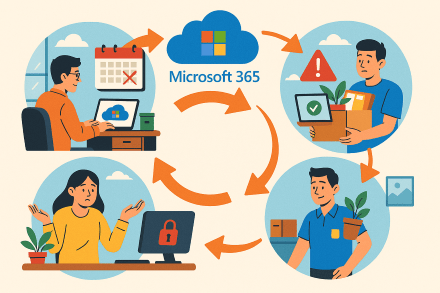



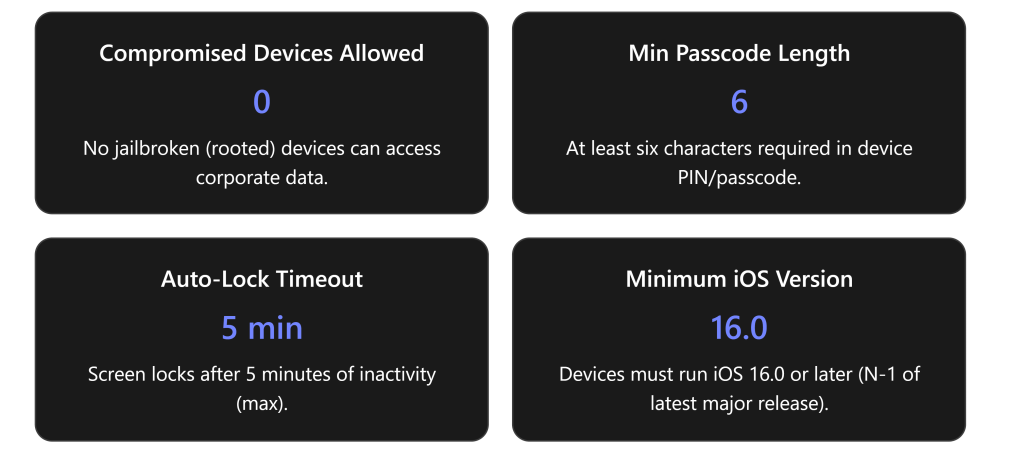
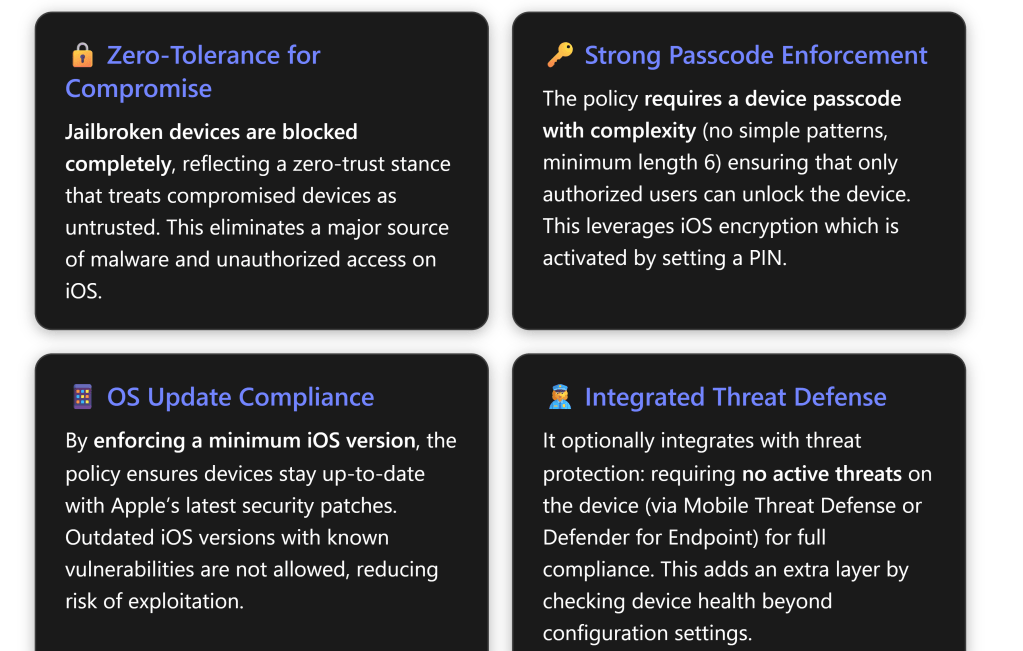



 CIAOPS