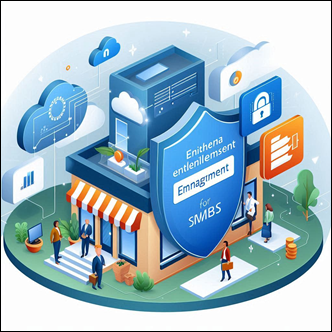
Microsoft Entra Entitlement Management is an identity governance solution that can significantly strengthen security for small and mid-sized businesses (SMBs). It helps organizations control who has access to what resources, for how long, and under what conditions, all through automated workflows and policies[4][1]. SMBs often face challenges like limited IT staff and ad-hoc access processes, which can lead to users obtaining inappropriate access or keeping it longer than necessary[4]. By adopting entitlement management, SMBs can ensure the right people have the right access at the right time in a controlled, auditable manner, aligning with Zero Trust security principles[1]. The following sections explain the benefits of Microsoft Entra Entitlement Management for SMB security and provide a detailed step-by-step guide to configure it for maximum protection, with best practices and citations from official Microsoft documentation.
Key Features of Microsoft Entra Entitlement Management and Security Benefits for SMBs
Microsoft Entra Entitlement Management (part of Microsoft Entra ID Governance) offers a rich set of features designed to automate and tighten access control. These features directly address common SMB security challenges – such as users having inappropriate or outdated access and the overhead of manual approvals – by providing centralized, policy-driven management of entitlements[4][4]. The table below highlights key entitlement management features and how each improves security for SMB organizations:
Feature
Security Benefit for SMB
Access Packages (bundled resources)
Combines all required permissions (groups, apps, SharePoint sites, Teams) for a role or project into one package, making it easy for users to request correct access and harder to acquire unnecessary permissions[4][4]. This ensures users only get access to what they truly need, reducing oversharing of access.
Approval Workflows (single or multi-stage)
Enforces oversight by requiring one or more approvers to vet access requests before granting them[4][4]. Multi-stage approvals (e.g. manager then IT) help prevent unauthorized access by adding checkpoints.
Time-Limited Access (assignments with expiration)
All access granted through access packages can be automatically time-bound so that no user retains access indefinitely[4]. This reduces risk from “access creep,” ensuring permissions expire if not renewed or extended.
Recurring Access Reviews
Enables periodic re-certification of access – reviewers can regularly confirm that each user still needs their access[4][3]. This helps maintain least-privilege access over time and meet compliance requirements for reviewing user access.
Automated Provisioning & Deprovisioning
Supports auto-assigning access based on user attributes or roles, and auto-removing access when those attributes change[4]. For example, if an employee moves departments, their old access can be removed and new access granted without manual intervention, closing security gaps quickly.
External/Guest User Management
Securely onboard partners or contractors by allowing them to request access packages via a controlled process[4]. External users are automatically invited as guests on approval and can be set to auto-remove from the directory when their access expires[4], preventing former partners from lingering in the system.
Delegation to Non-Admins
Allows you to delegate creation and management of access packages to department managers or project owners (without giving them full admin rights)[4]. This relieves IT staff and ensures access decisions are made by those who understand the business need, while still following the security guardrails in policies.
Integration with M365 & Azure AD
Natively integrates with Microsoft 365 groups, Teams, SharePoint, and enterprise applications[4]. This means entitlement management can govern access across cloud apps that SMBs use, and even on-premises apps through Azure AD integration[1]. All access changes are unified under one system, simplifying audits and improving consistency in security controls.
**In summary, these features help SMBs reduce the risk of unauthorized or excessive access by making access *requesting, approval, and removal highly structured and automated*[4]. For example, users can discover what access they can request (solving the issue of not knowing whom to ask), and approved access comes with an expiration date by default[4][4]. Without entitlement management, a small business might grant broad, permanent permissions to users or forget to remove access when people change roles – a major security risk. With entitlement management, *access is granted on a just-in-time and just-enough basis*: only the needed resources, only to eligible users, only for a limited duration[4][4]. Such fine-grained control enforces *least privilege*, a cornerstone of strong security. Moreover, every access event is logged and can be reviewed, which is critical for security monitoring and compliance audits (discussed later)[3][6].
Addressing SMB Security Challenges
SMBs typically face challenges like manual user provisioning, ad-hoc approval processes, and “permission hoarding” (users accumulating access over time). Microsoft Entra Entitlement Management directly addresses these issues:
- Users unsure of what access they need or who must approve – Entitlement management provides a self-service My Access portal where users can see available access packages (pre-defined by IT or department leads) and request what they need without chasing down approvals informally[4][4]. The built-in process routes the request to the appropriate approvers automatically, so the user no longer needs to “find the right person” to grant access. This improves productivity and ensures approval is handled by the correct authority every time.
- Users retaining access longer than necessary – Entitlement management mitigates this by requiring expiration on access assignments. No access is open-ended; if a user still needs access after the duration, they must renew the request (optionally with approval again) or an access review will prompt removal[4][4]. This means SMB IT admins don’t have to manually remember to remove access – it’s handled systematically, reducing the risk of old accounts or former employees having lingering privileges.
- External collaboration complexity – For many SMBs, working with outside contractors or partners is essential, but it introduces security risk. Entitlement management provides a safe framework for external access via connected organizations. For instance, you can allow users from a partner company domain to request an access package; once approved they are automatically added as a guest in your directory and given only the resources in that package[4]. When their need is over, the system can automatically remove their guest account if it’s no longer required[4]. This addresses the common problem of forgetting to disable external accounts. It lets SMBs collaborate confidently, knowing that external access is tightly scoped and temporary by design.
- Limited IT resources and inconsistent processes – Because entitlement management automates and centralizes access provisioning and governance, it reduces the workload on a small IT team[2]. All access packages follow a standard policy format, and approvals/notifications are handled by the system. Microsoft’s own IT found that moving to Azure AD entitlement management “centralized access provisioning and freed up resources” by linking entire sets of resources to single role-based packages[2]. For an SMB, this means fewer ad-hoc manual permissions and fewer errors. Onboarding a new hire or offboarding a departing employee becomes much faster and more reliable – “both onboarding—and equally importantly, offboarding—are managed via a single policy with built-in approval processes”[2], as one case study noted. Consistency in how access is granted or removed improves the organization’s security posture overall.
By solving these challenges, entitlement management empowers SMBs to implement enterprise-grade access controls without needing a large IAM (Identity and Access Management) team. It instills discipline in how access is granted, reviewed, and revoked, greatly reducing common security gaps such as orphaned accounts, unnecessary privileges, or unknown access by outsiders[4][4].
Prerequisites and Initial Setup
Before configuring Microsoft Entra Entitlement Management for your organization, there are a few prerequisites and setup steps to address:
- Licensing Requirements: Ensure that your SMB has the appropriate Microsoft Entra (Azure AD) license. Entitlement management is a premium feature that requires Microsoft Entra ID P2 or Microsoft Entra ID Governance (or a bundle like Enterprise Mobility + Security E5)[7]. Without one of these licenses in your tenant, you will not have the entitlement management features available. Verify your licenses and assign them to the administrators who will configure these settings.
- Administrative Roles: You should have the right admin role to configure Identity Governance. The account performing setup must be a Global Administrator or an Identity Governance Administrator in Entra ID[7]. Microsoft recommends using a least-privileged role, so consider assigning the Identity Governance Administrator role to whoever will manage entitlement management (instead of using the full Global Admin account)[7]. This role can create access packages, catalogs, and policies. In larger organizations, there are also roles like Catalog Owner and Access Package Manager for delegated management, but initially a global or governance admin will set things up.
- Access to Admin Portals: The configuration is done in the Microsoft Entra admin center (formerly Azure AD admin center). Make sure you can access the Entra admin portal with your admin credentials. Additionally, familiarize yourself with the My Access portal (https://myaccess.microsoft.com) which end-users will use to request access packages. No separate install is needed; this portal is automatically available once entitlement management is enabled, but you might want to bookmark it and perhaps inform users how to reach it later.
- Plan Your Access Governance Strategy: Before diving into creation of access packages, it’s wise to identify which resources and applications you want to govern with entitlement management and how. For SMBs, start by targeting high-value or sensitive resources – for example, finance systems, admin-sensitive groups, or any resource where strict control is needed (or where you currently experience many access requests/tickets). Determine the groups, teams, SharePoint sites, and apps that will be included, and who the typical users are that need access. Also decide who should approve requests for those resources (e.g. the resource owner or the requester’s manager). Having this plan will make the configuration smoother.
With prerequisites in place, you can proceed to configure entitlement management. The next section provides a step-by-step guide.
Step-by-Step Configuration Guide for Maximum Protection
Below is a step-by-step walkthrough to set up Microsoft Entra Entitlement Management in a way that provides maximum protection for your SMB environment. This guide assumes the prerequisites (licensing and admin role) are already satisfied:
Step 1: Enable Identity Governance and Access the Entitlement Management Blade
Sign in to the Microsoft Entra admin center as an Identity Governance Administrator or Global Administrator[7]. In the portal, navigate to “Microsoft Entra ID -> Identity Governance -> Entitlement Management”. This is the area where you will create and manage Access Packages. If this is your first time here, the feature will initialize a default catalog (called “General”). Ensure that the Identity Governance features are enabled for your directory (with the correct license, the portal will allow you to proceed; otherwise you may see an access denied message until a P2/Governance license is present)[7].
Step 2: Set Up an Access Package Catalog (if needed)
Access packages are organized into catalogs, which are containers for resources. By default, a General catalog is available, and you can use that to get started. For a simple SMB deployment, the General catalog is fine to hold all your access packages. (Optionally, you can create separate catalogs to delegate management to different departments in the future.) Make sure the resources you plan to include (groups, teams, apps, sites) are enabled and present in your Azure AD/Microsoft 365 tenant. For example, if you plan to manage access to a SharePoint site or a specific group, have those created or identified beforehand. You may also want to tag or name resources clearly so they are recognizable when adding to packages.
Step 3: Create an Access Package
In the Entitlement Management section, go to “Access Packages” and click “+ New access package”[7]. Give the access package a Name and Description that clearly indicate its purpose (e.g., “Finance App Access” or “Project Falcon Collaboration Package”)[7]. Choose which catalog it belongs to (use General or another if you created one). An access package is essentially a bundle of one or more resources with a set of policies governing access to them.
Step 4: Add Resources to the Access Package
On the “Resources” or Resource Roles tab (depending on portal UI), select the resources and roles to include in this package. You can add:
- Groups and Teams: e.g., a Microsoft 365 Security group or M365 Group that controls access to certain apps or data[4]. (Adding a Team will include the underlying M365 Group.)
- Applications: enterprise applications registered in Entra ID (including Azure AD-integrated SaaS apps) and choose the app role that users should get[4].
- SharePoint Online sites: you can specify a SharePoint site and a role (typically you might use group membership to manage SharePoint permissions)[4].
Select all that apply. For example, if this package is for a project, it might include a Teams channel (via its M365 Group membership), a SharePoint project site, and access to an internal application — all of which are needed by project members. By bundling them in one package, a user can request one thing to get all needed permissions. After selecting each resource, you may need to specify the permission level (for instance, whether the user will be a Member or Owner in a group, or a Reader vs. Owner on a site). Tip: You can include Azure AD roles or Azure resource roles indirectly by using groups: for instance, add a group into the package that is assignable to an Azure AD role (like a role-assignable group for an admin role) or that is used for Azure RBAC on subscriptions[4][4]. This way, entitlement management could even govern some admin access if needed, though for highly privileged roles, consider using Privileged Identity Management (PIM) as well.
Step 5: Configure Access Package Policies (Eligibility, Approval, and Expiration)
This is the critical step for security – defining who can request access, how they get approved, and how long the access lasts. Each access package can have one or more policies. At minimum, you will have one policy for internal users (employees). You can also set additional policies if, for example, you want to allow external users from a partner to request the same package under different rules. When configuring the policy, pay attention to these settings for maximum protection:
- Allowed Requestors (Eligibility): Define the users or groups who are eligible to request this access package[4]. For an internal policy, you might choose “All users in your directory” or a specific subset (like only users in HR department can request a Finance package). For an external policy, you will select a Connected Organization (see step 6) or allow all guest users. Restrict eligibility as much as possible to avoid inappropriate requests. For example, if only sales team members should ever need this access, limit eligibility to a sales security group.
- Approval Requirements: Decide if approval is needed and by whom. For stronger security, require at least one approval for access requests, especially for sensitive resources[4][4]. You can designate one or multiple approvers — options include the requestor’s manager, or specific users/group (like a resource owner). You can even set up multi-stage approval (e.g., manager first, then data owner) for highly sensitive access[4]. While approval can be set to “auto approve” for low-risk scenarios, an SMB will typically want someone to validate new access. Configure the workflow so that the appropriate person gets an email (or Teams notification if enabled) to approve the incoming requests.
- Assignment Duration (Expiration): Always set an expiration for the access to enforce the principle of least privilege[4][4]. You can choose duration in days (e.g., 30 days, 90 days, or a custom period). For ongoing needs, it’s common to allow 90 or 180 days, after which the access is removed unless re-requested. For short-term project or contractor access, you might choose a shorter window (even 14 days or 30 days). Entitlement management will handle the removal of access when the time is up, ensuring users don’t retain access indefinitely[4].
- Extension & Renewal: Decide if users can request an extension or must re-apply after expiration. Allowing extensions (with approval) can reduce friction for long-term projects. If security is paramount, you might require re-request from scratch to force re-evaluation of need.
- Require Access Reviews: Enable access reviews for the assignments if appropriate[7]. In the policy settings, you might see an option to require a periodic access review for active assignments. If enabled, this will periodically prompt a designated reviewer to confirm each user’s continued need for access. For example, you could require a review every 30 days for a highly sensitive admin access package. If the platform doesn’t have this in policy (in older versions, it might not), you can separately set up a recurring access review (discussed later). The key best practice is: configure some mechanism to regularly re-certify access.[4][3]
- Additional Settings: If available, consider enabling just-in-time access (for Azure AD roles via PIM) or on-behalf-of requests (managers request for their employees) if those fit your scenario[7]. These are optional – for SMB security, the main concern is ensuring every request goes through proper approval and expires, which we have covered.
Once you define these, create (save) the policy. You can have multiple policies per package (for example, one policy that allows internal employees with manager approval, and another that allows a specific partner organization’s users with two levels of approval). Each policy in effect creates a different path to get the same access package. Make sure to configure all intended policies before finalizing the package.
Step 6: (Optional) Configure Connected Organizations for External Users
If your SMB needs to provide access to users from outside your tenant (e.g., a partner, vendor, or subsidiary organization), you should set up a Connected Organization in entitlement management. A connected organization in Entra ID Governance represents an external directory or domain whose users can be invited. Go to “Connected organizations” in the Identity Governance section and add a new connected organization, specifying the domain name of the partner (or simply a name and the email identities of external users you anticipate). This helps you manage external user identities and their sponsorship. You can then use this connected organization in an access package policy’s requestor scope[4]. For instance, you might allow “users from ConnectedOrg X” to request the package under certain approvals. The benefit is that any external user who comes in via that policy will automatically be set up as a B2B guest in Azure AD (no need to pre-create them)[4], and when their access is removed, their account can be cleaned up if not needed elsewhere[4]. Note: If your external collaborators are just a handful of individuals, you can also invite them manually as guests first; but using entitlement management for the whole process is more seamless and auditable.
Step 7: Test the Access Package Request Process
After creating the access package and its policy/policies, it’s important to validate that it works as expected. Microsoft Entra provides the My Access portal for end-users to request access. Copy the My Access portal link for your new access package from the Access Package overview blade[7]. This link is a user-facing URL that you can send to users, or they can find the package by signing into the My Access site and browsing available packages. Perform a test by signing in as a typical user (for example, have a non-admin test account that is eligible for the package) and submit a request for the access package[7]. Provide a justification if required. Then, sign in as the designated approver to confirm that you received the approval request (check email or the Entra admin portal under pending requests). Approve the request. After approval, verify that the user was granted all the access: for example, check that the user is added to the group(s) and has access to the app or site included[7]. This confirms your configuration is working. If the process is auto-approval, simply verify the user got access immediately after requesting. Also check that the expiration date is set on the assignment (in the Access Package’s “Assignments” tab you can see when the user’s access will expire) – it should reflect the duration you set[7][7].
Step 8: Implement Ongoing Access Reviews and Revocation
To maximize security, don’t “set and forget” your access packages. Even though each assignment will expire, users might renew or multiple people might request the same package over time. It’s important to periodically review who currently has access. If you enabled Access Reviews within the package policy, the system will handle prompting reviewers at the interval you set[7]. If not, you can create a separate access review (in the Identity Governance -> Access Reviews section) targeting either the group or application that was granted. Set up a recurring review (e.g., monthly or quarterly) for the resources governed by the access package[3]. For instance, review the membership of the “Finance App Access” group every month. Assign the review to the resource owner or the users’ managers for certification. This ensures that if someone no longer needs access (perhaps they changed roles or the project ended early), a reviewer will flag and remove them. Microsoft Entra Access Reviews can even automate the outcome, such as removing users who don’t respond or who are denied by reviewers[3]. Delegating reviews to business owners or managers is a best practice – those individuals can best judge if an access is still necessary[3]. By scheduling regular reviews, you maintain a strong security posture over time, catching any drift in permissions.
Step 9: Monitor and Adjust
After deployment, use Entra’s monitoring and reports to keep an eye on how entitlement management is being used. In the Entra ID Audit Logs, you can see every access package request, approval decision, assignment, and removal recorded[6]. Verify that assignments are indeed being removed on expiration. If you find many users frequently requesting the same access, that might be normal, but also consider if your default assignment duration is too short (causing unnecessary churn) or if a certain access could be granted in a different way. On the other hand, if you see assignments that are constantly extended, ensure that’s justified or consider longer initial duration but with an access review in place. Adjust access package policies as needed: you can edit the package to add new resources (if the project scope expands) or remove resources that are no longer required. You can also refine the eligible users or change approvers if the business ownership shifts. Entitlement management is flexible – you can update policies on the fly to adapt to your organization’s changing needs.
By following these steps, an SMB can configure entitlement management such that every access grant is deliberate, documented, and temporary, greatly reducing security risks. The system will handle routine enforcement (like removing expired access), freeing administrators to focus on overseeing exceptions or improvements rather than executing every change by hand.
Access Reviews: Best Practices for Ongoing Security
Access Reviews are a complementary feature in Microsoft Entra ID Governance that work hand-in-hand with entitlement management to maintain security over time. Best practices for configuring access reviews in an SMB environment include:
- Schedule Regular Reviews: Establish a cadence (e.g., monthly for high-risk apps, quarterly for standard access) to continuously validate active access[3]. Regular reviews help discover any permissions that are no longer needed, such as those of former employees or changed roles.
- Scope Reviews Appropriately: Start with critical resources – for example, review access to financial data or administrative groups first. You can gradually expand to reviewing all access packages or all guest users over time. Microsoft Entra allows reviews of guest user access across M365, which is highly recommended since external accounts can pose extra risk if left unchecked.
- Choose the Right Reviewers: Assign reviews to people who can judge necessity of access. Often this is the resource owner or the user’s manager. Entra ID can also enable self-attestation (users confirm they still need access) which can be combined with manager oversight[3]. In a small company, an IT admin might do all reviews, but it’s more effective to involve business stakeholders for accuracy.
- Automate Outcomes: Take advantage of Entra ID Governance capabilities to auto-remove access if a review isn’t completed or if a reviewer denies continued access[3]. This ensures that the review process has teeth – if someone forgets to review, the system can remove the access by default, which is safer than leaving it by default.
- Use Recommendations: Azure AD (Entra) Access Reviews can provide AI-based recommendations (for example, suggesting users who haven’t signed in for 60 days be removed). These insights can speed up the review process. While SMBs might not have large datasets for AI, consider any “inactive user” suggestions from the system as strong candidates to remove.
- Document and Audit Reviews: Keep track of review results. The history of who approved or denied access is logged and can be exported for auditors, which is important for compliance reporting[3]. If your industry has regulations requiring periodic certification of access (such as SOX, ISO 27001, or HIPAA), these records will serve as evidence of compliance[3].
- Adjust Review Frequency Based on Risk: Not all access is equal. If a particular access package consistently has its access affirmed and rarely changes, you might scale back frequency. Conversely, if a certain area has a lot of turnover, do more frequent checks. The goal is to catch issues early without causing “review fatigue” by over-reviewing stable areas.
By applying these practices, SMBs ensure that entitlement management doesn’t become “set it and forget it” but remains a living process that adapts to the business. Access reviews are essentially a safety net that catches any access that may no longer be appropriate, providing an extra layer of security over the automated expiration alone.
Monitoring and Reporting
A strong security configuration isn’t complete without monitoring and visibility. Microsoft Entra Entitlement Management provides comprehensive audit logs and usage reports so you can monitor who requested what, who approved it, and when access was granted or removed. All these events are recorded in the Microsoft Entra ID audit logs[6]:
- Audit Trail of Access Changes: Every creation of an access package, every request submission, each approval or denial, and each assignment (and revocation) is logged with timestamp and actor information. This means administrators can always go back and trace, for example, who approved a certain contractor’s access or when a user’s membership in a group was removed[6]. These logs are invaluable for investigating incidents or responding to auditor questions. For SMBs with limited IT staff, having an automatic record saves time compared to maintaining manual change logs.
- Integration with SIEM and Alerts: Microsoft Entra’s logs can be integrated with security tools like SIEM (Security Information and Event Management) systems. Using Entra’s diagnostic settings, you can route the logs to Azure Monitor, Microsoft Sentinel, or third-party SIEMs like Splunk for centralized analysis[6]. This allows you to set up alerts — for instance, you could trigger an alert if an unusually large number of access requests are approved in a short time, or if someone adds themselves as an approver. Consolidating identity logs with other security logs (firewall, endpoint, etc.) gives a fuller security picture. Microsoft provides out-of-the-box connectors (data connectors for Azure AD) to make this integration straightforward.
- Access Package Insights: Within the Identity Governance interface, you can view the list of current assignments for each access package (who currently has access), as well as pending requests. Regularly reviewing these in the portal can help spot anomalies (e.g., seeing an unexpected name in a highly sensitive access package). There is also a feature called “entitlement management dashboard” (in preview at the time of writing) which gives an overview of governance posture – for example, how many users have access via packages, how many access reviews are active, etc. This can be useful for at-a-glance health checks.
- Reports for Compliance: You can export lists of who had access to what and when they were removed. If an auditor asks “who had access to finance data in Q1?”, the combination of access package assignment reports and access review results can answer that. The logs show the lifecycle of each access: requested on this date, approved by X, expired (or removed) on that date[7][7]. Since audit logs are retained for a limited time by default (usually 30 days in Azure AD), consider exporting or feeding them to a log archive for long-term retention if needed for compliance (this is where an Azure Storage or SIEM integration helps, to keep data for months/years)[6].
- Monitoring User Activity: Beyond entitlement management-specific logs, remember that general Sign-in logs and risky sign-in detections in Entra ID are also available for monitoring user behavior. These can complement entitlement management: for example, if you see a risky sign-in for a user who has privileged access via an access package, that might warrant immediately reviewing or suspending their access.
For a small or mid-sized business, it’s often feasible for the IT admin or security officer to review logs periodically (e.g., weekly) to spot any irregular access patterns. You might also set up email alerts for certain events (using Azure Monitor alerts on the logs). The key point is: Microsoft Entra provides full visibility into entitlement management actions, so you’re never in the dark about how access is being granted and used[6]. This monitoring capability greatly enhances security, as you can detect potential misuse (like someone approving access they shouldn’t) and ensure the system is functioning as intended.
Compliance and Regulatory Considerations
For many organizations, especially in regulated industries, controlling and auditing access isn’t just a security best practice – it’s a compliance requirement. Microsoft Entra Entitlement Management helps SMBs meet various compliance and regulatory obligations by implementing structured access governance:
- Demonstrating Least Privilege & Need-to-Know: Frameworks like ISO 27001, NIST, HIPAA, GDPR, and others expect that users are given the minimum access required and that access to sensitive data is restricted. Entitlement management inherently enforces least privilege through granular access packages and approvals. The fact that access expires and must be re-certified means the organization can demonstrate that it does not grant open-ended access[4][3]. If an auditor asks for proof that only authorized individuals can access a certain system, you can show the access package policy and its current assignments as evidence, as well as the approval records.
- Periodic Access Certification: Regulations often require periodic reviews (sometimes called recertification or attestation) of user access rights, especially for high-risk systems. The Access Reviews feature, as discussed, meets this need. You can generate reports from completed access reviews to show that, for example, every quarter the finance group membership is reviewed and signed off by the finance manager[3]. This satisfies auditors that a control is in place to regularly check who has access to financial data.
- Audit Trail and Accountability: Because every action is logged, you have an audit trail to satisfy requirements like SOX (Sarbanes-Oxley) which demand tracking of access changes and the ability to hold individuals accountable for approvals. For instance, if a compliance auditor wants to know who approved a certain user’s access to a confidential folder, you can retrieve the request’s approval history from the logs[6]. The logs can answer “when was access granted and by whom,” which is critical for investigating any incidents as well.
- Separation of Duties (SoD): Some standards require ensuring no single individual can accumulate conflicting privileges (for example, someone shouldn’t be able to both submit and approve their own financial transaction). Entitlement management can help enforce SoD by using its access package design: you can mark certain access packages as incompatible with each other (via the Microsoft Graph API or portal settings)[5]. Also, the approval workflow itself can ensure the requester’s manager (or other independent party) is involved whenever access is elevated. Microsoft’s identity governance guidance highlights using access packages and reviews to ensure that “conflicting access can’t occur with separation of duties” controls[1].
- Compliance Reporting: Many SMBs need to report compliance status in areas like user access management. By leveraging the built-in capabilities, you can show that you have a formal access provisioning process (via entitlement management) and a formal access review process (via Access Reviews). This goes a long way in satisfying sections of standards related to access control (for example, ISO27001 A.9 Access Control, or PCI-DSS requirements on least privilege and account reviews). In effect, entitlement management acts as an internal control for user access. It can significantly reduce the cost and effort of yearly or quarterly compliance audits, since reports can be pulled rather than compiled manually.
In summary, Microsoft Entra Entitlement Management provides structured, repeatable, and auditable processes that help SMBs not only improve security but also meet compliance obligations with less hassle[3]. Regular use of these features keeps you prepared for any access-related audit, and protects your business from the fines or risks of non-compliance by ensuring proper access governance is always in place.
Integration with Other Security Tools and Platforms
Microsoft Entra Entitlement Management is not a standalone island; it integrates smoothly with your broader IT and security ecosystem, which is especially beneficial for SMBs that need their tools to work in concert due to limited resources:
- Integration with Azure AD/Microsoft Entra Ecosystem: Since Entitlement Management is a native part of Microsoft Entra ID, it works with all the Azure AD features SMBs might already use. For example, it complements Conditional Access policies (you manage who can get access via entitlement management, and conditional access manages how they can log in to use that access, perhaps requiring MFA or compliant devices for those users). It also ties into Privileged Identity Management (PIM) for scenarios where you include Azure AD roles in access packages – PIM can require just-in-time activation of those roles, adding another layer of security. All these identity services live under Entra and share the same user directory, making integration seamless.
- Hundreds of Integrated Apps: Microsoft Entra ID supports single sign-on and provisioning to thousands of SaaS applications. Entitlement Management can include any of those enterprise applications in an access package. This means if your SMB uses, say, Salesforce or Dropbox in addition to Microsoft 365, you can manage access to those third-party apps through the same access packages. Microsoft provides many pre-built app connectors and supports federation/SCIM for user provisioning to external apps[4][1]. Therefore, entitlement management isn’t limited to Microsoft-only products; it can be your one-stop shop for access requests to virtually any app your business relies on.
- On-Premises and Legacy Systems: Via Azure AD, entitlement management can indirectly manage on-premises app access too. If you have Azure AD Connect syncing to a local AD, or if you publish on-prem apps via Azure AD App Proxy, those accesses often still tie to AD security groups. Since entitlement management can manage Azure AD security group membership, a package could be used to govern an on-prem file share or legacy application access (through group membership). Additionally, the new Entra Private Access (a Zero Trust network access tool) scenario shows using entitlement management to grant access to internal apps in a modern way. Essentially, cloud-based entitlement management can reach back to your on-prem environment when it’s integrated with Entra ID.
- SIEM/SOAR Integration: As mentioned in monitoring, the ability to send audit logs to SIEM tools means entitlement management events can be part of your centralized security operations. For example, an SMB using Microsoft Sentinel can create incidents if an anomalous pattern of entitlement changes occurs. Or if using another SIEM, the audit data can be ingested via an API or Azure Event Hubs[6]. This integration is key for organizations looking to have automated responses – e.g., a SOAR (Security Orchestration Automated Response) playbook could remove a user’s access package assignments automatically if that user is flagged as high-risk by another system.
- IT Service Management (ITSM) Integration: Some companies integrate identity requests with IT ticketing systems like ServiceNow. While Entitlement Management provides its own user-facing portal (My Access), it also exposes APIs via Microsoft Graph[5]. An SMB with development capability could use Graph API to programmatically handle access package requests or tie them into an existing helpdesk portal. For instance, an in-house portal could call the Graph to create an accessPackageAssignmentRequest for a user, or a Power Automate flow could be created to trigger when a new employee is added by HR, automatically assigning them an onboarding access package. This kind of integration can further streamline processes by connecting entitlement management with HR systems or other business workflows.
- Microsoft Teams and Email Notifications: By default, entitlement management uses Azure AD’s notification system to send emails for request approvals, etc. This ensures approvers (and requestors) are kept in the loop. Additionally, adaptive cards in Teams can be enabled so that approvers can approve directly from a Teams message rather than email. This isn’t a separate product integration per se, but it leverages the productivity tools SMBs use daily, reducing friction in the approval process.
- Cross-Organization Collaboration: If your SMB is part of a consortium or multi-tenant setup, entitlement management can be used in multi-tenant scenarios through Azure AD B2B. For example, if you manage multiple tenants (say one for production and one for development or a partner tenant), you can set up connected organizations pointing to the other tenant and manage cross-tenant access with the same policies. This way, you integrate identity governance across organizational boundaries.
Overall, Microsoft Entra Entitlement Management is designed to integrate and enhance your existing identity and security strategy, not replace it. It works alongside Conditional Access, PIM, and your monitoring tools to create a comprehensive security environment. By integrating with both cloud and on-prem apps[1], it helps SMBs unify access management under one umbrella. This unified approach means fewer gaps for attackers to exploit and a more coherent security posture.
Use Case: Remote Work and External Collaboration
In today’s remote work era, SMBs often have employees and contractors working from anywhere. Entitlement management plays a key role in securing remote access and enabling collaboration without sacrificing control:
- Self-Service Access from Anywhere: With users often off-site, you can’t rely on in-person IT support to grant access. The My Access portal gives remote users a web interface to request the resources they need, 24/7. For example, a new remote hire can request the “New Employee Onboarding” access package which might give them accounts and permissions to begin work. This reduces delays and allows people to be productive quickly, while still enforcing approvals. Importantly, because the process is online and accessible globally, distance or time zone doesn’t hinder proper approval workflows. An approver could be traveling and still receive an email or Teams notification to approve a request securely.
- Integrated Multi-Factor Authentication (MFA): Entitlement management is part of Entra ID, so all access it grants is still subject to your tenant’s security policies. If you require MFA for accessing certain apps or for guest users, those policies will apply. Thus, a remote user requesting access might authenticate with MFA to prove identity, then get their access package. This aligns with Zero Trust — always verifying identities and devices when granting access.
- Secure External Sharing: Instead of emailing documents back and forth, SMBs can use entitlement management to grant business partners access to internal Teams or SharePoint sites in a governed way. During the pandemic and beyond, many businesses formed virtual teams with outside consultants. Using an access package for “Project X External Collaborators”, for instance, ensures those externals can only see Project X’s team and files, and only for the timeframe of the contract. It also spares IT from having to constantly add and remove guest accounts manually. Everything is done via the standard entitlement workflows, which can be initiated remotely by the partner (with the appropriate approvals on your side). This greatly reduces the risk of oversharing data with external parties and ensures temporary collaboration instead of permanent access.
- Zero Trust Network Access (ZTNA) tie-in: Microsoft’s Entra suite includes Entra Private Access which allows secure remote access to internal apps without VPN. A scenario published by Microsoft shows using entitlement management to distribute access to those private apps in a Zero Trust manner. Essentially, a remote user can request access to an internal web app; once approved via entitlement management, Entra Private Access ensures they can reach that app securely from anywhere without exposing it publicly. For an SMB, this means you can provide remote access to on-premises resources (like an old HR system) through a modern, policy-driven method, avoiding shared VPN passwords or always-on network access. Each user gets only the app access they requested, nothing more.
- Monitoring Remote Access: The audit and sign-in logs let you keep an eye on remote user activities. If an external user who was given access hasn’t signed in at all, that might prompt outreach or removal as part of an access review. If a remote user’s account shows risky sign-in flags, you can quickly disable their assignments. Entra ID’s identity protection signals work alongside entitlement management to guard remote accounts.
In essence, entitlement management enables “secure remote work by design.” It provides the scaffolding to allow employees and partners to get what they need from wherever they are, but strictly on an as-needed basis with full traceability. This helps SMBs embrace flexible work arrangements and partnerships without opening up security holes. By leveraging these tools, even a small business can apply enterprise-level controls to a workforce that operates entirely online.
Best Practices and Common Pitfalls to Avoid
Successfully implementing Microsoft Entra Entitlement Management requires not just following the steps, but also adhering to best practices and being mindful of potential pitfalls:
Best Practices:
- Start Small and Expand: When first rolling out entitlement management, start with a single department or project as a pilot. This allows you to refine your processes and settings on a smaller scale. Gather feedback from the users and approvers involved, then expand to other areas of the business.
- Clearly Define Access Packages: Each access package should have a clear purpose and owner. Avoid mixing too many unrelated resources into one package. If a package starts serving too many purposes, consider splitting it. Well-scoped packages (e.g., one per department or one per project) are easier to manage and review.
- Enforce Least Privilege: Only include in the package the resources and roles a user truly needs. For example, if users only need read access to a SharePoint site, don’t add edit permissions or broader group memberships unless necessary. The principle of least privilege limits damage if an account is compromised.
- Use Descriptive Names and Descriptions: This might seem minor, but using intuitive names for catalogs, packages, and policies (with good descriptions) is very helpful. It ensures that approvers and users understand what is being requested. For instance, a package named “ Guest Access – ReadOnly” is clear in intent. This reduces the chance of mistakes and speeds up approvals.
- Train Your Users and Approvers: Take time to educate employees about the new access request process. Show end-users how to use the My Access portal. Likewise, train approvers on how to approve requests (via email link or Teams or the Entra portal) and what criteria to consider. When people understand the system, they are less likely to bypass it or delay actions. Emphasize that this system will make their jobs easier while keeping the company secure.
- Regularly Review Access Package Contents: Over time, the resources or needs may change. Set a reminder (perhaps annually) to review each access package’s content and policies. Remove any resources that are no longer needed or update approvers if staff roles changed. This housekeeping ensures the packages remain effective and relevant.
- Combine with Other Identity Governance Features: Use Lifecycle Workflows (if available in your license) to automate user onboarding/offboarding signals to entitlement management – for example, automatically assign an “Onboarding” access package when a new hire’s account is created by HR, then automatically remove it after 30 days when they’ve settled in. Also, use Privileged Identity Management for any highly privileged roles rather than giving permanent role access via entitlement management. The two systems can coexist: entitlement management for eligibility (who could potentially activate a role), and PIM for the actual activation with just-in-time elevation.
- Test in a Sandbox: If possible, test configuration changes in a development or test Azure AD tenant (or with test users) before applying to production. This is especially important if you automate via Graph API or PowerShell scripts – you want to be sure your automation does exactly what you expect.
- Keep an Eye on License Counts: Premium features mean you need licenses for the users benefiting from them. If you plan to extend access to many guest users, note that Azure AD B2B guests can generally be invited without extra cost up to certain limits, but if those guests leverage premium features, Microsoft’s licensing guidelines suggest having some ratio of licenses. Review Microsoft’s guidance on Azure AD External identities licensing to ensure compliance.
Common Pitfalls to Avoid:
- Pitfall: Too Broad Eligibility. A common mistake is making an access package available to “All users” when only a subset needs it. If it’s too broad, users might request access out of curiosity or confusion. This leads to unnecessary approvals and potentially granting access to someone who shouldn’t have it. Solution: Use groups or attributes to narrow eligibility whenever possible.
- Pitfall: Ignoring Expiration and Reviews. If you set packages to never expire or don’t conduct reviews, you defeat much of the purpose of entitlement management. Then access might accumulate just like before. Solution: Always use expiration unless there’s a very compelling reason not to, and leverage at least annual reviews for long-lived access.
- Pitfall: One Approver for Their Own Requests. Be careful not to configure a policy where the only approver might be the requester’s manager, but the requester is the head of the department – in that case their request might go to themselves! This could happen in a small org where the CEO is requesting something and the policy says “manager approves” (CEO has no manager in the system). Solution: Have a fallback or a different approver (e.g., a secondary approver or require an IT admin in those cases). Test various scenarios of the org chart to adjust policies.
- Pitfall: Not Monitoring Usage. Setting up is great, but if you never look at the outcomes, you might miss things like an approval that was improperly granted. Solution: Use the monitoring capabilities. For instance, if an access review shows someone repeatedly extending access beyond what policy intended, maybe that access should be granted permanently in a different way or the policy adjusted. If certain packages have no requests at all, maybe they aren’t needed.
- Pitfall: Forgetting to onboard new admins to the process. If the person who set up entitlement management leaves or changes roles, and nobody else knows how it works, the system could fall into disuse or disrepair. Solution: Document your configuration and ensure at least two admins are familiar with managing entitlement management. Microsoft’s documentation is extensive, but internal notes about your specific implementation (like “Finance package requires CFO approval”) are useful.
- Pitfall: Overloading a Single Package. Trying to put “everything” into one package for one user role can make approvals harder (because many system owners might need to sign off) and reviews more complex. Solution: It can be better to have a couple of smaller packages than one giant one if the resources have different owners. For example, instead of one package for “All IT access” that requires the networking team, server team, and app team all to approve, create separate packages for each domain of access.
- Pitfall: Not leveraging delegation. Some SMB IT admins might be hesitant to let others manage access packages and end up a bottleneck. Solution: Use the delegation feature safely – you can make a department manager an Access Package Manager for their catalog, meaning they can create and adjust packages only in their scope[4]. This distributes the workload and places decision-making closer to the business need, often improving security by ensuring nuance is understood.
By keeping these best practices in mind and avoiding the pitfalls, SMBs can ensure they get the most security value out of Microsoft Entra Entitlement Management. Remember that the goal is to simplify and secure access management, so continuously look for ways to streamline the process without weakening controls. When in doubt, refer back to Microsoft’s official guidance and tutorials (Microsoft’s documentation includes scenario-based examples and learnings from other customers[4][2]) and adjust your approach as your organization grows.
Continuous Improvement of Security Posture
Identity and access management is not a one-time project but an ongoing discipline. After implementing Microsoft Entra Entitlement Management, SMBs should adopt a mindset of continuous improvement to further strengthen security over time:
- Analyze Trends: Periodically analyze the data from your entitlement management usage. Are certain access packages frequently requested together? Perhaps that indicates you could combine them or create a new bundle for convenience (if it doesn’t violate least privilege). Is a particular approver overwhelmed with requests? Maybe spread out the responsibility or refine eligibility to reduce noise. Use the insights from logs and reports to fine-tune your approach.
- Stay Updated on Features: Microsoft regularly updates Entra ID Governance with new features (for example, enhancements to access reviews with AI, new integration capabilities, etc.). Keeping an eye on Microsoft’s announcements or tech community blogs can alert you to improvements you can adopt. For instance, if Microsoft introduces an easier way to do something you’ve been handling manually (like automatically revoke dormant guest accounts), applying that update will improve your security with little effort.
- Solicit Feedback: Get input from both end-users and approvers on how the process is working. Perhaps users find the request form confusing or approvers want more info in the request (you can add additional questions in access package requests if needed). By improving the user experience, you encourage compliance with the process rather than users seeking workarounds.
- Expand Coverage: Once you have successfully governed the most critical access with entitlement management, consider expanding it to cover more systems and scenarios. Maybe you started with just internal users – you can next tackle external partner access. Or if you’ve only done a few apps, try to bring in more SaaS applications or on-prem legacy apps into the fold so that their access is also governed. The more areas covered by a unified process, the fewer gaps in security. Prioritize expanding to areas that currently might be unmanaged or where you know there’s sensitive data but no formal control.
- Integrate with Joiner/Mover/Leaver Processes: Work with HR or management so that whenever employees join, move, or leave, there’s a touchpoint with entitlement management. For example, for a leaver, ensure all their active access package assignments are removed immediately (this might be manual or automated via a PowerShell/Graph script that HR can trigger). For movers (role changes), plan to have their access packages adjusted to match the new role. Over time, you might achieve a state where an employee’s set of access packages fully corresponds to their role, making onboarding and transition seamless.
- Review and Revise Policies: As the threat landscape evolves, you might tighten policies. For instance, if the business decides that all access to customer data must have two approvers, you can update relevant access package policies to add an extra approval stage. Or if new compliance rules come in (e.g., mandated access recertification every 6 months), adjust your review schedules to comply. Entitlement management is a tool that can adapt to these new requirements without needing a ground-up redesign.
- Measure Impact: Track metrics like number of support tickets related to access before and after implementing entitlement management, or time taken to onboard a user previously vs now. Many organizations find dramatic improvements – Microsoft IT, for example, transformed a manual access process into a “compliant, one-click experience” using Azure AD entitlement management[2]. By quantifying improvements (faster onboarding, fewer mis-provisioned accounts, less excess access), you can demonstrate the value of the system to leadership and justify further investment or maintenance. It also helps identify where more improvement is needed if certain metrics aren’t yet ideal.
Continuous improvement ensures that security governance keeps pace with the business. SMBs are dynamic – people join, leave, businesses pivot – and the identity governance solution should be continuously tuned accordingly. Microsoft Entra Entitlement Management provides a robust framework out of the box, but how you use it can mature over time from basic to truly optimized. By regularly revisiting and enhancing your configurations, you will maintain a strong security posture year after year.
Conclusion: Implementing Microsoft Entra Entitlement Management gives SMBs a powerful way to manage access securely and efficiently. It addresses common security challenges by introducing automated workflows for access requests, approvals, and expiration[4]. By following the step-by-step configuration guide and adhering to best practices, even smaller organizations can enforce principles like least privilege and Zero Trust with relative ease, all while reducing the burden on IT teams. The result is a more secure environment where access to data and applications is tightly controlled, risks of unauthorized access are minimized, and compliance requirements are met through automated processes and audits[3][3]. Through continuous monitoring and improvement, SMBs can adapt this solution to their evolving needs, ensuring that their security posture gets stronger over time. Microsoft Entra Entitlement Management thus empowers SMBs to protect their sensitive assets on par with large enterprises, using intelligent identity governance as a force multiplier for their security strategy.[2][1]
References
[1] Microsoft Entra Identity Governance | Microsoft Security
[2] Using Microsoft Azure AD entitlement management to empower Microsoft …
[3] Plan a Microsoft Entra access reviews deployment
[4] What is entitlement management? – Microsoft Entra ID Governance
[5] Working with the Microsoft Entra entitlement management API
[6] Microsoft Entra activity log integration options – Microsoft Entra ID
[7] Tutorial: Manage access to resources in entitlement management








 CIAOPS