
Most marketing is built on a comforting lie.
That lie is the “nice, neat funnel”.
Awareness.
Consideration.
Decision.
Purchase.
It looks logical. It’s easy to diagram. It makes marketers feel in control.
And it’s almost completely divorced from how people actually buy.
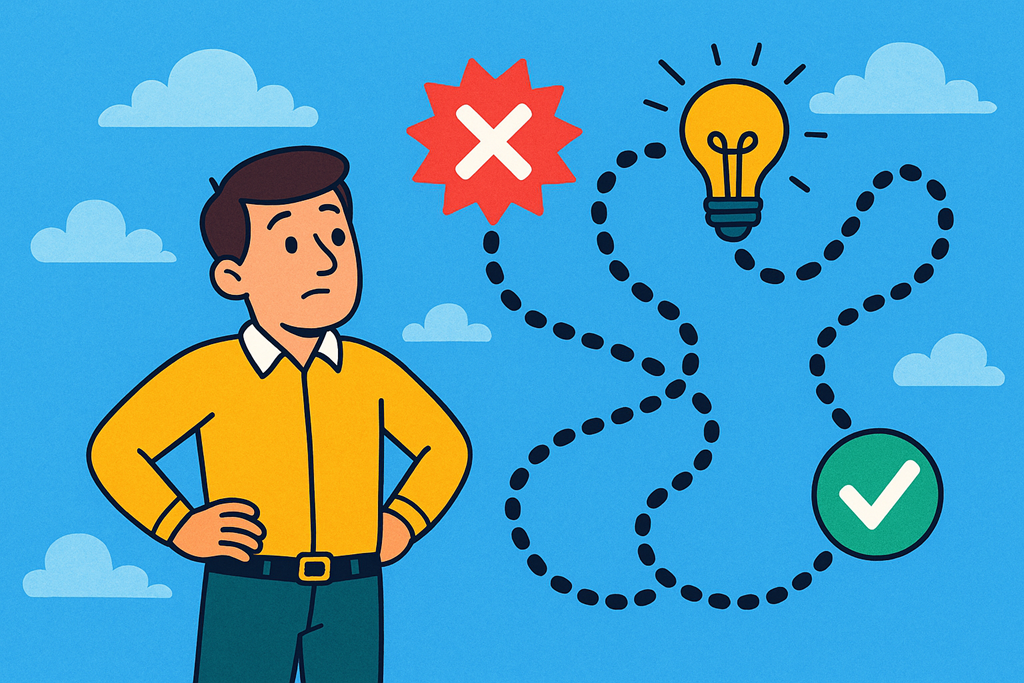
Prospects don’t move in straight lines. They loop, stall, disappear, reappear, second‑guess themselves, ask peers, ignore you for months, then suddenly act. If your marketing assumes linear progress, you’re not guiding buyers—you’re frustrating them.
The problem isn’t your funnel. It’s your assumptions.
Most marketing is designed around how we wish people bought:
- Read the blog
- Download the guide
- Book the call
- Buy the service
But real buyers don’t behave like that. Especially in B2B. Especially in IT.
An MSP prospect might:
- Hear about you on LinkedIn
- Ignore you for six months
- Get hit with a security incident
- Ask a peer in a WhatsApp group
- Re‑read a blog they skimmed months ago
- Watch half a webinar
- Then finally reach out—already 80% decided
If your marketing only supports one “next step”, you lose relevance the moment they step off your rails.
People buy when their timing aligns, not when your campaign says so
This is where most MSP marketing falls apart.
You’re pushing:
- “Book a call”
- “Act now”
- “Limited time offer”
While the buyer is thinking:
- “I need to understand this better”
- “Is this actually a problem for me?”
- “What happens if I do nothing?”
Forcing urgency doesn’t create trust. It creates resistance.
Good marketing doesn’t push people forward. It removes friction wherever they are.
What non‑linear marketing actually looks like
If people don’t buy in straight lines, your marketing shouldn’t either.
That means:
- Content that stands alone (not “part 3 of 7”)
- Clear explanations without requiring prior context
- Repeated ideas from different angles, not “new for the sake of new”
- Easy re‑entry points for people who went quiet
It also means accepting that most prospects will consume far more content than you’ll ever see evidence of.
They’re watching. Reading. Lurking. Evaluating.
Silence does not mean disinterest.
Design for the buyer’s journey, not your sales process
Your sales process is internal. Your buyer’s journey is not.
When you design marketing around your CRM stages, you optimise for reporting—not conversion.
Instead, ask:
- What questions are buyers asking before they talk to us?
- What objections do they have that they’re not voicing?
- What would make them feel smarter, safer, or more confident right now?
Answer those questions—over and over—without demanding anything in return.
Stop trying to control the path
Marketing isn’t about herding people down a funnel.
It’s about being present, useful, and credible whenever the buyer decides to engage.
So stop marketing the way you wish people bought.
Start marketing the way people actually buy: Messy. Non‑linear. On their own timeline.
Your job isn’t to force the journey.
It’s to make sure you’re still relevant when they finally decide to move.

