To receive a FREE copy of my SharePoint Online – Playbook for Small Businesses you’ll need to sign up for, and attend, this months CIAOPS Need to Know webinar:
You can register for the regular monthly webinar here:
One of the challenging things about manipulating SharePoint items with PowerShell was that you need to use PnP PowerShell. I have always found this tricky to get working and connect and it seems things have changed again.
Now when you want to use PnP PowerShell you can only do so using a Azure AD app! This is additionally challenging if you want to do that manually so I modified by free connection script:
to allow the creation of the Azure AD app as part of the process and to also allow you to specify an existing Azure Ad app that was already created by the process as the way to connect. The documentation is here:
but in essence, you run the script the first time and it will create an Azure AD app for you like this:
Subsequent times you can simply use the apps again by specifying the ClientID GUID in the command line to make the connection. If you don’t then the script will create a new Azure AD app. So create an Azure AD app the first time and use that same app going forward I suggest. Of course, consult the full online documentation for all the details.
Hopefully, this makes it a little easier to use PnP PowerShell in your environment.
Managing SharePoint Online permissions is critical for secure and efficient collaboration, but it can be challenging – especially for small and medium businesses (SMBs). SharePoint’s permission system is powerful yet complex, with hierarchical inheritance and numerous sharing options[1]. Many administrators find themselves asking “Who has access to this, and why?” when permissions issues arise[1]. Common scenarios include users getting “Access Denied” errors or, conversely, sensitive content being accessible to unintended people due to misconfigured sharing[2][1]. This report provides an SMB-focused guide to troubleshoot permission issues, check and audit existing permissions, and structure permissions in a way that is easy to maintain. We’ll cover best practices (like using groups and inheritance wisely), recommendations for reviewing permissions, and step-by-step instructions for common permission management tasks.
Common SharePoint Permission Challenges: As highlighted above, typical permission issues include users being mistakenly left without access (or given too much access), confusion from broken inheritance, and limited visibility into current permission assignments. For example, breaking permissions on a folder or file for one person can snowball into many custom exceptions, resulting in an “unwieldy spiderweb” of unique permissions over time[1]. Similarly, overly permissive sharing links (like “Anyone with the link”) can lead to files being forwarded broadly without oversight[1]. SMBs often have lean IT teams, so keeping permissions simple and consistent is key. In the next sections, we’ll outline best practices to preempt these issues and keep your SharePoint Online permissions both secure and manageable.
Best Practices for SharePoint Online Permissions Management (SMB)
Adopting clear permission strategies will prevent many issues before they occur. Below are the top best practices to ensure an easy-to-maintain permission structure, tailored for SMB needs:
• Use Groups for Permissions, Not Individuals:“Granting permissions directly to individual users can make management overly complex over time.” Instead, assign permissions to SharePoint security groups or Microsoft 365 Groups, and then add users to those groups[3]. This centralizes management – you can change a group’s access in one step rather than updating many individual entries. For example, rather than giving 10 people each Edit rights on a site, put them in a “Site Members” group that has Edit permission. SharePoint comes with three default groups per site (Owners, Members, Visitors), which correspond to common role levels (Full Control, Edit, Read)[4]. For communication sites or classic sites, use these built-in groups for assigning access[5]. For team sites connected to Microsoft 365 (Office) Groups, manage access via the group’s membership (Owners and Members) to keep consistency across Teams, SharePoint, and other services[1]. Using groups makes it easier to audit who has access and ensures consistency across your site collections.
• Keep Permissions Inherited at Site Level Whenever Possible: The best practice is to manage security at the site level, not at the individual file or folder level[6]. In SharePoint, subsites, document libraries, and items by default inherit permissions from their parent site. Breaking this inheritance in many places leads to a confusing patchwork of permissions. It’s recommended to grant access at the highest level (site or library) that makes sense for your content[1]. Avoid creating unique per-item permissions unless absolutely necessary. If you must grant an exception (say, a confidential folder within a site), document it and periodically review it[3]. A simpler structure (e.g. whole site or whole library access) is much easier for a small team to maintain than dozens of item-specific rules.
• Leverage Default Roles and Group Memberships: Take advantage of SharePoint’s standard roles: Owners (Full Control), Members (Edit/contribute), and Visitors (Read)[7]. For most SMB scenarios, these cover the needed levels of access. In a Microsoft 365 Group-connected Team site, all group Owners automatically become site owners and group Members become site members[7]. Use that mechanism to manage who can access the site: adding someone to the M365 Group gives them site access, and removing them revokes it, which keeps SharePoint and Teams in sync[1]. For a communication site (which isn’t M365 group-connected), assign users to one of the three SharePoint groups via the Site Permissions panel[7]. Sticking to these default structures means you rarely need to define custom permission levels or unique groups, reducing complexity. Only if a set of users needs a very different level of access than the default groups provide should you create a new SharePoint group or custom role.
• Restrict and Monitor External Sharing: SMBs often collaborate with external clients or partners, but it’s important to control this carefully. Review your SharePoint external sharing settings at both the tenant and site level to match your security comfort level[3]. It’s usually best to avoid “Anyone with the link” sharing in favor of more restricted options. Use “Specific People” links when sharing documents with external users so that only intended individuals can use the link[3]. You can also set expiration dates on external sharing links (for example, 30 days) to prevent indefinite access[1]. In the SharePoint Admin Center, you can define the default sharing link type (e.g. internal only by default)[1]. For each site, consider disabling external sharing entirely if it contains sensitive data that should never leave the organization. Regularly audit external access: SharePoint provides an ability to review files or sites shared externally (for instance, via the “Shared with external users” report in site usage, or using PowerShell) – use these to keep tabs on what’s been shared outside.
• Follow the Principle of Least Privilege: Grant each user the minimum level of permission they need to do their job[6]. In practice, this means, for example, giving read-only access to users who only need to consume information, rather than edit access. Avoid the temptation to give everyone higher privileges “just in case” – unnecessary Full Control or Edit rights can lead to accidental changes or deletions[6]. Especially never put all users in the Owners group; Full Control allows deletion of the site or changing settings[6]. Instead, limit Full Control to a select few administrators. If the built-in roles don’t meet a specific need, you can create a custom permission level (for instance, a role that can edit but not delete items)[3]. SharePoint Online provides five main predefined levels (Full Control, Edit, Contribute, Read, and more) and supports defining custom levels[4]. It’s best to add new custom levels rather than modify the defaults, so you retain a known baseline[4]. In general, start with the lowest necessary access and only elevate if required.
• Review and Clean Up Permissions Regularly: Permissions tend to “drift” over time – people change roles or leave, and content gets reshuffled. Make it a routine to audit your SharePoint permissions on a schedule (e.g. quarterly or biannually)[3]. An admin or site owner should list who currently has access and verify it’s still appropriate. Remove users who no longer need access – for example, if a temporary contractor’s project ended, ensure their permissions (or guest account) are revoked[6]. Office 365’s audit log or third-party tools can help identify when users last accessed content, which is useful for clean-up. Some organizations use scripts or tools to generate permission reports (one example: a tool like DeliverPoint can report SharePoint access rights[3]) – SMBs might not need fancy software, but even a manual review of group memberships and shared links is valuable. Document any unusual permission setups (like if inheritance was broken deliberately) so that the context isn’t lost and can be revisited later[3]. Finally, train site owners or managers on these practices[3]. In an SMB, the person managing SharePoint might also wear other hats; investing a bit of time to understand permission concepts pays off by preventing mistakes.
By adhering to these best practices – using groups, simplifying inheritance, locking down external sharing, least-privilege assignments, and regular reviews – SMBs can maintain a secure yet flexible SharePoint environment that doesn’t require constant firefighting.
Checking and Auditing Existing Permissions
To troubleshoot or maintain SharePoint permissions, you first need to see what permissions are in place. SharePoint Online provides built-in ways to check who has access to sites, libraries, or even individual files/folders:
Site Permissions Page (Site-Level Overview): If you are a site owner, you can view the overall site permissions via Settings (gear icon) > Site Permissions. This will show the three default SharePoint groups (Owners, Members, Visitors) and who is in each group[7]. On modern team sites, it also shows the Microsoft 365 Group membership (Owners/Members). By expanding each group, you can review which users or AD security groups are members. This page also allows inviting new people and will add them to the selected group automatically (e.g. choosing “Read” adds them to Visitors)[7]. For a quick audit, list out the members of each group and ensure they are correct for the site’s purpose.
“Manage Access” Panel (File/Folder-Level Sharing): For individual files or folders, SharePoint’s Manage Access feature shows exactly who can access that item. To use it, navigate to the document library, select the file or folder, and click the “ Manage access” option (often found in the info/details pane or via the context menu). This panel has tabs for People, Groups, and Links[8]:
The Groups tab shows which SharePoint groups have access (and their permission level) inherited from the site. This tells you, for instance, that all members of “Site Members” group can edit the file[8].
The People tab lists any individuals who have unique access to that item (for example, directly shared via the Share dialog)[8].
The Links tab lists any share links that grant access (like anyone-with-link or specific-people links) and who has used those links[8]. This is a convenient way to audit sharing on a specific file/folder: you might discover that a file was shared with a guest external user or via a link open to your whole organization, and then take action to remove or tighten that if needed.
Check Permissions Tool (Effective Access for a User): SharePoint has a built-in “Check Permissions” feature that lets you input a user or group’s name and see what level of access they have and how they have it. To use this, go to the site’s Advanced permissions settings (from Site Permissions page, click the Advanced permissions link, which brings you to the classic permissions page). On that page, click the Check Permissions button, enter the user or group name, and click Check Now[8]. The result will show something like: “User X: has Contribute access via ” or “has access via sharing link”[8]. For example, it might say “Mary has Edit access to this item as a member of Site Members group.”[8] If the user has no access at all, it will show None[8]. This tool is extremely useful to troubleshoot – if a user says they can’t get into a site or file, run Check Permissions on them at the site (or item) to confirm if they are indeed missing permission and, if they do have permission, which group or link is granting it. (It might reveal that they do have access through a group, which means their issue might be elsewhere, like a sync/login problem, or they’re looking at the wrong location.)
Understanding “Limited Access” Entries: When reviewing site permissions, you might encounter a user listed with Limited Access. This status appears when a user has access to a specific item (like a single file or folder) but not to the parent site or library as a whole[5]. SharePoint gives them a behind-the-scenes limited access so they can reach the item. For instance, if you share one document to an external user, that user will show up with Limited Access at the site level. Limited Access by itself isn’t a full permission level — it’s a placeholder that allows the unique permission on the item to function. If you see many users with Limited Access, it’s a sign that there are lots of item-level shares; you might review those to ensure they’re all still needed. You can click “Show users” next to the limited access message to see which items are shared uniquely[5].
Audit Logs and Reports: Office 365 provides audit logging that can capture permission changes and access events. An admin (with appropriate roles) can search the Unified Audit Log for events like “Shared file, added user to group, removed user from site” etc. While this isn’t a real-time view of permissions, it’s useful for after-the-fact auditing or monitoring unusual changes. Additionally, in the SharePoint Admin Center, you can see external users and their access, and for each site, you can retrieve a report of what has been shared externally. For a broader insight, you might use PowerShell scripts (for example, using Get-SPOUser and Get-SPOSite cmdlets) to enumerate who has access to what on your sites[1]. SMBs with fewer sites might not need a full tenant-level report often, but if you suspect some sites have overly permissive settings, it might be worth running a script or using a third-party reporting tool to get a full picture[1].
Tip: It’s a good practice to periodically audit permissions on key sites. For each important site (like those with sensitive data), have the site owner or admin:
Review the members of Owners, Members, Visitors groups.
Check if any unique permissions exist on libraries or folders (Site Permissions > Advanced > look for any message about “some items have unique permissions”[5](https://support.microsoft.com/en-us/office/customize-permissions-for-a-sharepoint-list-or-library-02d770f3-59eb-4910-a608-5f84cc297782)).
Use Check Permissions for a couple of sample users (e.g., a regular team member, an external partner) to verify the setup is as expected.
Document any irregularities (e.g., “Folder X in Documents library is shared with external user Y with edit rights”) and decide if they are still necessary.
By proactively checking, you can catch issues like someone still having access after they left the company, or a confidential file that was accidentally shared too broadly. This reduces the chance of permission problems and also makes troubleshooting easier since the environment stays tidy.
Even with good practices, permission issues can occur. When a user reports a problem (like “I can’t access the site/folder” or “User X shouldn’t see Y document”), a systematic troubleshooting process helps identify and resolve the issue efficiently. Below is a step-by-step approach:
Gather Information from the User: Start by clearly identifying which site or content the user is trying to access and what error or outcome they are seeing. Are they getting an “Access Denied” message, or perhaps they can see a site but not a particular folder? Also note the user’s role (are they an internal employee, a guest, part of a specific department?). Understanding the scope of the issue (one file vs. entire site) will guide your investigation[2]. If the user sees an “Access Request” (they clicked a link and it let them send a request for access), that indicates they currently have no permission there at all.
Verify the Permissions Hierarchy: Check the permission inheritance and structure for the resource in question. Determine the nearest parent site or library that controls permissions. For example, if the issue is with a file, see if that library has unique permissions or inherits from the site. Ensure the user has access at each level: site -> library -> folder -> item[2]. If at any parent level the user is not included, that would cause a denial downstream. For instance, if a document library is set to only allow a “HR Team” group and the user isn’t in that group, the user will be denied for all files in that library. Use the Check Permissions tool on the site or library to see the user’s access (or lack thereof) as described earlier[8]. If the site itself denies the user, focus on fixing site-level membership; if the site is fine but a subfolder is unique, the issue is at that subfolder.
Examine Group Memberships: Most permissions in SharePoint come via group membership. Verify which groups the affected user belongs to. Compare that to which groups should have access. For example, if the site’s Members group has edit rights, confirm if the user is in that Members group. It’s possible the user was never added, or was removed. Conversely, if a user is seeing something they shouldn’t, check if they were accidentally added to a group that grants that access (e.g., their name might have been added to the Visitors group of a site they shouldn’t view). In an Office 365 Group-backed site, check the Office 365 Group membership list. In classic sites, check the user’s entry via Site Permissions > Check Permissions which will list groups[8]. If the user is missing from the expected group, that’s likely the cause of “no access.” Add them to the appropriate group (see the guide in the next section) and have them retry. On the other hand, if the user has unwanted access through a group, you’ll need to remove them from that group or adjust that group’s privileges (covered below under removal). Keep an eye out for group sync issues as well – if using AD security groups, ensure the user is in the right AD group; if there’s a delay in Azure AD syncing, the SharePoint site may not “see” their updated membership immediately[2].
Identify Unique or Broken Permissions: If group membership isn’t the issue, consider whether unique permissions are at play. Has someone broken inheritance on a particular subsite, library, or folder? These “permission break” points can cause inconsistencies. For example, maybe the user was added to the site, but a specific library was set to unique permissions and they weren’t included there – result: they can access the site homepage but get denied in that library. Navigate to the relevant library or folder and check its permissions (Settings > Library Settings > Permissions for this library). If you see a message “This library has unique permissions” or users listed directly, then inheritance was broken. Review those unique permissions: is the user (or a group they belong to) present? If not, that’s the gap[2]. You can choose to add the user/group there or possibly re-inherit permissions if the unique setup was not needed (restoring inheritance will make it match the parent site’s permissions again). Conversely, if troubleshooting someone seeing too much, look for unique grants that might have given broader access than intended (for instance, a folder shared with “Everyone”). Unique permission configurations should be carefully audited here.
Check for Deny or Policy Settings: SharePoint allows explicit deny permissions or other advanced policies, though these are less common in SharePoint Online (more typical in on-premises). If someone set up a permission policy that denies certain groups, it could override other permissions and cause unexpected access issues[2]. For example, if a “Deny Edit” permission was applied to a user on a particular list, that user cannot edit even if a group says they should. In Office 365, explicit denies would usually come from things like Information Rights Management or conditional access policies rather than SharePoint’s UI. It’s rare in an SMB scenario, but if all else fails, verify that there are no special deny entries (the classic permission page would show a red cross icon if a deny is in effect). Also, check site-level settings such as site collection read-only locks or missing licenses for the user – but those are edge cases. Typically, a straightforward SharePoint Online site won’t have deny rules set unless an admin specifically added one via advanced settings or code.
Review External Sharing Settings (if applicable): If the user in question is an external guest who can’t access something, the issue might be the site’s external sharing setting. Each site (especially new-style sites) can allow or disallow guest access. If a site disallows externals and you try to share with a guest, they’ll be unable to enter even if they got an invite. Similarly, if a guest can access the site but not open a document, it could be that the document is using a sharing link type they can’t use (like “Organization only” link, which guests can’t open). Ensure the site’s sharing setting is at least as permissive as needed (e.g., set to allow existing guests or new guests as appropriate). For internal users, also consider if the content is in a site they have never been given access to – maybe the user assumed they should have access but the site owner hasn’t shared it with them yet (communication gap). In such a case, the solution is simply to grant them access following governance procedures.
Use the Tools to Pinpoint the Issue: At this stage, leverage the tools described in the previous section:
Run Check Permissions for the user on the site and on the specific item (if it’s a single file/folder issue). This will explicitly tell you if the user has any access and through what means[8].
Look at the Manage Access panel on the item in question to see if perhaps a sharing link was expected but not in place, or if the user was mistakenly removed.
Check if the user appears in the Site Members or Visitors list. If not, that’s the red flag. These tools often pinpoint the exact cause (e.g., “None” in Check Permissions means the user needs to be added somewhere).
Apply the Fix – Adjust Permissions: Once you’ve identified the likely cause, fix the permissions configuration:
If the user was not in the appropriate group, add them to the site’s Members/Visitors (or relevant) group to grant access (or if inappropriate access, remove them from a group).
If inheritance was broken and the user needs access there, either add the user (or a group they are in) to the unique permissions on that library/folder or if the unique setup is unnecessary or overly complicated, restore inheritance to simplify and then add the user via the normal group.
If a sharing link was too permissive (e.g., “Anyone” link causing unintended access), consider disabling that link and using a tighter one.
If the user’s access is through a link and they need permanent access, a better fix is to formally add them to the site or relevant group instead of relying on a link.
In any case, aim to resolve by aligning with best practices (for example, if you find a user was given direct permissions, you might move them into a group for cleaner future management). While making changes, be mindful of the interface limitations: If you try to edit a user’s permissions on an item and see the option is greyed out, it’s likely because that item currently inherits permissions – you’d need to break inheritance first to individually modify or remove a user[9]. Similarly, if the site is group-connected, you typically manage members via the M365 group rather than the SharePoint UI (the UI will prompt you accordingly).
Test and Confirm Resolution: After making permission changes, verify that the issue is resolved. Have the user try accessing the resource again. If possible, test it yourself by logging in as a test account with similar permissions. Note that permission changes might not take effect instantaneously on the user’s end due to caching[10]. SharePoint Online’s interface can sometimes take a few minutes to reflect new access (for example, a user added to a group might need to sign out and back in, or close their browser, to pick up the new token)[10][9]. If the user still cannot access after being added, have them clear their browser cache or try an incognito window/different browser[9] – this often bypasses any cached credentials and forces a fresh permissions check. Likewise, if you removed someone’s access, double-check they truly can’t get in (you might use the Check Permissions tool again for their name to confirm it now shows “None”). In case the user still has access after removal, it means they still belong to a group granting it or a link is still active – re-check group memberships and sharing links for any you might have missed[9].
Document and Prevent Future Issues: Once resolved, take note of what the issue was and how it was fixed. Was it a process mistake (user never added to the site) that you can address by improving your onboarding checklist? Or was it a rare scenario of someone needing access outside of normal groups (maybe consider creating a new group if that’s a recurring need)? Document any permission changes you made, especially if you had to create new unique permissions or groups, so that this knowledge isn’t lost[2]. Keep an eye on the situation to ensure the fix sticks – for example, if the problem was due to a broken inheritance that you decided to remove (restore inheritance), make sure site owners don’t break it again without a good reason. If multiple similar issues arise, it might point to a need for user training or revisiting your permission architecture (see best practices above). For SMBs, a brief guide to site owners on how to manage access (and the importance of using the correct groups) can greatly reduce permission mishaps.
If you follow this systematic approach, most permission issues can be identified and resolved logically. It boils down to finding where the permission break is – at what level is the user’s access cutoff or opened – and then correcting it in line with your governance. Often, the fix is simply adding the user to the right place or removing an unintended permission. By carefully checking each layer and using SharePoint’s tools (Manage Access, Check Permissions), you remove the guesswork and zero in on the cause of the issue.
Step-by-Step Guide: Common Permission Management Tasks
In this section, we provide concise, step-by-step instructions for key tasks to manage SharePoint Online permissions. These tasks will help implement the best practices and fixes discussed above, and are geared toward administrators or site owners in SMB environments.
Checking a User’s Permissions on a Site or Item
To troubleshoot or audit, you often need to confirm what access a particular user has.
To check a user’s permissions on a SharePoint site:
Navigate to Site Permissions: Go to the site in question. Click the Settings (gear) icon in the top right, then choose Site permissions. In the site permissions pane, click Advanced permissions settings (this opens the classic permissions page for the site).
Use “Check Permissions”: On the Ribbon of the classic permissions page, click Check Permissions. In the dialog, enter the user’s name or email and click Check Now[8].
Review Effective Access: The result will show what permissions that user has on the site and through which group or mechanism[8]. For example, it might say the user “has Read access via group” or “None” if they have no access[8]. It may list multiple entries if the user has access via different paths (e.g., via a group and via a sharing link).
To check a user’s permissions on a specific file or folder:
Navigate to the library where the item resides and locate the file or folder.
Click the “…” (ellipses) or select the item and open the Details/Information pane (often an “i” icon). In the details pane, find the Manage Access section[10].
In Manage Access, click Advanced (usually an option if you scroll the Manage Access dialog/pane)[10]. This will take you to the item’s permission page (which looks similar to a site’s permission page).
On the item’s permission page, click Check Permissions and enter the user’s name, then Check Now[10].
Read the effective permissions as in the site case. This will tell you if the user has access to that item and if so, by what means (group, or direct share, etc.)[8].
Alternatively, on modern SharePoint, there’s a quicker way: in the Manage Access panel itself, you can use the search box “Enter a name or email” under the People section – typing a user’s name there will show if they have access and at what level (this effectively surfaces similar info).
Using these steps, you can quickly verify “does user X have access here, and how?” which is fundamental for deciding any permission changes.
Granting a User Access to a Site
When a new team member or an existing user needs access to a SharePoint site (or you discover someone lacks access during troubleshooting), the recommended method is to add them to an appropriate group for the site rather than granting individual rights.
For a Communication Site or classic SharePoint site (no Microsoft 365 group):
Go to the site and click the Settings (gear) icon > Site permissions.
Click Invite people (in modern UI) or Share site. Enter the user’s name or email.[7]
Select permission level: Choose the level of access – options typically are Full Control, Edit, or Read. (In modern Share dialog, these map to adding the user to Owners, Members, or Visitors groups respectively[7].) For example, choose Read to give view-only access (this will add the user to the Visitors group automatically).
(Optional) Uncheck the box to notify by email if you don’t want to send an email invitation (you might do this if you’ve already communicated access to the person).
Click Add or Share. The user will be added to the site’s permission group at the level specified[7]. They can now access the site according to that group’s rights.
Under the hood, this process is adding the user into one of the site’s SharePoint groups. You can verify by expanding the group list on the Site permissions page – the user’s name will appear under Owners, Members, or Visitors depending on what you chose[7].
For a Team Site connected to a Microsoft 365 Group (e.g., created via Teams or Office 365):\ In this case, the preferred method is to manage membership through the Microsoft 365 Group:
Open the site (or the associated Team in Microsoft Teams). On the SharePoint site, you may see a “Members” link or icon in the top right corner (it might show the current members’ icons). Click Members (or alternately, in Teams, go to the team’s Manage team > Members).
Click Add members. In SharePoint’s interface, this might prompt a panel to add members to the Microsoft 365 Group[7][7].
Enter the person’s name/email. Choose whether to add them as a Member (default, which gives edit rights on the site) or an Owner (which is like site admin)[7].
Click Save or Add. This action adds the user to the Microsoft 365 Group, which in turn grants them access to the SharePoint site (and other connected services like the Team, Planner, etc.)[7].
Because Microsoft 365 group sites don’t have a Visitors role via the group, if you need to give someone read-only access without making them a full member, you have two options:
Option 1: Temporarily treat the site like a standalone site and use Site permissions > Grant Access (as per communication site steps) to directly add the user with Read. This will add them to the Visitors group of the site without adding to the M365 group (SharePoint Maven calls this “Option 3” – sharing the site only)[7].
Option 2: Create a separate communication site for read-only audiences if applicable. Most SMBs just add needed users as members even for read, or use the first option for ad-hoc read access.
After adding a user, they should receive an email notification (if you kept that option checked) and can access the site by navigating to its URL. Always ensure you add users to the correct site (it’s a common mistake to add someone to a similarly named site or group by accident).
Creating and Using Permission Groups
While default groups suffice in many cases, sometimes you’ll want a custom SharePoint group – for example, a “Project Alpha Members” group for a subset of people who need access to only one library. Creating a SharePoint group allows you to re-use that group on various parts of the site or even across sites (if you assign it permissions).
To create a new SharePoint security group on a site:
Go to Site permissions > Advanced permissions settings (classic permissions page).
Click Create Group (usually in the Ribbon or near the top of the groups list).
On the Create Group page, enter a Name for the group (e.g., “Project Alpha Members”). You can add a description if desired.
Set the Group Owner (by default, the person creating it or site owners can be owners of the group).
Choose group settings: e.g., who can view or edit the membership (usually keep default so only owners can edit membership).
Assign a Permission Level to this group for the site. You’ll see a list of permission levels (Full Control, Edit, Contribute, Read, etc.). Select the appropriate level that this group should have on the site. For instance, if this group is meant to edit content, choose Edit; if read-only, choose Read.
Click Create.
This will create the group and automatically grant it whatever permission level you chose on the site. Initially the group is empty, so next:
Add users to the group: After creating, you’ll be taken to the group’s page (or you can access any group by clicking on it from the Advanced permissions page). Use the New > Add Users button (in classic interface) or “Add members” in modern interfaces to add people to this group. Enter the names/emails of users (or even other AD groups) to include, and confirm. Now those users are members of the new group.
You can use the new group to grant permissions elsewhere if needed. For example, you could break permission on a particular library and assign your new group Access just to that library (giving that group maybe higher or lower rights there as needed). This approach is cleaner than adding each of those individuals one by one to the library.
SMB Tip: Avoid proliferation of too many custom groups on a small tenant – stick to a clear naming convention and only create a group if you know you’ll manage it separately from existing ones. Each site’s groups are local to that site (unless you explicitly use the same named AD security group). So, “Project Alpha Members” group on Site A won’t automatically grant anything on Site B unless you also add it there. For cross-site consistency, you might use an Azure AD Security Group added into SharePoint groups, but that requires Azure AD management. Many SMBs find a few well-chosen SharePoint groups per site strikes the right balance.
Modifying Permissions for a Library or List (Breaking Inheritance)
Sometimes you want a specific document library or list within a site to have different permissions than the rest of the site. For example, in a team site, you might have a library that only managers should see. This requires breaking permission inheritance and then setting unique permissions on that library.
To set unique permissions on a document library (or list):
Navigate to the library (or list) on the site. Click the Settings (gear) icon > Library settings (or List settings for a list)[5]. In modern UI, you might need to click Settings > Site contents > … > Settings gear on the library.
On the Library Settings page, under Permissions and Management, click Permissions for this document library (or similar for list)[5]. You’ll see the library’s permission page, which by default will state it inherits from the parent (site).
Click Stop Inheriting Permissions (on the Ribbon “Permissions” tab). Confirm the prompt. Now the library’s permissions are independent from the site[5].
Immediately after breaking inheritance, the library will have a copy of the parent site’s permissions (everyone who had access to the site still has it here, but now you can change it). Adjust the permissions as needed:
Remove any groups or users that should not have access to this library. For example, if you want to restrict it from regular members, you might remove the “Site Members” group from the library’s permissions.
Grant access to specific group or users that need access if they aren’t already listed. For example, if this library is for managers, you might have a “Managers” group – click Grant Permissions, enter “Managers” group, and assign (perhaps Edit or Read as appropriate).
You can also change permission levels for a group on this library. For instance, maybe on the site “Members” have Edit, but on this library you want members to only have Read – you can edit the “Site Members” group entry here and lower it to Read.
Click OK/Save if necessary for any dialogs. The library now has a tailored permission set. Only the groups/users listed on its permission page have access; it no longer automatically includes everyone from the parent site.
To restore inheritance: If later you decide this unique permission setup is too much to manage, you can reverse it by going back to the library’s Permissions page and clicking Delete unique permissions / Inherit Permissions (the button may say “Delete unique permissions”, which essentially means “restore inheritance”). This will wipe out the custom settings on that library and re-inherit from the parent site’s current permissions[3]. Use this carefully – if you had very specific grants, you will lose them. It’s wise to document or screenshot the custom permissions before inheriting in case you need to reference what was there.
Note: Avoid breaking permissions at too granular a level (like individual items) frequently, as noted earlier. If you do break inheritance at a subfolder or item level, the steps are similar: go to that folder’s manage permissions and stop inheritance, then adjust. But manage such exceptions sparingly.
Removing or Revoking User Access
When someone should no longer have access to a site or content (e.g., they changed teams or left the organization), you’ll want to remove their permissions.
To remove a user from a site:
If the user was given access via a SharePoint Group: Remove them from that group. Go to Site permissions > Advanced, click the group name (e.g., Site Members), select the user, and choose Remove User from group. This revokes their access that was via that group.
If the user was given direct permissions (uncommon in SMB best practice, but possible via the Share dialog or someone adding them explicitly): Go to Site permissions > Advanced. If you see the user’s name listed individually with a permission level, check the box next to their name and click Remove User Permissions. In modern UI, the site permissions pane might list “Guests or individual people” if any – you can remove them there as well.
If the site is an M365 Group site: remove the user from the Microsoft 365 Group (via Outlook, Azure AD, or the Members panel). Once they’re no longer a member, they lose access to the site automatically.
To remove a user’s access to a shared file or folder:
Use the Manage Access panel on that item. Under the People section, if the user is listed with access, click the dropdown by their name and select Stop Sharing or Remove[8]. If their access was via a link you gave them, you might instead disable that link in the Links section.
If you had broken inheritance on a folder and added a user directly, you’d remove them on the folder’s permission page similar to above (select and remove).
After removal, the user might still show up with Limited Access on the site (due to sharing history) until all their direct links are removed. The key verification is using Check Permissions for that user – it should now show “None” for the site or item[8]. If it still shows access, it means they have it through some other route (perhaps another group). For example, an employee who moved departments should be removed not only from the site’s Members group, but also from any other groups (maybe a custom group) on that site or others that still grant access[9].
External Users: Removing an external user’s access can be done by removing them from the site’s guests (same as removing from groups or direct as above). Additionally, you might want to delete their guest account from your tenant if they no longer should have any access. This is done in the Microsoft 365 Admin Center (Azure Active Directory). However, simply removing them from SharePoint permissions will suffice for that site/library.
Always double-check by attempting to access as that user or using Check Permissions to ensure the removal is effective.
Customizing Permission Levels (Advanced)
SharePoint provides a set of default permission levels (Full Control, Edit, Contribute, Read, etc.) which cover most needs[4]. In some cases, you might require a custom level – for instance, a “Review” role that can edit content but not delete, or a “Contribute without delete” role. This is advanced and should be done sparingly (and only by experienced admins) because overly granular roles can confuse management. But here’s how to do it:
To create a custom permission level on a site:
Go to Site permissions > Advanced permissions settings. In the Ribbon, click Permission Levels[4].
You will see a list of existing permission levels. It’s best not to modify the built-in ones; instead click Add a Permission Level (or you can copy an existing level to start from its settings).
Give the new permission level a Name and description.
In the list of granular permissions (a long list of checkboxes like List Permissions, Site Permissions, Personal Permissions etc.), check the actions that you want to allow for this level. For example, to create “Edit without delete”, you might start with Edit and then uncheck “Delete Items” and “Delete Versions”.
Scroll to bottom and click Create (or Save).
Now you have a new permission level available on this site. You can assign it to users or (better) to groups via the usual permission assignment dialog. For instance, you could create a group, and when granting that group permission, choose your new custom level from the drop-down instead of the standard ones.
Note: Custom levels are scoped to the site collection. And remember the advice: only create custom levels if default ones don’t align with your needs, and do not edit or delete the default levels[4][3]. For SMB scenarios, custom roles aren’t often needed unless you have a very specific workflow (because they increase complexity). But the option is there.
Monitoring and Auditing Permissions Over Time
Managing permissions is not a one-and-done task. You should monitor changes and review access regularly to ensure the permission structure remains healthy:
Use Audit Logs: As mentioned, enable and utilize Office 365’s Unified Audit Log. Search for activities like “Added member to SharePoint group”, “Shared file externally”, “Site permission modified” etc. This helps you keep track of who is changing permissions or sharing content. For example, if an owner on one site keeps breaking inheritance or adding individuals, you might need to coach them on best practices.
Schedule Reviews: Set periodic reminders (perhaps every 6 months) to review each site’s permissions, especially for critical sites. Have site owners confirm the current membership of their groups is still valid. This can catch things like stale accounts or overly broad access. Microsoft’s recommendation and real-world best practice is to conduct regular permission reviews[3][1].
External Access Report: On the SharePoint Admin Center, you can get a report of files shared with external users. SMBs can use this to make sure ex-employees or old partners don’t retain access. Similarly, checking the list of guest users in your tenant periodically and validating if those accounts are still needed is wise.
Adhere to Governance Policies: If your organization has a security policy (even if informal), align your permission reviews with that. For instance, if policy says “Remove access immediately when someone leaves”, ensure your offboarding IT checklist includes removing from SharePoint groups. If policy says “client data sites must not be shared externally”, use the admin settings to enforce external sharing off on those sites.
Tools for Insight: If built-in capabilities aren’t enough, there are third-party tools (like Orchestry, ShareGate, etc.) that provide dashboards of SharePoint permissions and can alert you to issues. These can be overkill for some SMBs, but they highlight that the biggest challenge is often visibility – make sure you at least document your sites and who the primary owners are, so nothing falls through the cracks[1]. You can also maintain a simple spreadsheet inventory of sites with columns for Owners, Members, any special access, external sharing enabled, last review date, etc. This manual step can greatly help in tracking the state of permissions.
By continuously monitoring in these ways, you’ll catch and fix issues proactively. That means fewer surprise “I can see something I shouldn’t” or “I can’t get to my file” support tickets.
Conclusion
SharePoint Online permissions management for SMBs doesn’t have to be overwhelming. By understanding the common pitfalls (like too many unique permissions or oversharing) and following best practices (like group-based assignments and least privilege), you can set up a permission structure that is both secure and maintainable. Always start by planning your permissions at the site level – decide who should be owners, members, visitors – and try to keep to that model. Use the built-in tools to check and audit permissions, so you always know “who has access.” And when issues do arise, approach them methodically: verify the user’s access at each level, adjust group membership or inheritance as needed, and document the changes.
With regular reviews and a bit of training for those who manage sites, your SharePoint Online environment will stay clean and under control. In an SMB setting, resources are limited, but the steps outlined (which leverage mostly out-of-the-box features) are usually sufficient to handle permissions without needing expensive solutions. Stick to the fundamentals – clear structure, careful granting, and consistent reviews – and you’ll mitigate most permission problems before they impact your users[3][3]. This ensures that your team can collaborate efficiently on SharePoint, with the right people accessing the right content.
By implementing these best practices and using the step-by-step guidance, you’ll be well-equipped to troubleshoot permission issues and manage SharePoint Online permissions like a pro, keeping your SMB’s data both accessible and secure. [3][1]
Microsoft 365 employs a multi-layered, “defense-in-depth” security architecture to ensure that files stored in the cloud are safe from unauthorized access or loss. Many of these protections operate behind the scenes – invisible to end users and administrators – yet they are critical to safeguarding data. This comprehensive report details those security measures, from the physical defenses at Microsoft’s datacenters to the encryption, access controls, and monitoring systems that protect customer files in Microsoft 365. The focus is on the stringent, built-in security mechanisms that end users and admins typically do not see, illustrating how Microsoft protects your data every step of the way.
Physical Security in Microsoft Datacenters
Microsoft’s datacenters are secured with robust physical protections that most users never witness. The facilities housing Microsoft 365 data are designed, built, and operated to strictly limit physical access to hardware that stores customer files[1]. Microsoft follows the defense-in-depth principle for physical security, meaning there are multiple layers of checks and barriers from the outer perimeter all the way to the server racks[1]. These layers include:
Perimeter Defenses: Microsoft datacenters are typically nondescript buildings with high steel-and-concrete fencing and 24/7 exterior lighting[1]. Access to the campus is only through a secure gate, monitored by cameras and security guards. Bollards and other barriers protect the building from vehicle intrusion[1]. This exterior layer helps deter and prevent unauthorized entry long before anyone gets near your data.
Secured Entrances: At the building entrance, trained security officers with background checks control access[1]. Two-factor authentication with biometrics (such as fingerprint or iris scan) is required to enter the datacenter interior[1]. Only pre-approved personnel with a valid business justification can pass this checkpoint, and their access is limited to specific areas and time frames[2][1]. Visitors and contractors must be escorted by authorized staff at all times and wear badges indicating escort-only status[2]. Every entrance and exit is logged and tracked.
Datacenter Floor Controls: Gaining access to the server room (the datacenter floor where customer data resides) requires additional approvals and security steps. Before entering the server area, individuals undergo a full-body metal detector screening to prevent any unauthorized devices or objects from being brought in[1]. Only approved devices are allowed on the datacenter floor to reduce risks of data theft (for example, you can’t simply plug in an unapproved USB drive)[1]. Video cameras monitor every server rack row from front and back, and all movements are recorded[1]. When leaving, personnel pass through another metal detector to ensure nothing is removed improperly[1].
Strict Access Management: Physical access is strictly role-based and time-limited. Even Microsoft employees cannot roam freely – they must have a justified need for each visit and are only allowed into the areas necessary for their task[2][1]. Access requests are managed via a ticketing system and must be approved by the Datacenter Management team[1]. Temporary access badges are issued for specific durations and automatically expire afterward[2][1]. All badges and keys are secured within the on-site Security Operations Center and are collected upon exit (visitor badges are disabled and recycled only after their permissions are wiped)[2][1]. Least privilege principle is enforced – people get no more access than absolutely necessary[1].
On-Site Security Monitoring: Dedicated security personnel and systems provide continuous surveillance of the facilities. The Security Operations Center at each datacenter monitors live camera feeds covering the perimeter, entrances, corridors, server rooms, and other sensitive areas[3]. If an alarm is triggered or an unauthorized entry is attempted, guards are dispatched immediately[3]. Security staff also conduct regular patrols and inspections of the premises to catch any irregularities[1][1]. These measures ensure that only authorized, vetted individuals ever get near the servers storing customer files.
In short, Microsoft’s physical datacenter security is extremely strict and effectively invisible to customers. By the time your data is stored in the cloud, it’s inside a fortress of concrete, biometrics, cameras, and guards – adding a formidable first line of defense that end users and admins typically don’t even think about.
Data Encryption and Protection (At Rest and In Transit)
Once your files are in Microsoft 365, multiple layers of encryption and data protection kick in, which are also largely transparent to the user. Microsoft 365 automatically encrypts customer data both when it’s stored (“at rest”) and when it’s transmitted (“in transit”), using strong encryption technologies that meet or exceed industry standards[4][5]. These encryption measures ensure that even if someone were to intercept your files or get unauthorized access to storage, they could not read or make sense of the data.
Encryption in Transit: Whenever data moves between a user’s device and Microsoft 365, or between Microsoft datacenters, it is safeguarded with encryption. Microsoft 365 uses TLS/SSL (Transport Layer Security) with at least 2048-bit keys for all client-to-server data exchanges[5]. For example, if you upload a document to SharePoint or OneDrive, that connection is encrypted so that no one can eavesdrop on it. Even data traveling between Microsoft’s own servers (such as replication between datacenters) is protected – though such traffic travels over private secure networks, it is further encrypted using industry-standard protocols like IPsec to add another layer of defense[5][5]. This in-transit encryption covers emails, chats, file transfers – essentially any communication involving Microsoft 365 servers – ensuring data cannot be read or altered in transit by outside parties.
Encryption at Rest: All files and data stored in Microsoft 365 are encrypted at rest on Microsoft’s servers. Microsoft uses a combination of BitLocker and per-file encryption to protect data on disk[5]. BitLocker is full-disk encryption technology that encrypts entire drives in the datacenter, so if someone somehow obtained a hard drive, the data on it would be unreadable without the proper keys[5]. In addition, Microsoft 365 uses file-level encryption with unique keys for each file (and even each piece or version of a file) as an extra safeguard[5][5]. This means that two different files on the same disk have different encryption keys, and every single update to a file gets its own new encryption key as well[5]. Microsoft employs strong ciphers – generally AES (Advanced Encryption Standard) with 256-bit keys – for all of this encryption, which is compliant with strict security standards like FIPS 140-2 (required for U.S. government use)[5].
Separation of Data and Keys: A critical behind-the-scenes protection is how Microsoft handles encryption keys. The keys used to encrypt your files are stored in a physically and logically separate location from the actual file content[5][5]. In practice, this means that if someone were to access the raw stored files, they still wouldn’t have the keys needed to decrypt them. For SharePoint and OneDrive, Microsoft stores file content in its blob storage system, while the encryption keys for each file (or chunk of a file) are kept in a secure key store/database separate from the content[5][5]. The file content itself holds no clues for decryption. Only the combination of the encrypted content plus the corresponding keys (managed by the system) can unlock the data[5], and those two pieces are never stored together.
Per-File (Chunk) Encryption Architecture: Microsoft 365 takes the unusual step of encrypting data at a granular, per-chunk level for SharePoint Online and OneDrive for Business, which is a security measure completely hidden from end users. When you save a file in these services, the file is actually split into multiple chunks, and each chunk is encrypted with its own unique AES-256 key[5][5]. For instance, a 5 MB document might be broken into, say, five pieces, each piece encrypted separately. Even the deltas (changes) in an edited document are treated as new chunks with their own keys[5][5]. These encrypted chunks are then randomly distributed across different storage containers within the datacenter for storage efficiency and security[5][5]. A Content Database keeps a map of which chunks belong to which file and how to reassemble them, and it also stores the encrypted keys for those chunks[5][5]. The actual key to decrypt each chunk is stored in a separate Key Store service[5][5]. This means there are three distinct repositories involved in storing your file: one for the content blobs, one for the chunk-key mappings, and one for the encryption keys – and each is isolated from the others[5]. No single system or person can get all the pieces to decrypt a file by accident. An attacker would need to penetrate all three stores and combine information – an almost impossibly high bar – to reconstruct your data[5]. This multi-repository design provides “unprecedented level of security” for data at rest[5], since compromise of any one component (say, the storage server) is insufficient to reveal usable information.
Encryption Key Management: The entire process of encryption and key management is automated and managed by Microsoft’s systems. Keys are regularly rotated or refreshed, adding another layer of security (a key that might somehow be obtained illicitly will soon become obsolete)[5]. Administrators don’t have to manage these particular keys – they are handled by Microsoft’s behind-the-scenes key management services. However, for organizations with extreme security needs, Microsoft 365 also offers options like Customer Key (where the organization can provide and control the root encryption keys for certain services) and Double Key Encryption (where two keys are required to open content – one held by Microsoft and one held by the customer)[4]. These are advanced capabilities visible to administrators, but it’s important to note that even without them, Microsoft’s default encryption is very robust. Every file stored in SharePoint, OneDrive, Exchange, or Teams is automatically encrypted without any user intervention, using some of the strongest cipher implementations available[4].
In summary, encryption is a fundamental unseen safeguard protecting files in Microsoft 365. Data is scrambled with high-grade encryption at every stage – in transit, at rest on disk, and even within the storage architecture itself. The encryption and key separation ensure that even if an outsider gained physical access to drives or intercepted network traffic, they would only see indecipherable ciphertext[4][4]. Only authorized users (through the proper Microsoft 365 apps and services) can decrypt and see the content, and that decryption happens transparently when you access your files. This all happens behind the scenes, giving users strong data protection without any effort on their part.
Strict Identity and Access Controls
Beyond encrypting data, Microsoft 365 rigorously controls who and what can access customer data. This includes not only customer-side access (your users and admins) but also internal access at Microsoft. Many of these controls are invisible to the customer, but they dramatically reduce the risk of unauthorized access.
Tenant Isolation & Customer Access: Microsoft 365 is a multi-tenant cloud, meaning many organizations’ data reside in the same cloud environment. However, each organization’s data is logically isolated. Customer accounts can only access data within their own organization’s tenant – they cannot access any other customer’s data[6]. The cloud’s identity management ensures that when your users log in with their Azure Active Directory (Entra ID) credentials, they are cryptographically restricted to your tenant’s data. Azure AD handles user authentication with strong methods (password hash verification, optional multi-factor authentication, conditional access policies set by your admin, etc.), which is a part the admin can see. But the underlying guarantee is that no matter what, identities from outside your organization cannot cross over into your data, and vice versa[6]. This tenant isolation is enforced at all levels of the service’s architecture.
Role-Based Access & Least Privilege (Customer Side): Within your tenant, Microsoft 365 provides granular role-based access controls. While this is partially visible to admins (who can assign roles like SharePoint Site Owner, Exchange Administrator, etc.), the underlying principle is least privilege – users and admins should only have the minimum access necessary for their job. For example, an admin with Exchange management rights doesn’t automatically get SharePoint rights. On the platform side, Microsoft 365’s code is designed so that even if a user tries to escalate privileges, they cannot exceed what Azure AD and role definitions permit. Regular users cannot suddenly gain admin access, and one organization’s global admin cannot affect another organization. These logical access controls are deeply baked into the service.
Behind-the-Scenes Service Accounts: Microsoft 365 is made up of various services (Exchange Online, SharePoint Online, etc.) that talk to each other and to databases. Internally, service accounts (identities used by the services themselves) are also restricted. Microsoft follows the same least privilege approach for service and machine accounts as for human users[6][6]. Each micro-service or component in the cloud only gets the permissions it absolutely needs to function – no more. This containment is invisible to customers but prevents any single component from inappropriately accessing data. If one part of the service were compromised, strict role separation limits what else it could do.
Zero Standing Access for Microsoft Engineers: Perhaps one of the most stringent (yet unseen) security measures is Microsoft’s internal policy of Zero Standing Access (ZSA). In Microsoft 365, Microsoft’s own engineers and technical staff have no default administrative access to the production environment or to customer data[6][7]. In other words, Microsoft runs the service with the assumption that even its employees are potential threats, and no engineer can just log in to a server or open a customer’s mailbox on a whim. By default, they have zero access. This is achieved through heavy automation of operations and strict controls on human privileges[6][6] – “Humans govern the service, and software operates the service,” as Microsoft describes it[6]. Routine maintenance, updates, and troubleshooting are largely automated or done with limited scopes, so most of the time, no human access to customer data is needed.
Just-In-Time Access via Lockbox: If a Microsoft service engineer does need to access the system for a valid reason (say to investigate a complex issue or to upgrade some backend component), they must go through an approval workflow called Lockbox. Lockbox is an internal access control system that grants engineers temporary, scoped access only after multiple checks and approvals[7][7]. The engineer must submit a request specifying exactly what access is needed and why[7][7]. The request must meet strict criteria – for example, the engineer must already be part of a pre-approved role group for that type of task (enforcing segregation of duties), the access requested must be the least amount needed, and a manager must approve the request[7][7]. If those checks pass, the Lockbox system grants a just-in-time access that lasts only for a short, fixed duration[7]. When the time window expires, access is automatically revoked[7]. This process is usually invisible and automatic (taking just minutes), but it’s mandatory. Every single administrative action that touches customer content goes through this gate.
Customer Lockbox for Data Access: For certain sensitive operations involving customer content, Microsoft even provides a feature called Customer Lockbox. If a Microsoft engineer ever needs to access actual customer data as part of support (which is rare), and if Customer Lockbox is enabled for your organization, your administrator will get a request and must explicitly approve that access[7]. Microsoft cannot access the data until the customer’s own admin grants the approval in the Customer Lockbox workflow[7]. This gives organizations direct control in those extraordinary scenarios. Even without Customer Lockbox enabled, Microsoft’s policy is that access to customer content is only allowed for legitimate purposes and is logged and audited (see below). Customer Lockbox just adds an extra customer-side approval step.
Secure Engineer Workstations: When an engineer’s access request is approved, Microsoft also controls how they access the system. They must use Secure Admin Workstations (SAWs) – specially hardened laptops with no email, no internet browsing, and with all unauthorized peripherals (like USB ports) disabled[7][7]. These SAWs connect through isolated, monitored management interfaces (Remote Desktop through a secure gateway, or PowerShell with limited commands)[7]. The engineers can only run pre-approved administrative tools – they cannot arbitrarily explore the system. Software policies ensure they can’t run rogue commands outside the scope of their Lockbox-approved task[7]. This means even with temporary access, there are technical guardrails on what an engineer can do.
Comprehensive Logging and Auditing: All these access control measures are complemented by extensive logging. Every privileged action in Microsoft 365 – whether performed by an automated system or a support engineer via Lockbox – is recorded in audit logs[7]. These logs are available to Microsoft’s internal security teams and to customers (through the Office 365 Management Activity API and Compliance Center) for transparency[7]. In effect, there’s a tamper-evident record of every time someone accesses customer data. Unusual or policy-violating access attempts can thus be detected and investigated. This level of auditing is something admins might glimpse in their Security & Compliance Center, but the vast majority of internal log data and alerting is handled by Microsoft’s systems quietly in the background.
In summary, Microsoft 365’s access control philosophy treats everyone, including Microsoft personnel, as untrusted by default. Only tightly controlled, need-based access is allowed, and even then it’s temporary and closely watched. For end users and admins, this yields high assurance: no one at Microsoft can casually browse your files, and even malicious actors would find it extremely hard to bypass identity controls. Your admin sees some tools to manage your own users’ access, but the deeper platform enforcement – tenant isolation, service-level restrictions, and Microsoft’s internal zero-access policies – operate silently to protect your data[6][7].
Continuous Monitoring and Threat Detection
Security measures in Microsoft 365 don’t stop at setting up defenses – Microsoft also maintains vigilant round-the-clock monitoring and intelligent threat detection to quickly spot and respond to any potential security issues. Much of this monitoring is behind the scenes, but it’s a crucial part of protecting data in the cloud.
24/7 Physical Surveillance: Physically, as noted, each datacenter has a Security Operations Center that continuously monitors cameras, door sensors, and alarms throughout the facility[3]. If, for example, someone tried to enter a restricted area without authorization or if an environmental alarm (fire, flood) triggers, operators are alerted immediately. There are always security personnel on duty to respond to incidents at any hour[1][1]. This on-site monitoring ensures the physical integrity of the datacenter and by extension the servers and drives containing customer data.
Automated Digital Monitoring: On the digital side, Microsoft 365 is instrumented with extensive logging and automated monitoring systems. Every network device, server, and service in the datacenter produces logs of events and security signals. Microsoft aggregates and analyzes these logs using advanced systems (part of Azure Monitor, Microsoft Defender for Cloud, etc.) to detect abnormal patterns or known signs of intrusion. For example, unusual authentication attempts, atypical administrator activities, or strange network traffic patterns are flagged automatically. Intrusion Detection Systems (IDS) and Intrusion Prevention Systems (IPS) are deployed at network boundaries to catch common attack techniques (like port scanning or malware signatures). Many of these defenses are inherited from Azure’s infrastructure, which uses standard methods such as anomaly detection on network flow data and threat intelligence feeds to identify attacks in progress[3][3].
Identity Threat Detection (AI-Based): Because identity (user accounts) is a key entry point, Microsoft uses artificial intelligence to monitor login attempts and user behavior for threats. Azure AD (Microsoft Entra ID) has built-in Identity Protection features that leverage adaptive machine learning algorithms to detect risky sign-ins or compromised accounts in real time[8]. For instance, if a user’s account suddenly tries to sign in from a new country or a known malicious IP address, the system’s AI can flag that as a high-risk sign-in. These systems can automatically enforce protective actions – like requiring additional authentication, or blocking the login – before an incident occurs[8][8]. This all happens behind the scenes; an admin might later see a report of “risky sign-ins” in their dashboard, but by then the AI has already done the monitoring and initial response. Essentially, Microsoft employs AI-driven analytics over the immense volume of authentication and activity data in the cloud to spot anomalies that humans might miss.
Email and Malware Protection: Another largely hidden layer is the filtering of content for malicious files or links. Microsoft 365’s email and file services (Exchange Online, OneDrive, SharePoint, Teams) integrate with Microsoft Defender technologies that scan for malware, phishing, and viruses. Emails attachments are automatically scanned in transit; files uploaded to OneDrive/SharePoint can be checked by antivirus engines. Suspicious content might be quarantined or blocked without the user ever realizing it – they simply never receive the malicious email, for example. While admins do have security dashboards where they can see malware detections, the day-to-day operation of these defenses (signature updates, heuristic AI scans for zero-day malware, etc.) is fully managed by Microsoft in the background.
Distributed Denial-of-Service (DDoS) Defense: Microsoft also shields Microsoft 365 services from large-scale network attacks like DDoS. This is not visible to customers, but it’s critical for keeping the service available during attempted attacks. Thanks to Microsoft’s massive global network presence, the strategy involves absorbing and deflecting traffic floods across the globe. Microsoft has multi-tiered DDoS detection systems at the regional datacenters and global mitigation at edge networks[3][3]. If one of the Microsoft 365 endpoints is targeted by a flood of traffic, Azure’s network can distribute the load and drop malicious traffic at the edge (using specialized firewall and filtering appliances) before it ever reaches the core of the service[3]. Microsoft uses techniques like traffic scrubbing, rate limiting, and packet inspection (e.g., SYN cookie challenges) to distinguish legitimate traffic from attack traffic[3][3]. These defenses are automatically engaged whenever an attack is sensed, and Microsoft continuously updates them as attackers evolve. Additionally, Microsoft’s global threat intelligence – knowledge gained from monitoring many attacks across many services – feeds into improving these DDoS defenses over time[3][3]. The result is that even very large attacks are mitigated without customers needing to do anything. Users typically won’t even notice that an attack was attempted, because the service remains up. (For example, if one region is attacked, traffic can be routed through other regions, so end users may just see a slight network reroute with no interruption[3][3].)
Threat Intelligence and the Digital Crimes Unit: Microsoft also takes a proactive stance by employing teams like the Microsoft Digital Crimes Unit (DCU) and security researchers who actively track global threats (botnets, hacker groups, new vulnerabilities). They use this intelligence to preempt threats to Microsoft 365. For instance, the DCU works to dismantle botnets that could be used to attack the infrastructure[3]. Additionally, Microsoft runs regular penetration testing (“red teaming”) and security drills against its own systems to find and fix weaknesses before attackers can exploit them. All of these activities are behind the curtain, but they elevate the overall security posture of the service.
Security Incident Monitoring: Any time a potential security incident is detected, Microsoft’s internal security operations teams are alerted. They have 24/7 staffing of cybersecurity professionals who investigate alerts. Microsoft, being a cloud provider at huge scale, has dedicated Cyber Defense Operations Centers that work around the clock. They use sophisticated tools, many built on AI, to correlate alerts and quickly determine if something meaningful is happening. This continuous monitoring and quick response capability helps ensure that if any part of the Microsoft 365 environment shows signs of compromise, it can be addressed swiftly, often before it becomes a larger issue.
In essence, Microsoft is constantly watching over the Microsoft 365 environment – both the physical facilities and the digital services – to detect threats or anomalies in real time. This is a layer of security most users never see, but it dramatically reduces risk. Threats can be stopped or mitigated before they impact customers. Combined with the preventative measures (encryption, access control), this proactive monitoring means Microsoft is not just locking the doors, but also patrolling the hallways, so to speak, to catch issues early.
Data Integrity, Resiliency, and Disaster Recovery
Protecting data isn’t only about keeping outsiders out – it’s also about ensuring that your files remain intact, available, and recoverable no matter what happens. Microsoft 365 has extensive behind-the-scenes mechanisms to prevent data loss or corruption, which end users might not be aware of but benefit from every day.
Microsoft 365 is built with the assumption that hardware can fail or accidents can happen, and it implements numerous safeguards so that customer files remain safe and accessible in such events. Here are some of the key resiliency and integrity measures:
Geo-Redundant Storage of Files: When you save a file to OneDrive or SharePoint (which underpins files in Teams as well), Microsoft 365 immediately stores that file in two separate datacenters in different geographic regions (for example, one on the East Coast and one on the West Coast of the U.S., if that’s your chosen data region)[9][9]. This is a form of geographic redundancy that protects against a catastrophic outage or disaster in one location. The file data is written near-simultaneously to both the primary and secondary location over Microsoft’s private network[9]. In fact, SharePoint’s system is set up such that if the write to either the primary or secondary fails, the entire save operation is aborted[9][9]. This guarantees that a file is only considered successfully saved if it exists in at least two datacenters. Should one datacenter go offline due to an issue (power failure, natural disaster, etc.), your data is still safely stored in the other and can be served from there. This replication is automatic and continuous, and end users don’t see it happening – they just know their file saved successfully.
Local Redundancy and Durable Storage: Within each datacenter, data is also stored redundantly. Azure Storage (which SharePoint/OneDrive uses for the actual file blobs) uses something called Locally Redundant Storage (LRS), meaning multiple copies of the data are kept within the datacenter (typically by writing it to 3 separate disks or nodes)[9]. So even if a disk or server in the primary datacenter fails, other copies in that same location can serve the data. Combined with the geo-redundancy above, this means typically there are multiple copies of your file in one region and multiple in another. The chance of losing all copies is astronomically low.
Data Integrity Checks (Checksums): When file data is written to storage, Microsoft 365 computes and stores a checksum for each portion of the file[9][9]. A checksum is like a digital fingerprint of the data. Whenever the file is later read, the system can compare the stored checksum with a freshly computed checksum of the retrieved data. If there’s any mismatch (which would indicate data corruption or tampering), the system knows something is wrong[9][9]. This allows Microsoft to detect any corruption of data at rest. In practice, if corruption is detected on the primary copy, the system can pull the secondary copy (since it has those near-real-time duplicates) or vice versa, thereby preventing corrupted data from ever reaching the user[9][9]. These integrity checks are an invisible safety net ensuring the file you download is exactly the one you uploaded.
Append-Only Storage and Versioning: SharePoint’s architecture for file storage is largely append-only. This means once a file chunk is stored (as described in the encryption section), it isn’t modified in place — if you edit a file, new chunks are created rather than altering the old ones[9]. This design has a side benefit: it’s very hard for an attacker (or even a software bug) to maliciously alter or corrupt existing data, because the system doesn’t permit random edits to stored blobs. Instead, it adds new data. Previous versions of a file remain as they were until they’re cleaned up by retention policies or manual deletion. SharePoint and OneDrive also offer version history for files, so users can retrieve earlier versions if needed. From a back-end perspective, every version is a separate set of blobs. This append-only, versioned approach protects the integrity of files by ensuring there’s always a known-good earlier state to fall back to[9][9]. It also means that if an attacker somehow got write access, they couldn’t secretly alter your file without creating a mismatch in the stored hashes or new version entries – thus any such tampering would be evident or recoverable.
Automated Failover and High Availability: Microsoft 365 services are designed to be highly available. In the event that one datacenter or region becomes unavailable (due to a major outage), Microsoft can fail over service to the secondary region relatively quickly[9]. For example, if a SharePoint datacenter on the East Coast loses functionality, Microsoft can route users to the West Coast replica. The architecture is often active/active – meaning both regions can serve read requests – so failover might simply be a matter of directing all new writes to the surviving region. This is handled by automation and the Azure traffic management systems (like Azure Front Door)[9]. Users might notice a brief delay or some read-only period, but full access to data continues. All of this is part of the disaster recovery planning that Microsoft continuously refines and tests. It’s invisible to the end user aside from maybe a status notice, but it ensures that even widespread issues don’t result in data loss.
Point-in-Time Restore & Backups: In addition to live replication, Microsoft 365 also leverages backups for certain data stores. For instance, the SharePoint content databases (which hold file metadata and the keys) are backed up via Azure SQL’s automated backups, allowing Point-In-Time Restore (PITR) for up to 14 days[9]. Exchange Online (for email) and other services have their own backup and redundancy strategies (Exchange keeps multiple mailbox database copies in a DAG configuration across datacenters). The key point is that beyond the multiple live copies, there are also snapshots and backups that can be used to restore data in rare scenarios (like severe data corruption or customer-requested recovery). Microsoft is mindful that things can go wrong and designs for failure rather than assuming everything will always work. If needed, they can restore data to a previous point in time to recover from unforeseen issues[9].
Protection Against Accidental Deletion: Microsoft 365 also provides behind-the-scenes protection for when users accidentally delete data. Services like OneDrive and Exchange have recycle bins or retention periods where deleted items can still be recovered for a time. Administrators can even enable retention policies that keep backups of files or emails for a set duration, even if users delete them. While not entirely invisible (end users see a recycle bin), these are part of the service’s built-in resilience. Furthermore, in SharePoint/OneDrive, if a large deletion occurs or a lot of files are encrypted by ransomware, Microsoft has a feature to restore an entire OneDrive or site to an earlier date. This leverages the versioning and backup capabilities under the hood to reconstruct the state. So even in worst-case scenarios on the user side, Microsoft 365 has mechanisms to help recover data.
All these resiliency measures operate without user intervention – files are quietly duplicated, hashed for integrity, and distributed across zones by Microsoft’s systems. The result is an extremely durable storage setup: Microsoft 365’s core storage achieves 99.999%+ durability, meaning the likelihood of losing data is infinitesimally small. End users and admins typically are not aware of these redundant copies or integrity checks, but they provide confidence that your files won’t just vanish or silently corrupt. Even in the face of natural disasters or hardware failures, Microsoft has your data safe in another location, ready to go.
Compliance with Global Security Standards and Regulations
To further assure customers of the security (and privacy) of their data, Microsoft 365’s security measures are aligned with numerous industry standards and are regularly audited by third parties. While compliance certifications are not exactly a “security measure,” they reflect a lot of unseen security practices and controls that Microsoft has implemented to meet rigorous criteria. End users might never think about ISO certifications or SOC reports, but these show that Microsoft’s security isn’t just robust – it’s independently verified and holds up to external scrutiny.
Broad Set of Certifications: Microsoft 365 complies with more certifications and regulations than nearly any other cloud service[3][3]. This includes well-known international standards like ISO/IEC 27001 (information security management) and ISO 27018 (cloud privacy), SOC 1 / SOC 2 / SOC 3 (service organization controls reports), FedRAMP High (for U.S. government data), HIPAA/HITECH (for healthcare data in the U.S.), GDPR (EU data protection rules), and many others[3]. It also includes region- or country-specific standards such as IRAP in Australia, MTCS in Singapore, G-Cloud in the UK, and more[3]. Meeting these standards means Microsoft 365 has implemented specific security controls – often beyond what an ordinary company might do – to protect data. For example, ISO 27001 requires a very comprehensive security management program, and SOC 2 requires strong controls in categories like security, availability, and confidentiality.
Regular Third-Party Audits: Compliance isn’t a one-time thing; Microsoft undergoes regular independent audits to maintain these certifications[3]. Auditors come in (usually annually or more frequently) to review Microsoft’s processes, examine technical configurations, and test whether the security controls are operating effectively. This includes verifying physical security, reviewing how encryption and key management are done, checking access logs, incident response processes, etc. Rigorous, third-party audits verify that Microsoft’s stated security measures are actually in place and functioning[3]. The fact that Microsoft 365 continually passes these audits provides strong assurance that the behind-the-scenes security is not just claimed, but proven.
Service Trust Portal & Documentation: Microsoft provides customers with documentation about these audits and controls through the Microsoft Service Trust Portal. Customers (particularly enterprise and compliance officers) can access detailed audit reports, like SOC 2 reports, ISO audit certificates, penetration test summaries, and so on[3][3]. While an end user wouldn’t use this, organizational admins can use these reports to perform their due diligence. The availability of this information means Microsoft is transparent about its security measures and allows others to verify them.
Meeting Strict Data Protection Laws: Microsoft has to adhere to strict data protection laws globally. For example, under the European GDPR, if Microsoft (as a data processor) experienced a breach of personal data, they are legally obligated to notify customers within a certain timeframe. Microsoft also signs Data Protection Agreements with customers, binding them to specific security commitments. Although legal compliance isn’t directly a “technical measure,” it drives Microsoft to maintain very high security standards internally (the fines and consequences of failure are strong motivators). Microsoft regularly updates its services to meet new regulations (for instance, the EU’s evolving cloud requirements, or new cybersecurity laws in various countries). This means the security baseline is continuously evolving to remain compliant worldwide.
Trust and Reputation: It’s worth noting that some of the world’s most sensitive organizations (banks, healthcare providers, governments, etc.) use Microsoft 365, which is only possible because of the stringent security and compliance measures in place. These organizations often conduct their own assessments of Microsoft’s datacenters and operations (sometimes even on-site inspections). Microsoft’s willingness to comply with such assessments, and its track record of successfully completing them, is another indicator of robust behind-the-scenes security.
In summary, Microsoft 365’s behind-the-scenes security measures aren’t just internally verified – they’re validated by independent auditors and meet the high bar set by global security standards[3][3]. While an end user may not know about ISO or SOC, they benefit from the fact that Microsoft must maintain strict controls to keep those certifications. This layer of oversight and certification ensures no corner is cut in securing your data.
Incident Response and Security Incident Management
Even with the best preventative measures, security incidents can happen. Microsoft has a mature security incident response program for its cloud services. While end users and admins might only hear about this if an incident affects them, it’s important to know that Microsoft is prepared behind the scenes to swiftly handle any security breaches or threats. Key aspects include:
Dedicated Incident Response Teams: Microsoft maintains dedicated teams of cybersecurity experts whose job is to respond to security incidents in the cloud. These teams practice the “prepare, detect, analyze, contain, eradicate, recover” cycle of incident response continually. They have playbooks for various scenarios (like how to handle a detected intrusion, or a stolen credential, etc.) and they rehearse these through drills. Microsoft also runs live site exercises (similar to fire drills) to simulate major outages or breaches and ensure the teams can respond quickly and effectively. This means that if something abnormal is detected by the monitoring systems – say, an unusual data access pattern or a piece of malware on a server – the incident response team is on standby to jump in, investigate, and mitigate.
Cutting Off Attacks: In the event of a confirmed breach or attack, Microsoft can isolate affected systems very quickly. For example, they might remove a compromised server from the network, fail over services to a safe environment, or revoke certain access tokens system-wide. Because Microsoft controls the infrastructure, they have the ability to implement mitigation steps globally at cloud scale – sometimes within minutes. An example scenario: if a vulnerability is discovered in one of the services, Microsoft can rapidly deploy a security patch across all servers or even roll out a configuration change that shields the flaw (such as blocking a certain type of request at the network level) while a patch is being readied.
Customer Notification and Support: If a security incident does result in any customer data being exposed or affected, Microsoft follows a formal process to inform the customer and provide remediation guidance. Under many regulatory regimes (and Microsoft’s contractual commitments), Microsoft must notify customers within a specified period if their data has been breached. While we hope such an event never occurs, Microsoft’s policies ensure transparency. They would typically provide details on what happened, what data (if any) was impacted, and what steps have been or will be taken to resolve the issue and prevent a recurrence. Microsoft 365 admins might receive an incident report or see something in the Message Center if it’s a widespread issue.
Learning and Improvement: After any incident, Microsoft’s security teams perform a post-mortem analysis to understand how it happened and then improve systems to prevent it in the future. This could lead to new detection patterns being added to their monitoring, coding changes in the service, or even process changes (for example, adjusting a procedure that might have been exploited socially). These continuous improvements mean the security posture gets stronger over time, learning from any incidents globally. Many of these details are internal and not visible to customers, but customers benefit by incidents not happening again.
Shared Responsibility & Guidance: Microsoft also recognizes that security is a shared responsibility between them and the customer. While Microsoft secures the infrastructure and cloud service, customers need to use the security features available (like setting strong passwords, using multi-factor auth, managing user access properly). Microsoft’s incident response extends to helping customers when a security issue is on the customer side too. For instance, if a tenant admin account is compromised (due to phishing, etc.), Microsoft might detect unusual admin activities and reach out or even temporarily restrict certain actions to prevent damage. They provide extensive guidance to admins (through the Secure Score tool, documentation, and support) on how to configure Microsoft 365 securely. So while this crosses into the admin’s realm, it’s part of the holistic approach to keep the entire ecosystem secure.
In essence, Microsoft has a plan and team for the worst-case scenarios, much of which an end user would never see unless an incident occurred. This preparedness is like an insurance policy for your data – it means that if ever there’s a breach or attack, professionals are on it immediately, and there’s a clear process to mitigate damage and inform those affected. The strict preventive measures we’ve discussed make incidents unlikely, but Microsoft still plans as if they will happen so that your data has that extra safety net.
Continuous Improvement and Future Security Enhancements
Security threats continually evolve, and Microsoft knows it must continuously improve its defenses. Many of the measures described above have been progressively enhanced over the years, and Microsoft is actively working on future innovations. Although end users might not notice these changes explicitly, the service is getting more secure behind the scenes over time.
Massive Security Investment: Microsoft invests heavily in security R&D – over \$1 billion USD each year by recent accounts – which funds not only Microsoft 365 security improvements but also the teams and infrastructure that protect the cloud. Thousands of security engineers, researchers, and threat analysts are employed to keep Microsoft ahead of attackers. This means new security features and updates are constantly in development. For example, improvements in encryption (like adopting new encryption algorithms or longer key lengths) are rolled out as standards advance. In late 2023, Microsoft 365 upgraded its Office document encryption to use a stronger cipher mode (AES-256-CBC) by default[4], reflecting such continuous enhancements.
Innovation in Encryption and Privacy: Microsoft is working on advanced encryption techniques to prepare for the future. Post-quantum cryptography (encryption that will resist quantum computer attacks) is an area of active research, to ensure that even in the future Microsoft 365 can protect data against next-generation threats. Microsoft has also introduced things like Double Key Encryption, which we mentioned, allowing customers to hold a key such that Microsoft cannot decrypt certain data without it – even if compelled. This feature is an example of giving customers more control and ensuring even more privacy from the service side. As these technologies mature, Microsoft integrates them into the service for those who need them.
Enhancing Identity Security: Looking forward, Microsoft continues to refine identity protection. Features like passwordless authentication (using biometrics or hardware tokens instead of passwords) are being encouraged to eliminate phishing risks. Azure AD’s Conditional Access and anomaly detection are getting smarter through AI, meaning the system will get even better at blocking suspicious logins automatically. Microsoft is also likely to incorporate more behavioral analytics – for instance, learning a user’s typical access patterns and alerting or challenging when something deviates strongly from the norm.
Artificial Intelligence and Machine Learning: AI is playing an ever-growing role in security, and Microsoft is leveraging it across the board. The future will bring even more AI-driven features, such as intelligent email filters that catch phishing attempts by understanding language patterns, or AI that can automatically investigate and remediate simple security incidents (auto-isolate a compromised account, etc.). Microsoft’s huge datasets (activity logs, threat intelligence) feed these AI models. The goal is a sort of self-healing, self-improving security system that can handle threats at cloud speed. While admins might see the outcomes (like an alert or a prevented attack), the heavy lifting is done by AI behind the scenes.
Transparency and Customer Control: Interestingly, one future direction is giving customers more visibility into the security of their data. Microsoft has been adding features like Compliance Manager, Secure Score, Activity logs, etc., which pull back the curtain a bit on what’s happening with security. In the future, customers might get even more real-time insights or control levers (within safe bounds) for their data’s security. However, the baseline will remain that Microsoft implements strong default protections so that even customers who do nothing will be very secure.
Regulatory Initiatives (Data Boundaries): Microsoft is also responding to customer and government concerns by initiatives like the EU Data Boundary (ensuring EU customer data stays within EU datacenters and is handled by EU-based staff), expected by 2024. This involves additional behind-the-scenes controls on where data flows and who can touch it, adding another layer of data protection that isn’t directly visible but raises the bar on security and privacy.
Overall, Microsoft’s mindset is that security is an ongoing journey, not a destination. The company continually updates Microsoft 365 to address new threats and incorporate new safeguards. As a user of Microsoft 365, you benefit from these improvements automatically – often without even realizing they occurred. The strict security in place today (as described in this report) will only get stronger with time, as Microsoft continues to adapt and innovate.
Conclusion
Files stored in Microsoft 365 are protected by a comprehensive set of security measures that go far beyond what the end user or administrator sees day-to-day. From the concrete and biometric protections at the datacenter, to the multi-layer encryption and data fragmentation that safeguard the files themselves, to the stringent internal policies preventing anyone at Microsoft from improper access – every layer of the service is built with security in mind. These measures operate silently in the background, so users can simply enjoy the productivity of cloud storage without worrying about the safety of their data.
Importantly, these behind-the-scenes defenses work in tandem: if one layer is bypassed, the next one stands in the way. It’s extremely unlikely for all layers to fail – which is why breaches of Microsoft’s cloud services are exceedingly rare. Your data is encrypted with strong keys (and spread in pieces), stored in fortified datacenters, guarded by strict access controls, and watched over by intelligent systems and experts. In addition, regular audits and compliance certifications verify that Microsoft maintains these promises, giving an extra layer of trust.
In short, Microsoft 365 employs some of the industry’s most advanced and rigorous security measures to protect customer files[4]. Many of these measures are invisible to customers, but together they form a powerful shield around your data in the Microsoft cloud. This allows organizations and users to confidently use Microsoft 365, knowing that there is a deep and strict security apparatus – physical, technical, and procedural – working continuously to keep their information safe inside Microsoft’s datacenters. [4][3]
SharePoint Online provides robust features for recovering accidentally deleted files and retaining content for a defined period. This guide offers step-by-step instructions for restoring deleted files (user-level and admin-level recovery) and explains how to maximize the retention period for deleted files in SharePoint Online. References to official Microsoft documentation and best practices are included.
Overview of SharePoint Online File Deletion and Retention
Two-Stage Recycle Bin: When you delete a file from a SharePoint document library, it is not immediately erased. It first goes to the Site Recycle Bin (First-Stage Recycle Bin), where site members with edit permissions can restore it. If the item is removed from the first stage (either manually or by emptying the recycle bin), it moves to the Site Collection Recycle Bin (Second-Stage Recycle Bin)[1][2]. Only site collection administrators (or site owners with appropriate rights) can access the second-stage recycle bin to restore items.
Default Retention Period (93 Days): SharePoint Online retains deleted items for 93 days from the time of deletion, covering both recycle bin stages[1][2]. This means an item stays in the first-stage recycle bin unless removed, and if removed it stays in the second-stage for the remainder of the 93-day period. After 93 days (or if an item is deleted from second-stage), the item is permanently deleted and cannot be recovered through the UI[1].
Backup and Support: Even after the 93-day window, Microsoft maintains backups of all SharePoint content for an additional 14 days beyond deletion. During this period, a SharePoint administrator can contact Microsoft Support to request restoration of content (this is typically an all-or-nothing site or library restore, not individual files)[3][4].
Retention Policies: The 93-day recycle bin retention is fixed by Microsoft and cannot be altered per tenant settings[5]. However, organizations can employ Microsoft Purview retention policies or retention labels to preserve content longer (even after deletion) by storing copies in a hidden Preservation Hold Library[5]. We will discuss this in the retention section.
I. Recovering a Deleted File in SharePoint Online
Recovering deleted files involves checking the recycle bins and possibly using admin tools. Below are the detailed steps for user-level recovery (first-stage recycle bin) and admin-level recovery (second-stage recycle bin), along with alternative recovery methods.
1. User-Level Recovery (First-Stage Recycle Bin)
End-users or site members with at least Edit permissions can restore files from the first-stage recycle bin of a SharePoint site. Use the following steps to recover a file from the SharePoint site Recycle Bin:
Navigate to the SharePoint Site: Go to the SharePoint site where the file was originally located. If the file was deleted via Microsoft Teams (from a channel’s Files tab), click “Open in SharePoint” from the Files tab to open the corresponding SharePoint site[2].
Open the Recycle Bin: On the SharePoint site, find the Recycle Bin. In modern team sites, the recycle bin is usually listed on the left-hand Quick Launch menu. If you don’t see “Recycle bin” there, go to Site Contents (gear icon > Site Contents), then click Recycle Bin at the top right of the Site Contents page[2][6]. (If the recycle bin is not visible due to site template differences, you can also append /_layouts/15/RecycleBin.aspx to the site URL to access it[7].)
Locate the Deleted File: In the Recycle Bin, items are listed with details like the filename, original location, and deletion date. Scroll or page through to find the file you want to restore. (Note: The recycle bin does not have a search or filter function, so you may need to look manually or sort by column headings if available[7].)
Select the File: Click the checkbox next to the file (or files) you wish to recover[2]. You can select multiple items if needed.
Restore the File: Click the Restore button. A confirmation or brief message will indicate the item has been restored[2]. The file will be returned to its original location (the same document library and folder from which it was deleted)[2]. If the original folder no longer exists (e.g. it was deleted), SharePoint will automatically re-create the folder and then restore the file into that folder[2].
Verify Restoration: Go back to the document library or location where the file originally resided to ensure the file has reappeared. The file should now be back in place with all its metadata and version history intact.
Important Notes (User-Level Recovery):
If you do not see the file in the first-stage recycle bin, it might have been deleted from there (thus moving to second-stage) or the 93-day period may have lapsed. In that case, proceed to the admin-level recovery steps below[2].
You can restore any supported item (files, list items, entire libraries, etc.) as long as its “parent” still exists. For example, you cannot restore a file if its parent library was deleted without first restoring the library itself[2].
When a file is restored, all its versions come back. However, if a file with the same name currently exists in the restore location, SharePoint will restore the deleted file with a number appended to its filename to avoid overwrite[2].
If a deleted file is not in the first-stage recycle bin (perhaps someone emptied the recycle bin or deleted that specific item from it), the file will be in the second-stage recycle bin. Recovery from the second-stage recycle bin requires Site Collection Administrator privileges (typically a SharePoint admin or the site owner in SharePoint Online).
Follow these steps to restore from the second-stage recycle bin:
Access the Second-Stage Recycle Bin: Go to the site’s Recycle Bin page (follow steps in the first-stage recovery to get to the Recycle Bin interface). Scroll to the bottom of the Recycle Bin page and click the link for “Second-stage recycle bin” (it may also be labeled as “Site Collection Recycle Bin”)[4][4].
Alternatively, from the site, go to Settings (gear icon) > Site Settings > under Site Collection Administration, click Recycle Bin[4]. Then at the bottom, click “Second-stage recycle bin.”
Find the File: In the second-stage recycle bin, you’ll see items that were deleted from the first-stage. Locate the file you want to recover. (As with the first stage, there is no search function; you may have to navigate through the list.)
Select and Restore: Check the box next to the file(s) and click Restore. The item will be restored to its original location, just as it would from the first-stage bin[4][4]. You may receive a confirmation message.
Verify Restoration: Check the original site library to ensure the file has been restored successfully.
Important Notes (Admin-Level Recovery):
Only users with site collection admin or owner permissions can access the second-stage recycle bin. If you don’t have these permissions, you’ll need to contact your SharePoint administrator for assistance[4].
Items in the second-stage recycle bin still count toward the overall 93-day retention. They will be permanently removed after 93 days from original deletion date if not restored[1]. Also, administrators can manually purge items from the second-stage, which will permanently delete them[1].
If the file is not present in the second-stage recycle bin either, it means it has been permanently deleted (retention expired or it was purged). In such cases, proceed to additional recovery options below.
3. Additional Recovery Options and Best Practices
In some situations, you may need alternative methods to recover content or mitigate deletion:
Version History (File Restore): If a file was not deleted but was overwritten or corrupted, you can restore a previous version. Go to the document library, right-click the file (or click the ellipsis … next to it), and choose Version History, then select a prior version to restore[3]. This is useful if the file exists but in an unwanted state.
Restore an Entire Library (Site Level Restore): SharePoint Online (and OneDrive) offers a feature to restore an entire document library to a prior state. If a large number of files were deleted or changed (for example, due to ransomware or bulk accidental deletion), a site owner can go to Settings > Restore this library (or in OneDrive, Restore your OneDrive) and choose a date in the past 30 days to roll back the library. This will undo all changes made in that period. (Note: This is available for the last 30 days of activity.)
Microsoft Support (Beyond 93 Days): As noted, Microsoft keeps backups for 14 days beyond permanent deletion. If a critical file was lost and the 93-day period has passed, a tenant administrator can open a support ticket with Microsoft within that 14-day backup window[3][4]. Microsoft can perform a site or site collection rollback to recover content. This is a last resort and will restore the entire site (or a large scope of data) to a prior state, so use caution and timing (recent changes to other content could be lost).
PowerShell and Advanced Tools: For admins comfortable with PowerShell, SharePoint Online Management Shell provides cmdlets like Restore-SPODeletedSite for sites and scripts to enumerate recycle bin contents or restore items. For example, admins can use PowerShell to search the recycle bin for specific filenames (since the UI lacks a search filter)[7]. Ensure you have the SharePoint Online Management Shell and appropriate permissions if using these methods.
Check OneDrive Recycle Bin (if applicable): If the file was in a user’s OneDrive (or a SharePoint site connected to Teams), remember that OneDrive has a similar two-stage recycle bin with the same 93-day retention. The recovery process is analogous.
II. Maximizing the Deleted File Retention Period in SharePoint Online
By default, deleted files are retained for 93 days in SharePoint Online’s recycle bins[1]. This retention period is set by Microsoft and cannot be changed for the recycle bin itself[5]. However, there are methods to ensure that content can be retained for longer periods or preserved to meet compliance requirements. Below are strategies to maximize or extend retention of deleted files:
1. Understanding the 93-Day Retention Limit
Fixed Retention: Every item deleted in SharePoint Online follows the 93-day retention rule. The clock starts when the item is first deleted from its library[2]. Whether it stays in first-stage or moves to second-stage, the total time is 93 days from deletion. After that, SharePoint’s automatic purge will permanently remove the item[1]. This policy is the same across all tenants and cannot be configured or lengthened on the service level[5]. Similarly, it’s not possible to shorten it either – it’s a fixed safety net provided by the service.
Site Deletion: The same 93-day principle applies to deleted SharePoint sites and Microsoft 365 Groups-connected sites (though group-connected resources like mailboxes have different retention)[8]. SharePoint sites deleted by admins can be restored within 93 days from the SharePoint admin center by a global or SharePoint admin[8].
Storage Impact: Items in the first-stage recycle bin do count against site storage quota, but items in second-stage do not[4]. The second-stage recycle bin can hold up to 200% of the site quota by default, beyond which oldest items get purged automatically[4]. This is usually not a user concern, but admins should be aware that extremely large volumes of deleted data could cause older deletions to drop out sooner if that quota is exceeded[4].
2. Extending Retention with Compliance Policies
Since the recycle bin timeline cannot be directly increased, Microsoft Purview Compliance features are the key to retaining content longer:
Retention Policies: An admin can create a retention policy for SharePoint Online that covers specific site collections or the whole tenant. For example, a policy could state “retain SharePoint content for 5 years.” When such a policy is in place, if a user deletes a file, behind the scenes SharePoint will keep a copy in a hidden folder called the Preservation Hold Library for the duration of the retention period[5]. This means the user-facing recycle bin might purge the item after 93 days, but the content is still preserved for compliance purposes. It can be accessed by compliance officers or eDiscovery tools, or restored by removing the policy.
How to implement: A global or compliance admin navigates to the Microsoft Purview Compliance Portal (Microsoft 365 compliance center), creates a new retention policy, and targets the desired SharePoint sites or content. You can specify a time period (e.g., 7 years) to retain content. Once published, any deletion in those locations will trigger the preservation hold, thereby “extending” the recoverability of the content beyond 93 days[5]. (The content is retained but not visible to end users; recovery would be via compliance or admin actions.)
Reference: Microsoft’s documentation “Learn about retention for SharePoint and OneDrive” provides in-depth details on how retention policies work with SharePoint content[5]. In short, retention ensures a copy of the file as it existed at deletion time is kept, regardless of user deletion.
Retention Labels: Alternatively, you can use retention labels (applied to libraries, folders, or documents) which can trigger similar preservation. For instance, a label could be applied to important documents that instructs SharePoint to keep the content for a certain number of days/years after deletion.
Limitations: Retention policies do not change the user experience of the recycle bin. Users won’t see an item beyond 93 days in the recycle bin UI, but admins could retrieve the content via eDiscovery or by removing the policy (whereby the item reappears). Also, retention policies need planning – only enable them if you truly need the data retained (they can increase storage usage because SharePoint will keep copies of deleted or edited items).
Example Best Practice: If your organization has critical libraries where data loss is unacceptable, apply a retention policy for those libraries/sites. This way, even if something is deleted and 93 days pass, you have, say, a one-year cushion in the Preservation Hold library. Note: Users with site permissions generally cannot access the Preservation Hold library; it’s meant for compliance scenarios.
3. Microsoft 365 Backup and Third-Party Solutions
Microsoft has introduced Microsoft 365 Backup solutions (and there are third-party backup services) that can provide point-in-time restoration beyond what recycle bin offers. According to Microsoft, the upcoming Microsoft 365 Backup service will offer longer protection times and faster recovery for scenarios like ransomware or accidental deletions[4]. If maximizing retention and rapid recovery is a priority, organizations might consider these backup solutions for an additional layer of protection beyond the default mechanisms.
Third-Party Backups: Many organizations use third-party cloud backup services to continuously backup SharePoint Online content. These services let you restore items long past 93 days without needing to involve Microsoft support or retention holds. Evaluate this based on business needs and compliance rules.
III. Best Practices for File Recovery and Retention
To minimize data loss and ensure smooth recovery of files, consider the following best practices:
Enable Version History:Versioning is enabled by default in SharePoint Online libraries (usually retaining the last 500 versions of a file)[6]. This means if a file is accidentally modified or an unwanted change is made, you can restore an earlier version without needing to recover from deletion. Always leave versioning on, and instruct users to use version history when needed.
User Training and Awareness: Educate users about the SharePoint Recycle Bin. Many users might not know that they can self-restore deleted files within the site. Ensure they know how to access the Recycle Bin and the 93-day limit so that they act promptly if they need to recover something[7][1]. Also, encourage users to notify IT immediately if they can’t find something – waiting too long could push the item beyond retention.
Regular Audit of Recycle Bins: Site owners or administrators should periodically review recycle bin content, especially second-stage, for any large or accidental deletions. This can help catch issues before the retention period expires. While there’s no built-in alert for recycle bin events, admins can use audit logs or PowerShell scripts to identify bulk deletions.
Retention Policies for Critical Data: Implement retention policies for content that must be retained (for legal, compliance, or business continuity reasons)[5]. This ensures that even if users delete files, copies are preserved. Be mindful to balance retention with storage and privacy considerations.
Avoid Disabling Recycle Bin: In SharePoint Server (on-premises) it’s possible to disable the recycle bin or reduce retention, but in SharePoint Online this is managed by Microsoft and should always be available. Ensure any on-prem environment you might have mirrors the Online approach for consistency – keep at least a 30-day recycle bin if using SharePoint Server[4].
Using the Admin Center for Sites: If entire sites or collections are deleted, remember that SharePoint admin center provides a UI to restore them (within 93 days)[8]. Restore of a site will also restore its contents. This is an admin task but is far easier than needing to request a backup restore from Microsoft.
Backup Important Data: For absolutely critical information, consider maintaining your own backups. While SharePoint’s retention and Microsoft’s backups cover most scenarios, having an export or backup of certain libraries (for example, via a scheduled PowerShell script or third-party tool) could provide extra peace of mind.
Monitor Preservation Hold (if using retention): If you use retention policies, monitor the Preservation Hold library for growth. Items here count against storage and will remain until the retention period expires. Ensure your storage quotas are sufficient if you are retaining a lot of deleted data for long periods.
Conclusion
SharePoint Online offers a multi-layered safety net for recovering deleted files: the two-stage recycle bin gives users and admins a straightforward way to restore content within 93 days[1], and additional features like version history and library restore help address inadvertent changes. To maximize retention, organizations should leverage retention policies and understand Microsoft’s fixed 93-day recycle bin window[5]. By following the steps and best practices outlined above, you can confidently recover lost files and ensure that important content remains protected for as long as needed, thereby preventing data loss in your SharePoint Online environment.
This new Restrict discovery of SharePoint sites and content option is now available to you if you are using Microsoft 365 Copilot. You will find the above option in the SharePoint Administration console, when you select an Active Site and then navigate to settings.
According to the docs:
Restricted Content Discovery doesn’t affect existing permissions on sites. Users with access can still open files on sites with Restricted Content Discovery toggled on.
and
This feature can’t be applied to OneDrive sites.
and
Overuse of Restricted Content Discovery can negatively affect performance across search, SharePoint, and Copilot. Removing sites or files from tenant-wide discovery means that there’s less content for search and Copilot to ground on, leading to inaccurate or incomplete results.
This feature is part of Microsoft ShrePoint Premium – SharePoint Advanced Management (SAM) which is being included with M365 Copilot licenses.
In essence, once you have a M365 Copilot license it is quick and easy way for an administrator to restrict Copilot being used with a certain SharePoint site. Check the Microsoft documentation for more information:
What are the best ways to monitor and audit permissions across a SharePoint environment in Microsoft 365. There isn’t one single “magic button,” but rather a combination of tools and practices that form the most effective approach.
The “best” way depends on your specific needs (scale, complexity, budget, compliance requirements), but generally involves a multi-layered strategy:
1. Leveraging Built-in Microsoft 365 Tools:
Microsoft Purview Compliance Portal (Audit Log):
What it does: Records actions related to permissions and sharing. This includes granting access, changing permissions, creating sharing links, accepting/revoking sharing invitations, adding/removing users from groups, etc.
Pros: Centralized logging across M365 services (not just SharePoint). Captures who did what, when. Essential for forensic auditing and tracking changes over time. Can set up alerts for specific activities.
Cons: Reports events, not the current state of permissions easily. Can generate a large volume of data, requiring effective filtering and analysis. Default retention might be limited (90 days for E3, 1 year for E5/add-ons, up to 10 years with specific licenses). Doesn’t give you a simple snapshot of “who has access to Site X right now“.
Best for: Auditing changes to permissions, investigating specific incidents, monitoring for policy violations (e.g., excessive external sharing).
SharePoint Site Permissions & Advanced Permissions:
What it does: The standard SharePoint interface (Site Settings > Site Permissions and Advanced permission settings) allows site owners and administrators to view current permissions on a specific site, list, or library. The “Check Permissions” feature is useful for specific users/groups.
Pros: Direct view of current permissions for a specific location. No extra tools needed. Good for spot checks by site owners or admins.
Cons: Entirely manual, site-by-site. Not feasible for auditing across the entire tenant. Doesn’t scale. Doesn’t show how permissions were granted (direct vs. group) easily in aggregate. Doesn’t provide historical data.
Site Usage Reports (Sharing Links):
What it does: Found under Site Settings > Site Usage, this includes reports on externally shared files and sharing links (Anyone, Specific People).
Pros: Quick overview of sharing activity for a specific site, particularly external sharing links.
Cons: Limited scope (focuses on sharing links, not inherited or direct permissions). Site-by-site basis.
What it does: Allows administrators to scriptmatically query and report on permissions across multiple sites, lists, libraries, and even items (though item-level reporting can be slow). PnP PowerShell is often preferred for its richer feature set.
Pros: Highly flexible and powerful. Can automate the generation of comprehensive current state permission reports across the tenant. Can export data to CSV for analysis. Can identify broken inheritance, unique permissions, group memberships, etc. Free (part of M365).
Cons: Requires scripting knowledge. Can be slow to run across very large environments, especially if checking item-level permissions. Scripts need to be developed and maintained. Requires appropriate administrative privileges.
Best for: Periodic, deep audits of the current permission state across the environment. Generating custom reports. Automating permission inventory.
Azure AD Access Reviews (Requires Azure AD Premium P2):
What it does: Automates the review process where group owners or designated reviewers must attest to whether users still need access via Microsoft 365 Groups or Security Groups that grant access to SharePoint sites (often via the Owners, Members, Visitors groups).
Pros: Proactive governance. Engages business users/owners in the review process. Reduces permission creep over time. Creates an audit trail of reviews.
Cons: Requires Azure AD P2 license. Primarily focuses on group memberships, not direct permissions or SharePoint groups (though M365 groups are the modern standard). Requires setup and configuration.
Best for: Implementing regular, automated reviews of group-based access to ensure continued need.
2. Third-Party Tools:
What they do: Numerous vendors offer specialized SharePoint/Microsoft 365 administration, governance, and auditing tools (e.g., ShareGate, AvePoint, Quest, SysKit, CoreView, etc.).
Pros: Often provide user-friendly dashboards and pre-built reports for permissions auditing. Can simplify complex reporting tasks compared to PowerShell. May offer advanced features like alerting, automated remediation workflows, comparison reporting (permissions changes over time), and broader M365 governance capabilities. Can often combine state reporting and change auditing.
Cons: Cost (licensing fees). Can have their own learning curve. Reliance on a vendor for updates and support. Need to grant the tool potentially high privileges.
Best for: Organizations needing comprehensive, user-friendly reporting and management without extensive PowerShell expertise, or those requiring advanced features and workflows not available natively. Often essential for large, complex environments or those with stringent compliance needs.
Recommended Strategy (The “Best Way”):
For most organizations, the most effective approach is a combination:
Configure & Monitor the Purview Audit Log: Ensure auditing is enabled and understand how to search/filter logs. Set up alerts for critical permission changes or sharing events (e.g., creation of “Anyone” links if disallowed, granting owner permissions). This covers ongoing change monitoring.
Perform Regular Audits using PowerShell or a Third-Party Tool: Schedule periodic (e.g., quarterly, semi-annually) comprehensive audits to capture the current state of permissions across all relevant sites. Focus on:
Sites with broken inheritance.
Direct user permissions (should be minimized).
Membership of Owners groups.
External sharing status.
Usage of SharePoint Groups vs M365/Security Groups.
Implement Azure AD Access Reviews (if licensed): Use this for regular recertification of access granted via M365 and Security groups, especially for sensitive sites.
Establish Clear Governance Policies: Define who can share, what can be shared externally, how permissions should be managed (use groups!), and the responsibilities of Site Owners.
Train Site Owners: Ensure they understand the principle of least privilege and how to manage permissions correctly within their sites using M365 groups primarily.
Use Built-in UI for Spot Checks: Empower admins and site owners to use the standard SharePoint UI for quick checks on individual sites as needed.
By combining proactive monitoring (Purview), periodic deep audits (PowerShell/Third-Party), automated reviews (Access Reviews), and clear governance, you create a robust system for managing and auditing SharePoint permissions effectively.


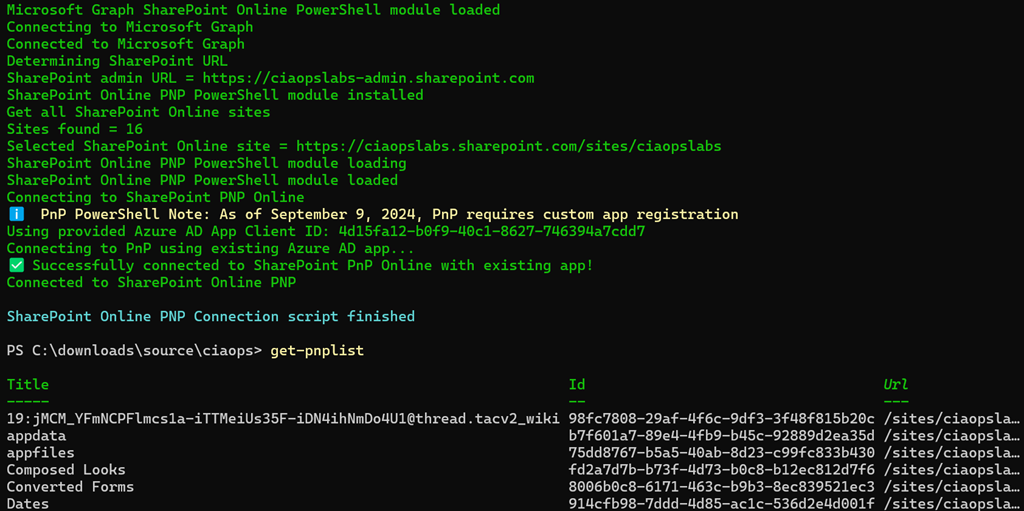
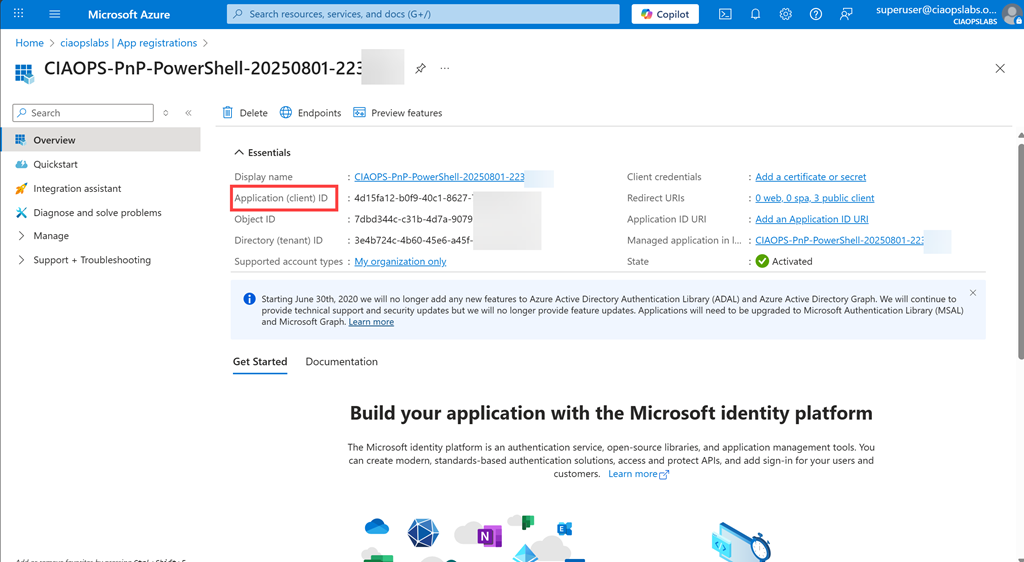





 CIAOPS